
Green Corner
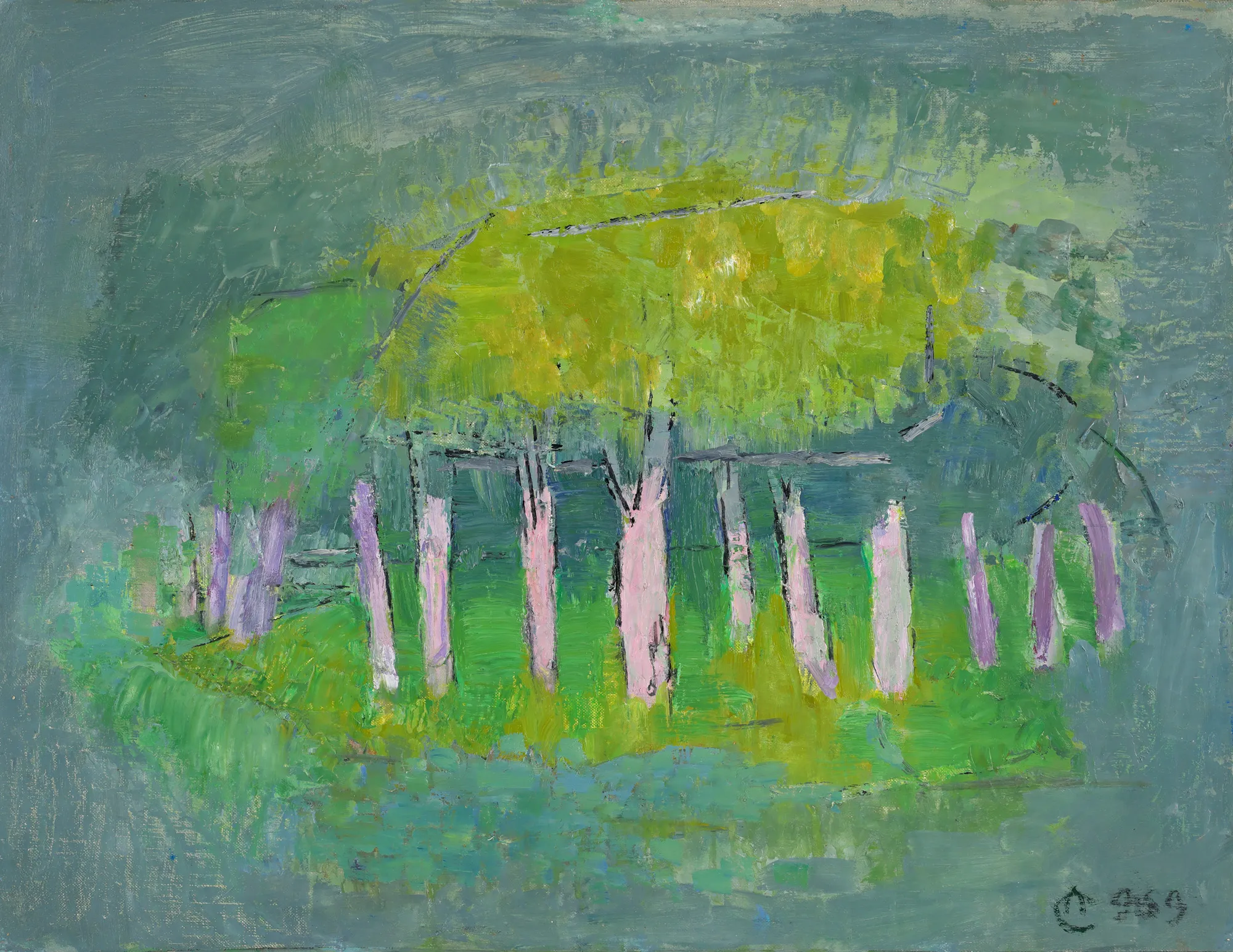
Green Corner
Description
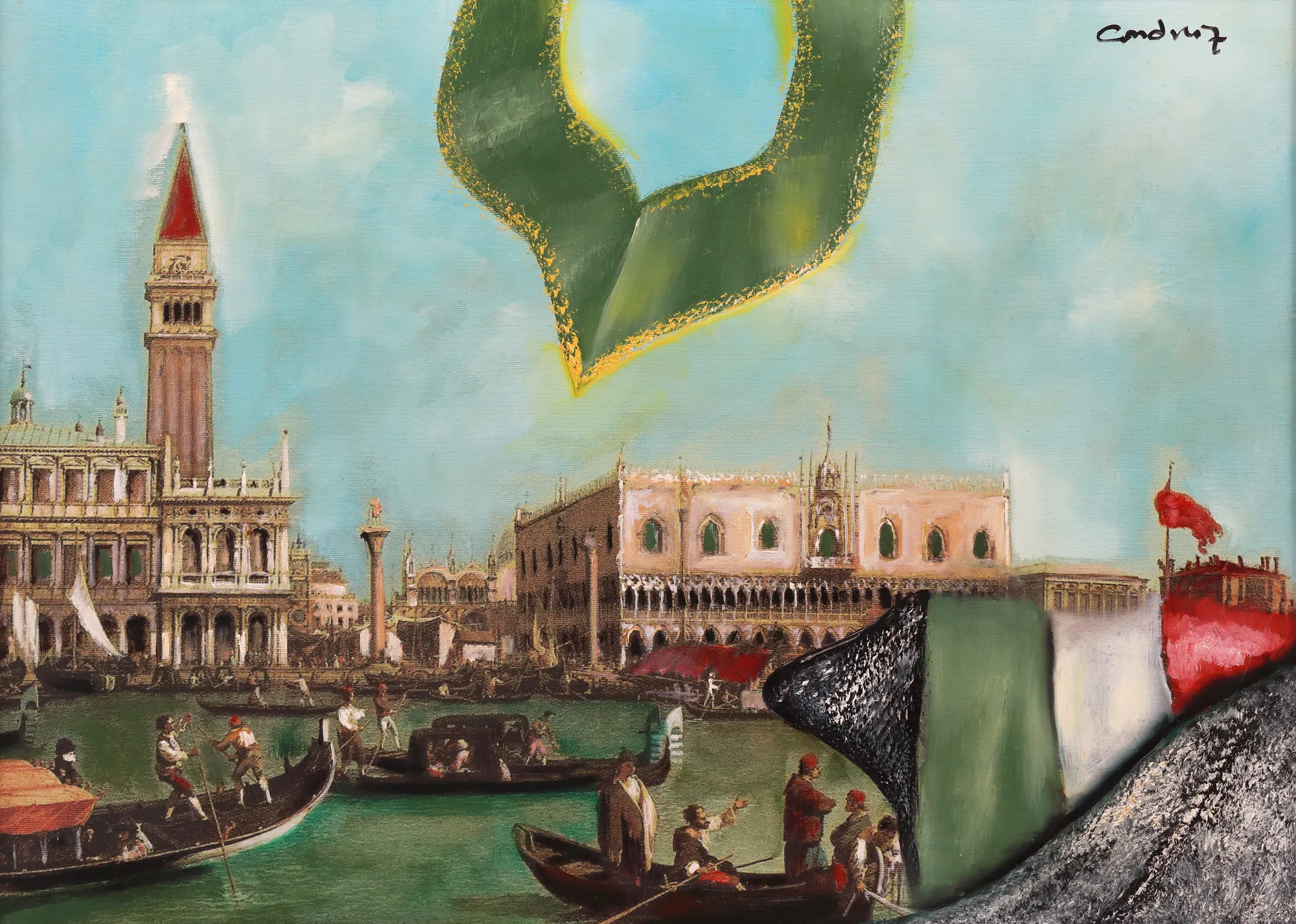
Alexandru Ciucurencu's mature work is renowned for its vibrant, exuberant chromatics, marking a sharp contrast to his earlier works influenced by the brown nuances promoted by his professor, G.D. Mirea. During the summers spent in Baia Mare, Ciucurencu was surprised by the expressive palette of the Maramureș painters and was astounded by their chromatic juxtapositions. In 1930, the artist leaves his native lands behind and sets off for Paris. The fervor of one of the most esteemed European artistic capitals of the last century unequivocally broadens his imaginative horizon and offers him new possibilities for artistic expression. In the French capital, Ciucurencu discovers Hieronymus Bosch, Boticelli, Matisse, Picasso, Braque, or Cézanne. Besides the encounter of the Romanian painter with universal art, his contact with Paris mediates a much more significant pictorial refinement. His works always start from reality, no matter how they end up being executed. From Cézanne's cubism, he borrows in much decreased quantities, and from Matisse, he will take on the valorisation of the line and color in his own work. His drawing abilities are particularly revealed through the contours by which the artist defines his subjects. Ciucurencu masters the art of aligning lines and harmonizing colors. Often presented as a "colorist", the artist considers himself a continuator of painters who also had a special concern for color: Luchian, Ressu, Lhote, or Pallady.
Biography
IONESCU, Radu, "Ciucurencu," Semne Publishing, Bucharest, 1994. OPRESCU, George, "Alexandru Ciucurencu," Meridiane Publishing, Bucharest, 1962.
Sizing
Width 63, Height 48
Signature
signed and dated bottom right, in black, "AC, (1)969"
Dating
1969
Medium
oil on canvas
Location
Artmark românia
Research information
The work is reproduced in the monograph "Ciucurencu", Mircea Deac, Meridiane Publishing House, Bucharest, 1978, cat. 73. The work is reproduced in the monograph "Alexandru Ciucurencu", Vasile Florea, Arc 2000 Publishing House, Bucharest, 1995.