The photos of the lot are informative and indicative, and cannot provide a highly detailed view of the object from all angles. We recommend a careful physical inspection of the lot before bidding.
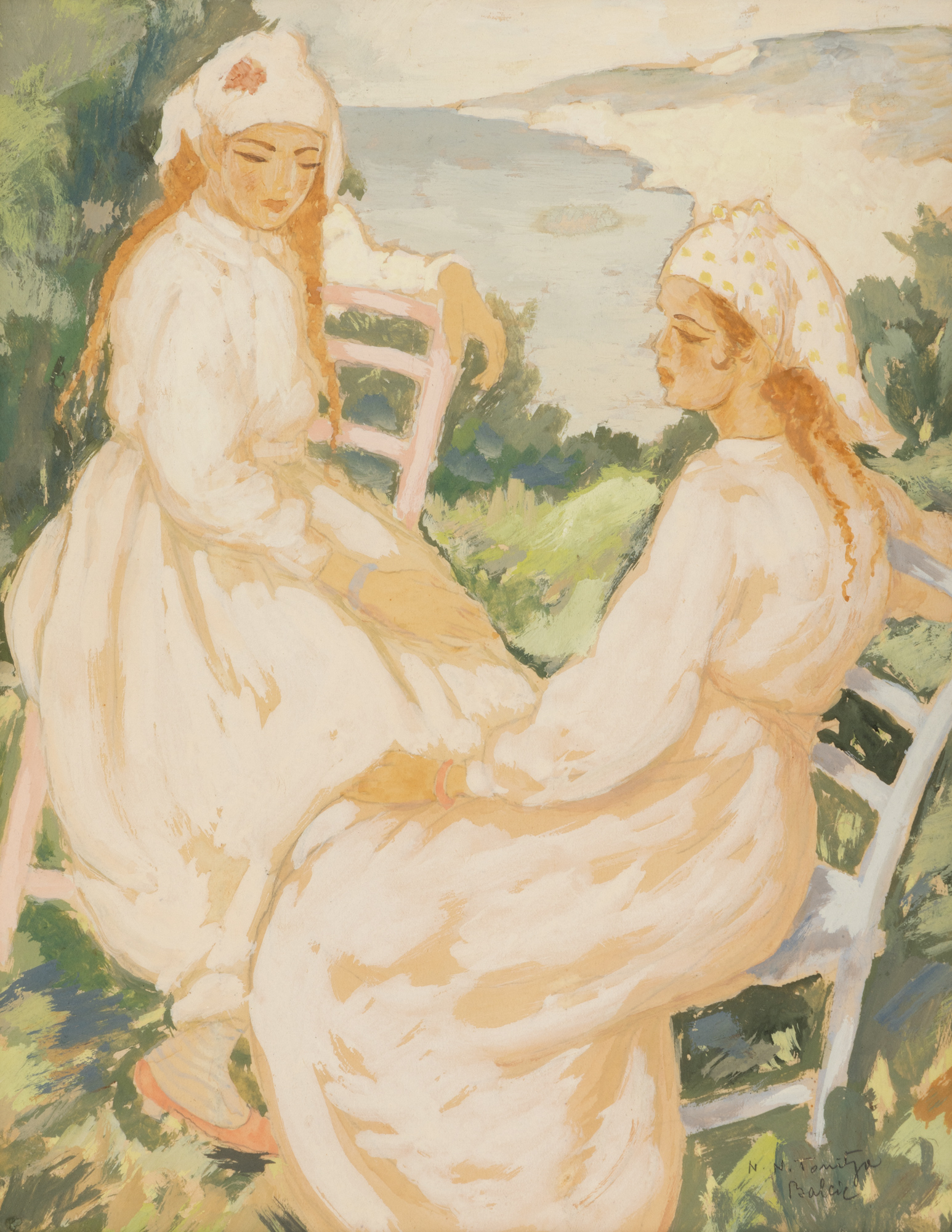
gouache on thin cardboard, 39.5 x 31 cm, signed and located bottom right, in black, "N.N. Tonitza, Balchik"
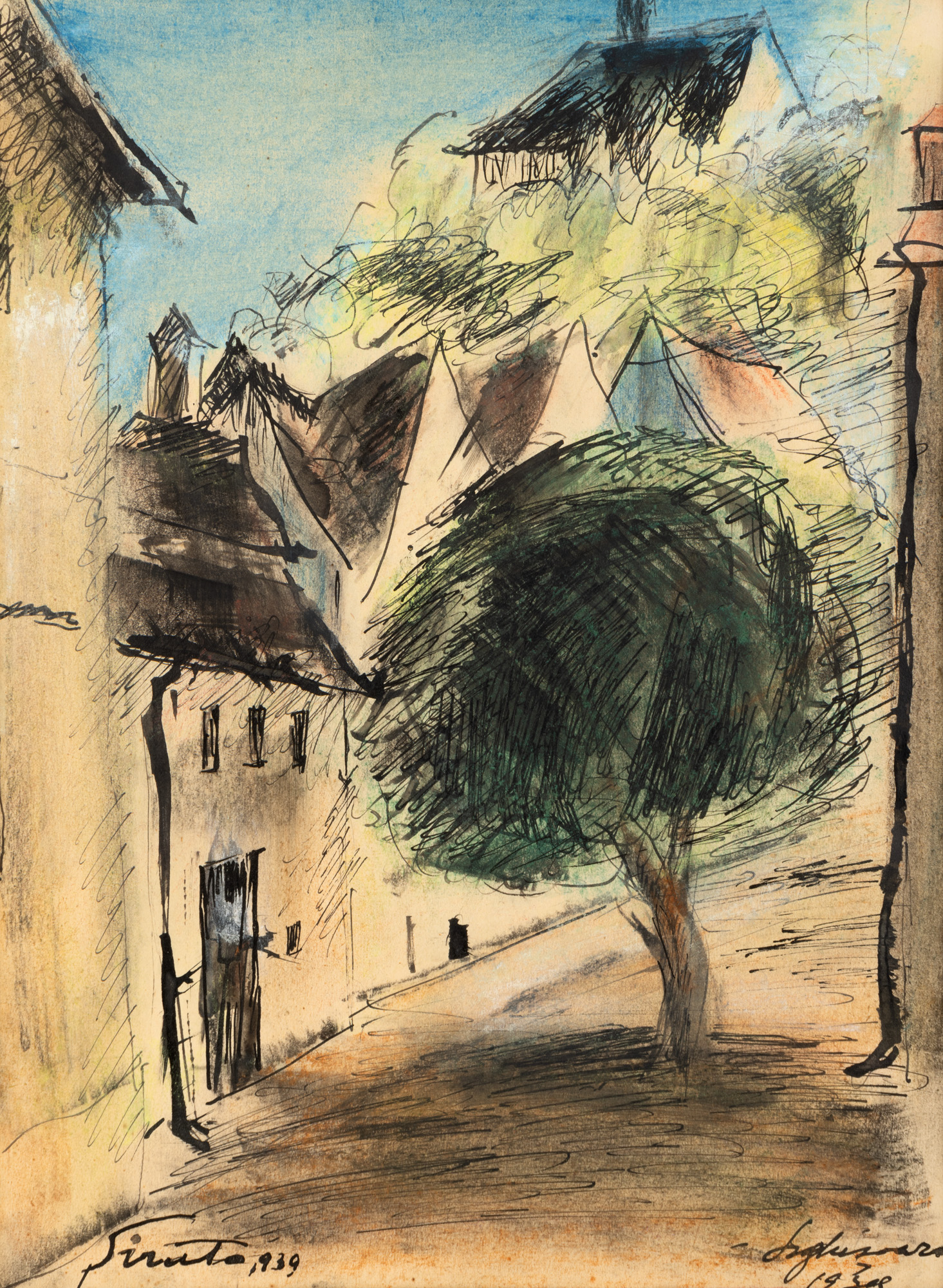
Between the years 1933 and 1934, he began to focus on creating female portraits, particularly of Tatar women, when he began to travel to Balchik and Dobrogea together with Francisc Șirato, where he created a series of works inspired by the Black Sea area.
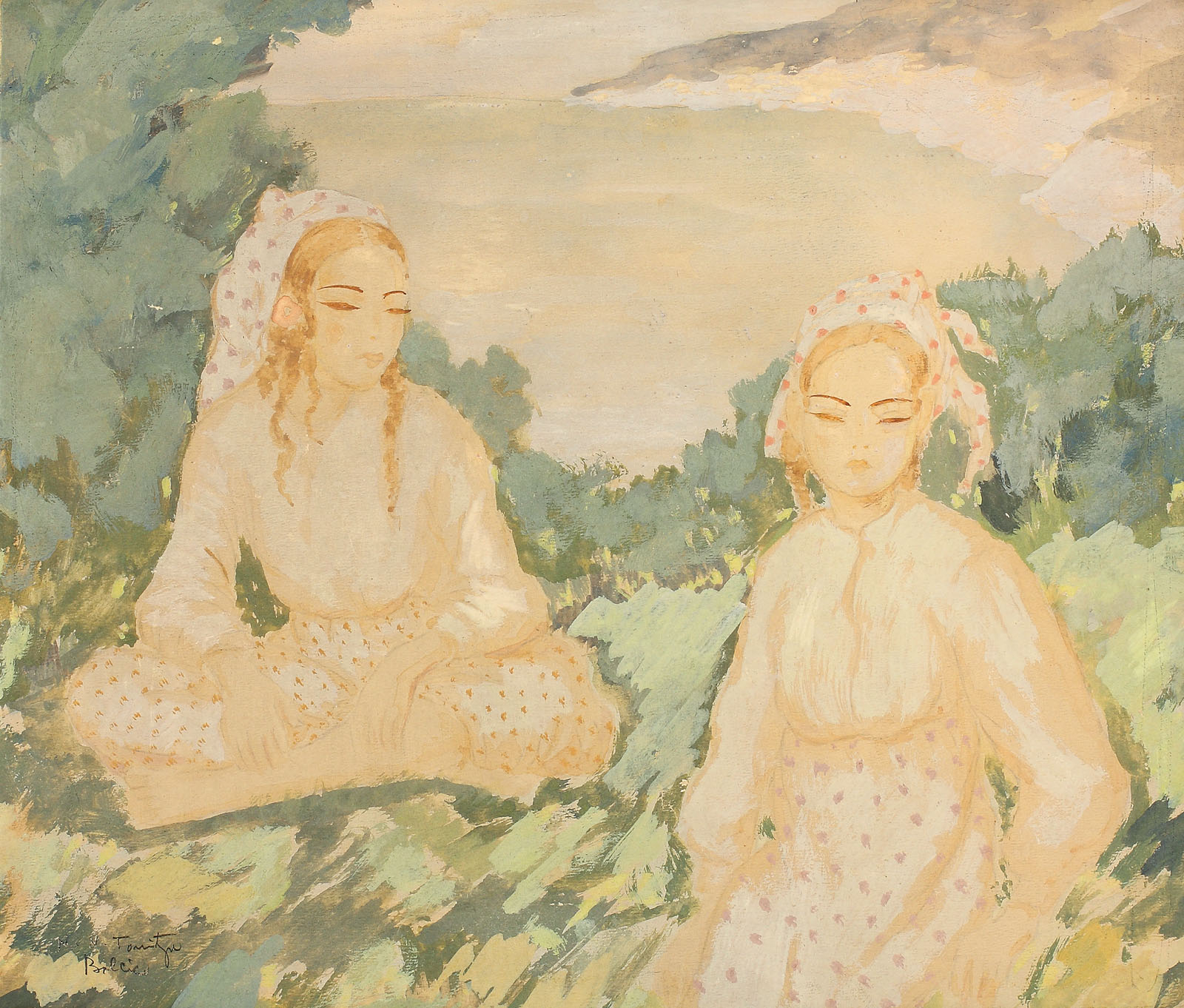
In addition to the beautiful landscapes that he captured, there he also encountered the beautiful Tatar women that he would showcase in his painting, where he was fascinated by their faces, sometimes depicted in profile, other times in semi-profile, covered by turbans, scarves and their specific attire, such as: "Tatar Woman Overlooking the Sea (1934)", "Head of a Tatar Woman", "Tatar Woman (1938)" or "Tatar Women of Balchik (1940)".
Captured in pencil lines, ink and watercolor, in gouache or oil, the charming Tatar women of Tonitza are testimony to the place where his art will come to know new chromatics, new lights and new experiences, starting from the summer of 1933, when he will arrive for the first time on the bright shores of Balchik.
Here he will also encounter the beloved Tatar women that he will begin to capture on the cliffs or in the Tatar neighborhood, bearing names like: "Abibé", "Cadié", "Demirnà", "Rachiş Ali" or "Hamidé". The artist often paints them, being fascinated by their faces, sometimes portrayed in profile, other times in semi-profile, covered by turbans, scarves or clothing. Sometimes he captured them in the landscape, placing them in idyllic picturesque spaces. The cliff, the interiors, the porch or the garden, will be the places where we will most often find them depicted.
The feminine silhouette, drawn or painted, will always be captured by the artist with elegance, being attentive to details, to the brightness of color and to the ambiance of the oriental landscape. Often encountered on the porch, sitting, with a thoughtful or melancholic gaze, Tonitza's Tatar women will represent true ideals of pictorial beauty.
As for the present representation, which we can also attribute to the years spent in Balchik, it depicts two models who are portrayed frontally, sitting on two white high-back chairs, decorated with horizontal lines.
Captured in the midst of nature, the Tatar women allow the sea water and the raw green of the landscape to show behind them. The scene creates a unique, calm and austere Dobrogean landscape, which is a synthetic vision of Dobrogean reality.
The delicate features of the Tatar women's faces are portrayed frontally and briefly represented. Their attire is handled entirely in shades of white, yellow with accents of orange, which is made up of a long, wide dress, with ample and puffy sleeves, that covers the arm down to the wrist, while white scarves can be seen on their heads.
Tonitza uses several brightly colored accents and sometimes assigns to his little characters various accessories such as: a colored bow, a patterned ribbon or a kerchief that directly refers to the years spent in the Dobrogea area and Balchik. The bright chromatic range, warm, gives the characters an air of fragility, calm and grace. The contrast between the finesse of the clothing colors and the background made up of saturated tones of green and blue creates a subtle harmony, amplifying the impression of an intimate, protected space, where light seems to support the entire scene in a gentle atmosphere.
The features of the young women are carefully constructed, especially in outlining their physiognomy, where compared with Tonitza's other works in which he portrayed children with small black almond-like eyes, such as "Child Portrait", "Forest Girl" or "Dutch Girl," in this case, the characters are depicted frontally, with their eyes closed, the eyelids slightly dropped in a state of dreaming, of melancholy, with a prominent nose and well outlined chin.
The portrayed Tatar women wear white headscarves with yellow accents, specific to the Tatar women from the Balchik area, which cover their foreheads and which are tied in the back.
Another element introduced by Tonitza in his works and also visible in this case is the brown or brick-red, reddish color of the Tatar women's hair that emerges from under their tightly bound scarves. The atmosphere of the place, the light, the hues, the clothes, the ornaments, the interiors, all will contribute to the description of the wonderful picturesque settlement.
For clarifications regarding the bidding procedure, hammer price costs, guarantee, payment, and collection terms for the winning lot, we recommend carefully reading/re-reading the Bidding Regulations.
For additional information regarding the lot and the auction, please contact the Art Consultants Department.