

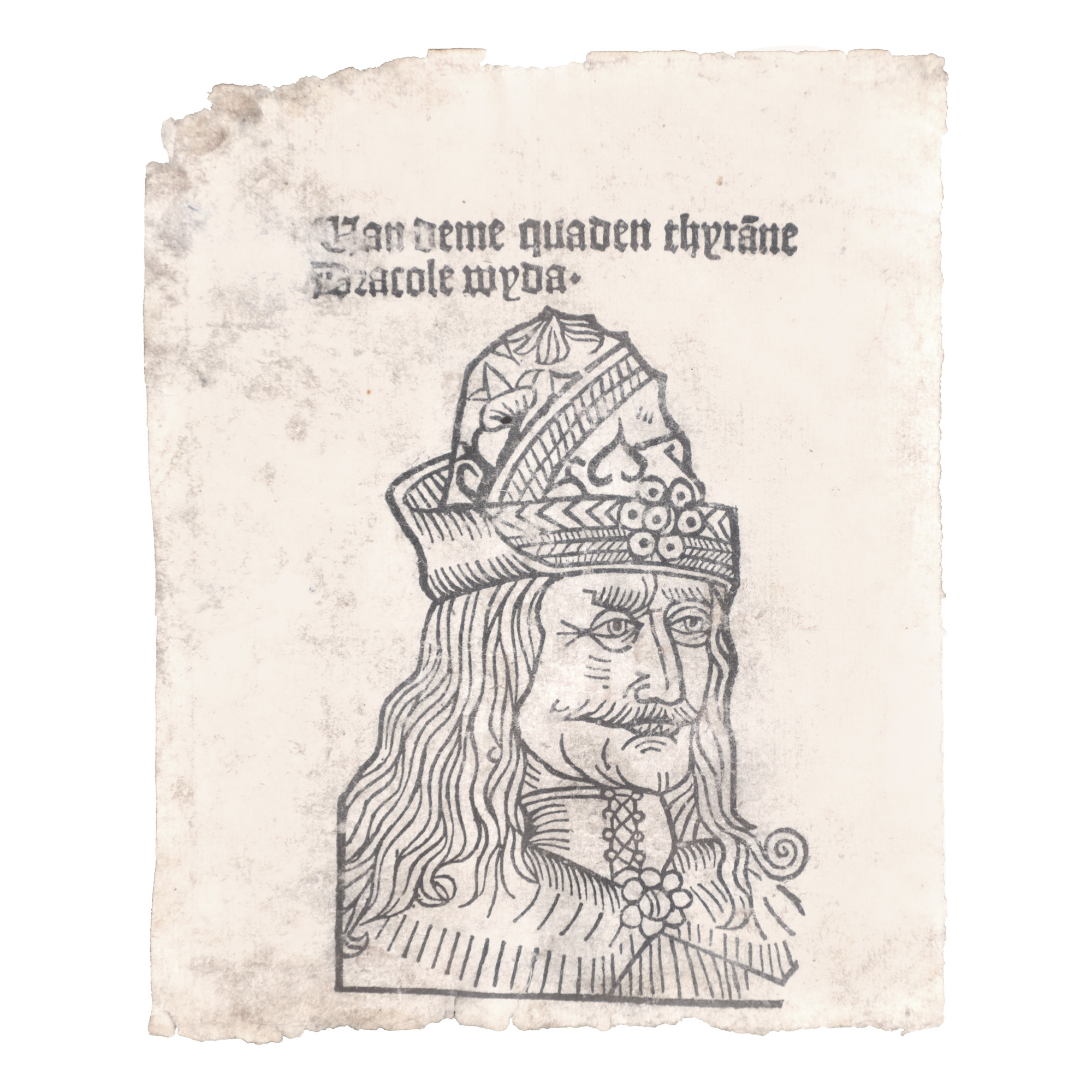
53Т. Engraving in an early printed book "Vlad Țepeș, zis și Vlad Dracul (Uan Deme Quaden Thyrane Dracole Wyda)" ("Vlad Țepeș, also known as Vlad Dracula"), by Bartholomaeus Gothan, Lübeck, 1488-1493, the only known copy officially known in Romania, collectible museum piece
The photos of the lot are informative and indicative, and cannot provide a highly detailed view of the object from all angles. We recommend a careful physical inspection of the lot before bidding.
53Т. Engraving in an early printed book "Vlad Țepeș, zis și Vlad Dracul (Uan Deme Quaden Thyrane Dracole Wyda)" ("Vlad Țepeș, also known as Vlad Dracula"), by Bartholomaeus Gothan, Lübeck, 1488-1493, the only known copy officially known in Romania, collectible museum piece
Starting price:
EUR 3.000
Sold
EUR 5.000
wood engraving, laid paper with filigree, 18 x 14 cm
Wood engraving of the historical figure of Vlad Țepeș, printed on a sheet of paper from the early printed book representing the title page of the princeps edition, the Lübeck incunabulum, 1488-1493. On the recto sheet, above the engraving, a so-called column title is maintained: "Uan Deme Quaden Thyrane Dracole Wyda". Under this title, the title page of Bartholomaeus Gothan’s edition is represented. The Lübeck incunabulum, from 1488-1493, is the first one in its edition, containing 12 pages regarding the stories on Vlad Țepeș. The engraving representing Voivode Vlad Țepeș is accompanied by a text printed in dialect from North-Western Germany, named Plattdeutsch, which is very close to Dutch. The use of this dialect proves that this engraving had a geographically limited circulation, it most likely did not circulate in Transylvania, where the South German dialect was used, namely Niederdeutsch. On the high-quality sheet of paper, one can notice, using modern laboratory technology, a filigree illustrating the coat of arms of the town Ranvensburg in Germany. In fact, the filigree illustrates the main gate of the town of Ranvensburg, where two reinforced towers are predominant, placed in a broken shield. It was well circulated in the German and Western space in the 14th-15th centuries. This type of filigree is noted by philologist Alexandru Mareș among the filigrees which circulated in the Romanian Countries in the 16th century, being inappropriately named citadel wall. In general, the German editions of the stories on Dracula contained numerous reproductions accompanied by small suggestive stories, printed and coloured by hand. They were sold in important fairs from Germany and Europe, for the purpose of deliberately promoting a contorted image on the so-called atrocities caused by the Wallachian voivode to the Saxons in Transylvania. The title refers to the legends woven around him, a monstrous defamation. The editions of some incunabula reproduced such sheets serially, containing engravings with stories that could be understood by common people. The most well-known reproduced historical figures from the following editions: Bamberg, 1491, 1494, 1499, Lübeck, 1488-1493 and Hamburg, 1502, Nürnberg, 1488, Strassbourg, 1500, Augsburg 1520.
For clarifications regarding the bidding procedure, hammer price costs, guarantee, payment, and collection terms for the winning lot, we recommend carefully reading/re-reading the Bidding Regulations.
For additional information regarding the lot and the auction, please contact the Art Consultants Department.
SESSION
Similar lots
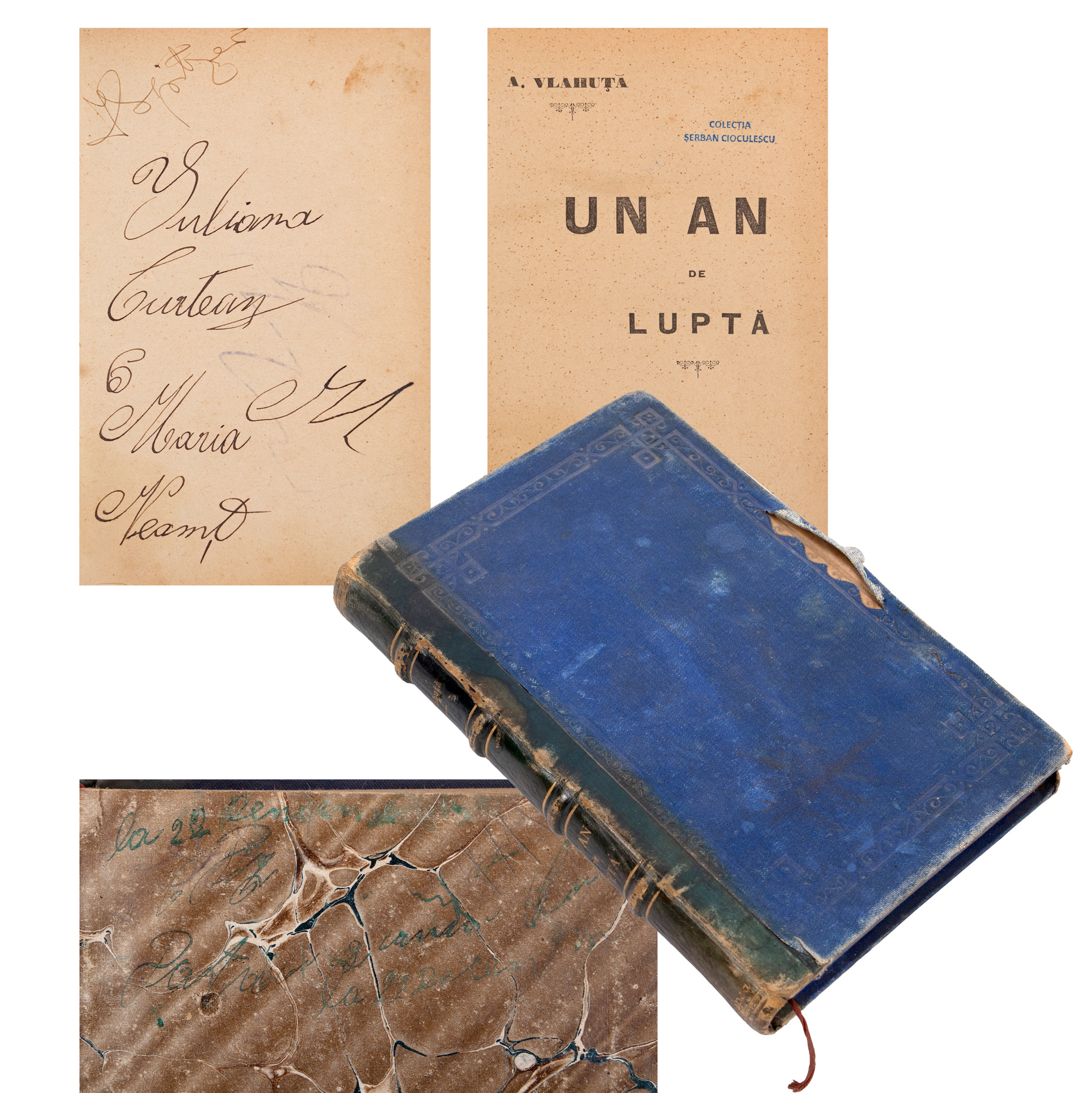

102. Complex set of documents belonging to the painter Camil Ressu and the architect Ion Camil Ressu, son of the painter Camil Ressu
Starting price:
EUR 150
Sold
EUR 150
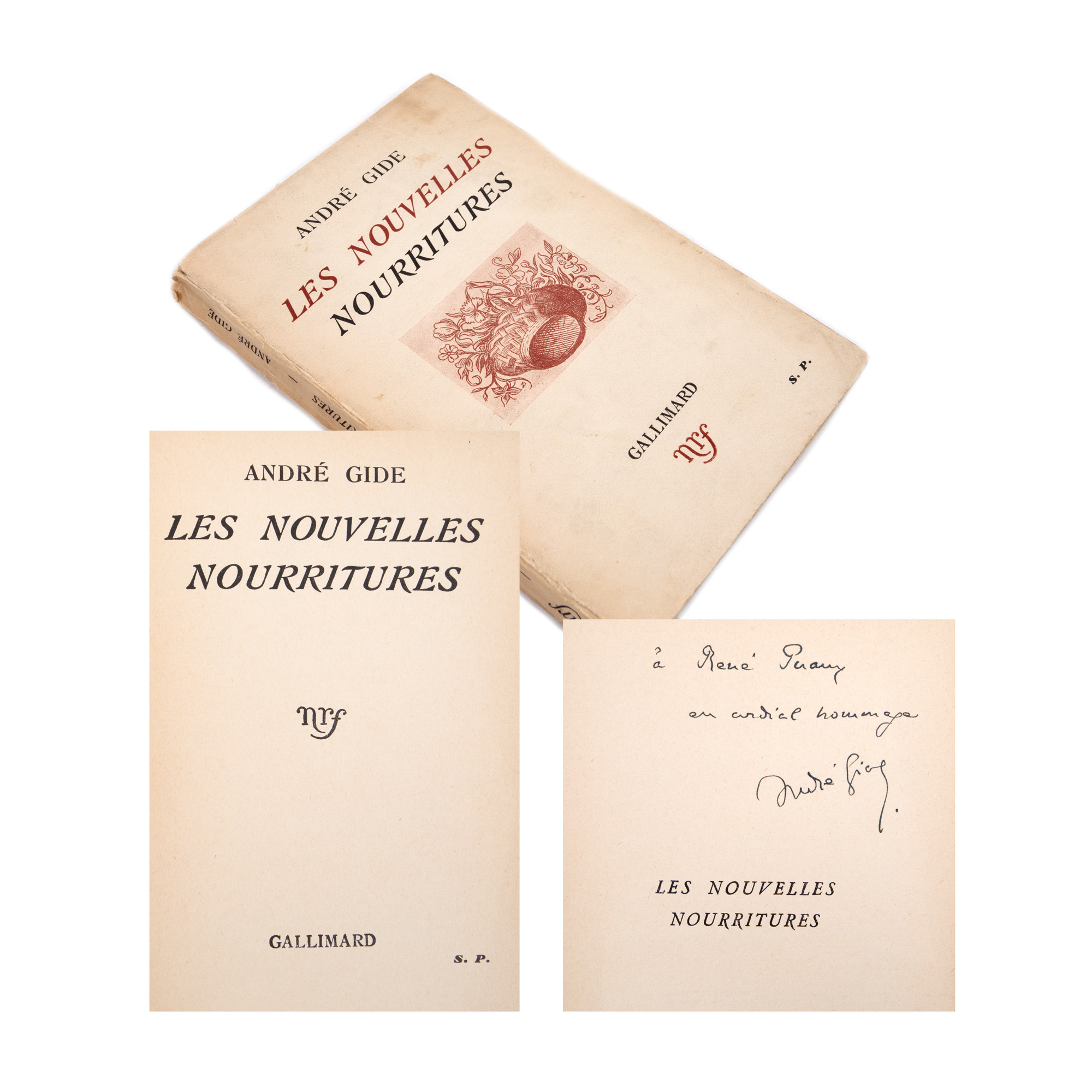
4. "Les nouvelles nourritures", by André Gide, in French, Paris, 1935, with the author’s dedication
Starting price:
EUR 50
Sold
EUR 175