
Meniu

English
Gifts

Rare Books, Documents, Photography & Posters

Collectible Religious Art

Asian Art, Technical Objects, Taxidermy, Curiosities & Antiques

Jewelry & Watches

Numismatics, Medals, Maps, Arms & Decorations

Luxury, Elegance, Collectible Cars & Beverages

Collectible Folk Art

Sneakers & Toys


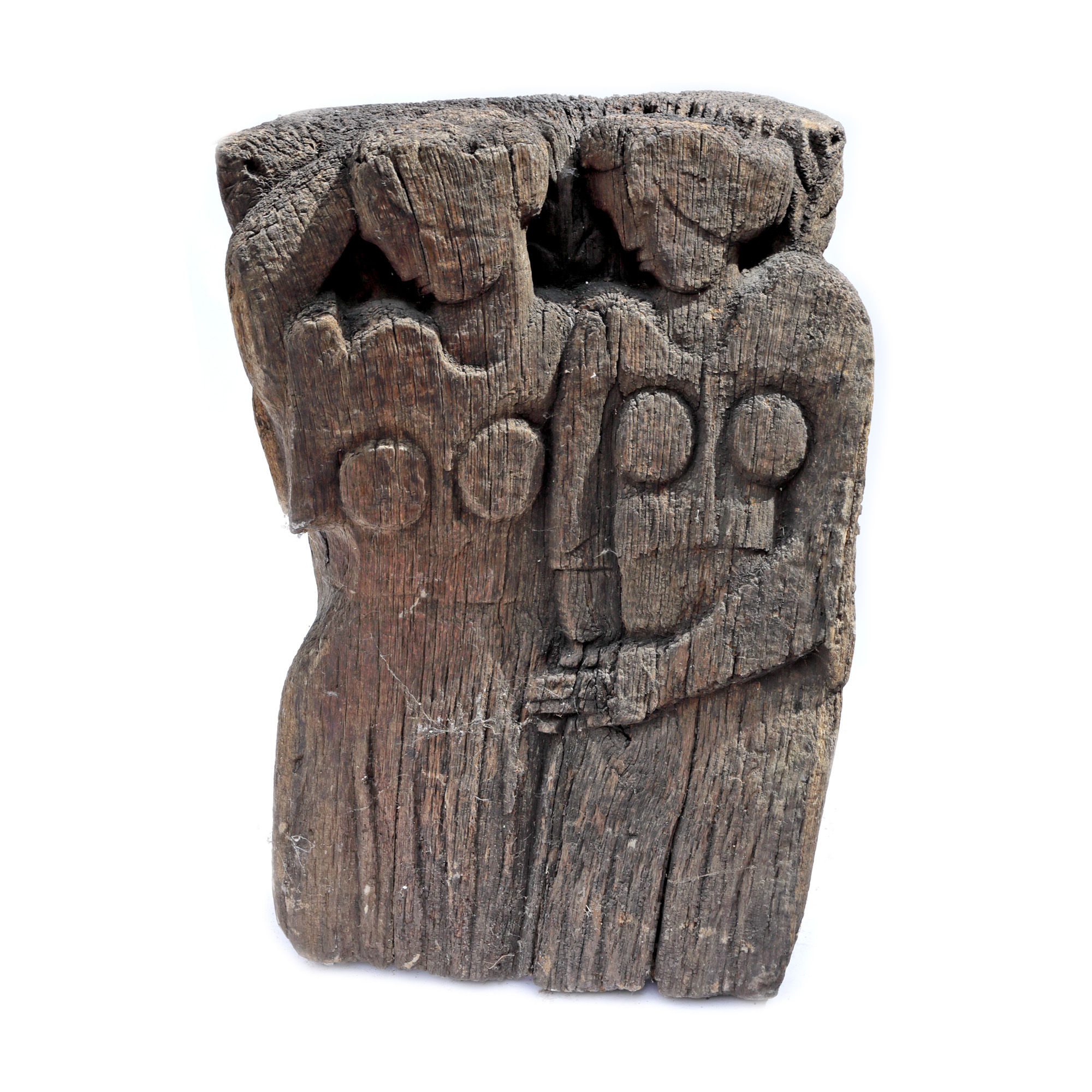
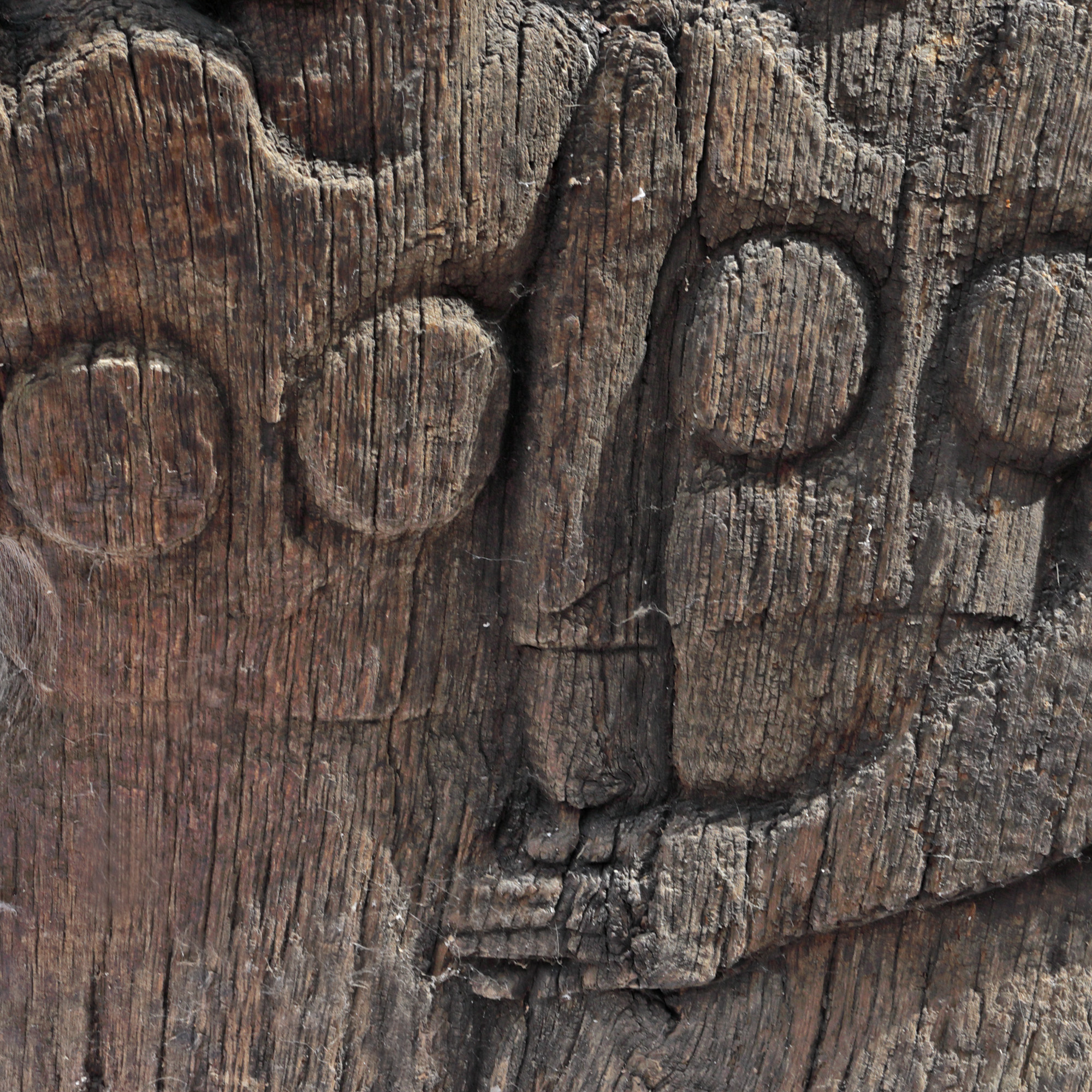
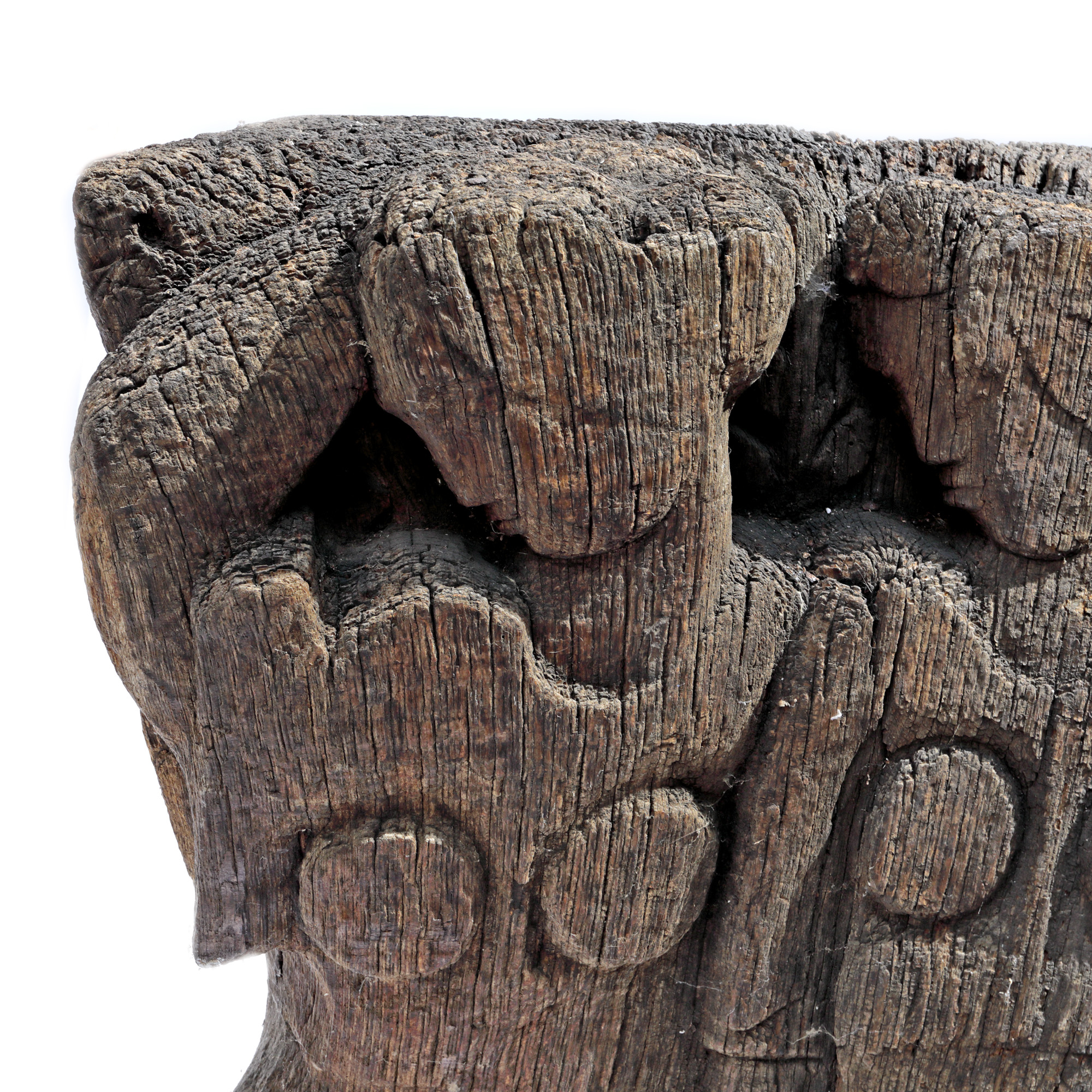
103. Peasant Women

The photos of the lot are informative and indicative, and cannot provide a highly detailed view of the object from all angles. We recommend a careful physical inspection of the lot before bidding.

103. Peasant Women

1934, Stănişeşti, Bacău - 1986, Paris

Estimate:
EUR 2.500 - 3.500
Sold
EUR 2.750

References

BARBOSA, Octavian, "Dicționarul Artiștilor Contemporani" ("Dictionary of Contemporary Artists"), Meridiane Publishing House, Bucharest, 1976. DEAC, Mircea, "Lexicon critic și documentar" ("Critical and Documentary Lexicon"), Medro Publishing House, Bucharest, 2008. "Dicționarul Sculptorilor din România. Secolele XIX-XX" ("Dictionary of Romanian Sculptors. 19th-20th centuries"), vol. I, letrs. A-G, Romanian Academy Publishing House, Bucharest, 2011.

wood, 87 x 61 x 27 cm

With advanced studies in Bucharest under the guidance of Ion Lucian Murnu, Constantin Baraschi and Boris Caragea, George Apostu will settle in Paris, in 1983, where he was given a creative studio. As a disciple of Brâncuși, he shows a fine spirit of observation and devotes a lot of time to analysing the technique and working methods of his master. ​ George Apostu will prove a linear career path with well established themes from the beginning. He sculpts mainly in wood or stone and he is inspired by the traditional Romanian motifs. His appetite for archaic taste would translate into a complex incision of sacred symbols in his works. He proposes archetypes and ancestral motifs and focuses on the communion between vegetal plan and human being. George Apostu creates a world of symbols, a dreamlike universe in which the expressiveness of the rustic roadside crucifixes is transcribed in the form of human figures, thus subduing the full force of Romanian folk art. The artist perceives the sculpture as a privilege over nature. He is against constructivism and opts for a unified work, without external artifice. He proposes a series of closed, flat and homogeneous volumes. The spiritual dimension, embedded in the lyricism of his artistic language, supports the ethos of folk motifs.

For clarifications regarding the bidding procedure, hammer price costs, guarantee, payment, and collection terms for the winning lot, we recommend carefully reading/re-reading the Bidding Regulations.

For additional information regarding the lot and the auction, please contact the Art Consultants Department.

SESSION
Tue, 13 June 2023 19:00

Similar lots