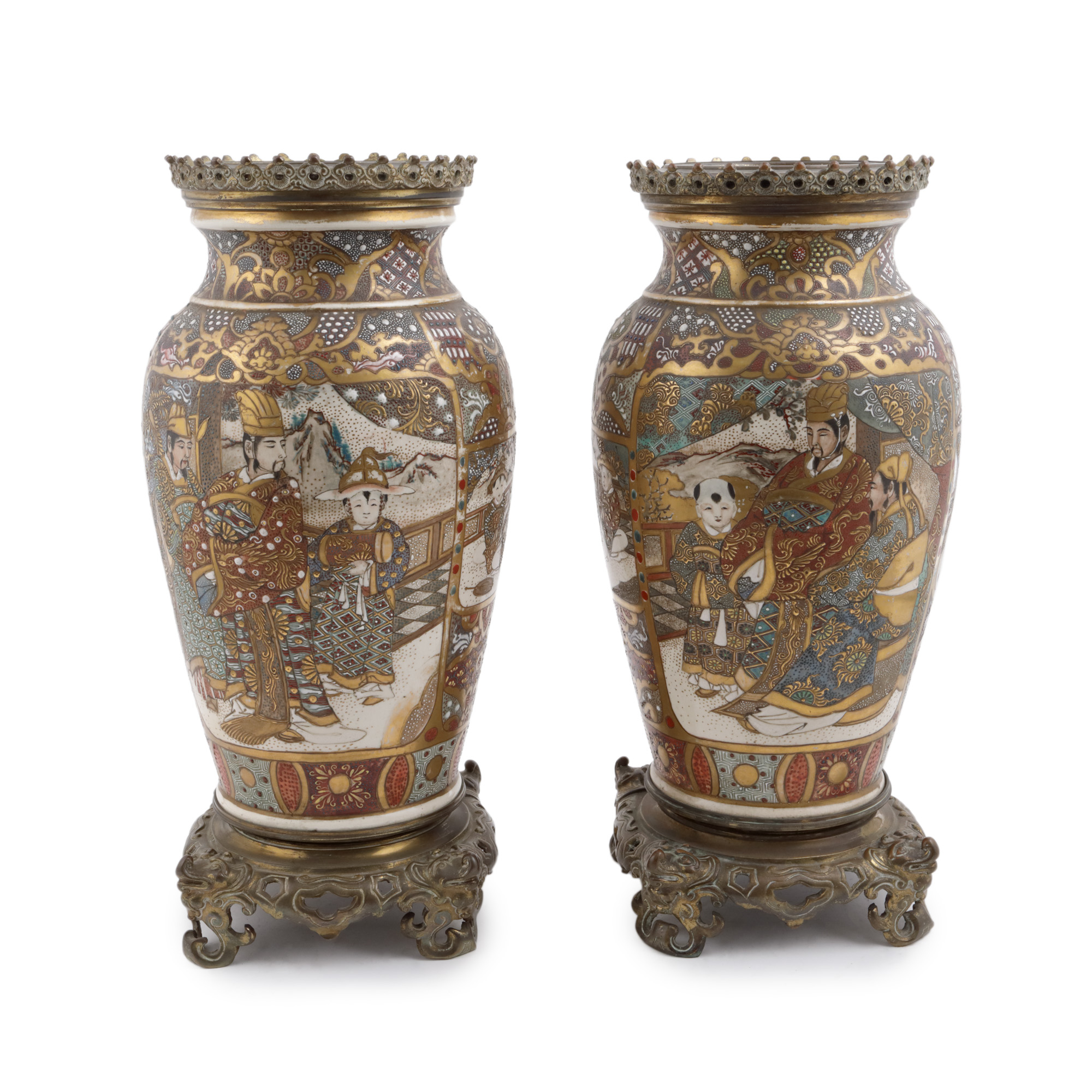
The photos of the lot are informative and indicative, and cannot provide a highly detailed view of the object from all angles. We recommend a careful physical inspection of the lot before bidding.
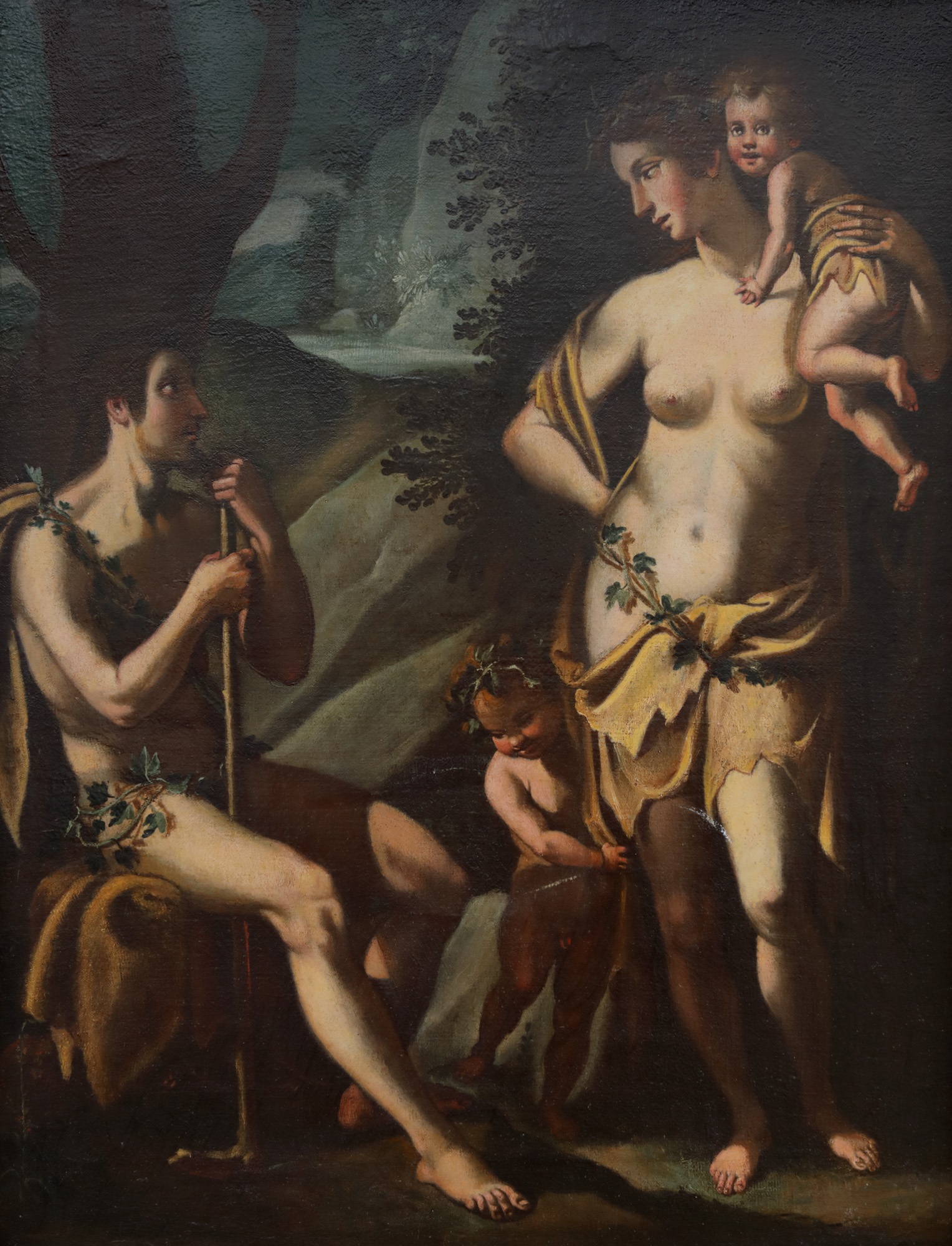
From the Florentine school of the XVI century, particularly from the sacred subjects in works signed by Fra Bartolomeo or Bacchiacca; to Titian, Peter Paul Rubens or William Blake, and even to Shakespeare, who explores the relationship between Cain and Abel through Hamlet and Claudius, or Lord Byron who redramatizes the story of the first sons in his aptly named play ”Cain” (through which he explores the sanguine personality of Cain and the (pseudo)sanctity of Abel), or modern authors like Neil Gaiman, the story of the first family, the one expelled from paradise, has been reiterated in art. The Italian renaissance representative painter, Bacchiacca, also known as Francesco d’Ubertino Verdi or Francesco Ubertini, remains a veritable source of inspiration for Jacopo da Empoli (or Jacopo Chimenti), particularly due to his painting ”Eva with Cain and Abel”, showcased in the Philadelphia Museum of Art. This piece dates from around the year 1520, a period of acknowledgment for the Italian painting. It is said that the way Eve is portrayed here – slender, standing; with her right arm placed in her hip and left knee slightly bent; her gaze directed diagonally, somewhere towards the lower part of the work, was taken from Pietro Perugino’s work, ”Apollo and Marsyas” (shown in the Louvre Museum, in Paris). Jacopo da Empoli will spend his entire life in his hometown, Florence, where he will be inspired by the renaissance painting style. He will confront the works of his predecessors and will develop his own technique, starting from the lessons of the great masters. We will see that the motif appears in the works of other artists, such as Fra Bartolomeo (Bartolomeo di Paolo/Baccio della Porta), who, although he starts from the compositions of his predecessors, proposes a different unfolding, placing Eva on the left side of the canvas, and Adam on the right. Adam will continue to be portrayed sitting down, while Eve stands, with one of their sons in her arms and the other tightly holding onto her garments. Therefore, we're not only dealing with the image of the primal couple but also with the firstborns: Cain and Abel, whose story will, however, be a tragic one. In the current work, we find an interpretation of the piece created by Jacopo da Empoli, maintaining the renaissance working style and the sober color palette. These choices will enhance the central subject of the work, and the gazes of the two protagonists, meeting in the center of the work, amplify the deep overall meanings of the piece. Therefore, the artist takes on imposing biblical characters, who have transposed throughout history in all branches of art.
For clarifications regarding the bidding procedure, hammer price costs, guarantee, payment, and collection terms for the winning lot, we recommend carefully reading/re-reading the Bidding Regulations.
For additional information regarding the lot and the auction, please contact the Art Consultants Department.
By choosing "Accept all cookies" you agree to the use of cookies to help us provide you with a better user experience and to analyse website usage. By clicking "Adjust your preferences" you can choose which cookies to allow. Only the essential cookies are necessary for the proper functioning of our website and cannot be refused
Cookie settings
Our website stores four types of cookies. At any time you can choose which cookies you accept and which you refuse. You can read more about what cookies are and what types of cookies we store in our Confidentiality Policy.
are necessary for technical reasons. Without them, this website may not function properly.
are necessary for specific functionality on the website. Without them, some features may be disabled.
allow us to analyse website use and to improve the visitor's experience.
allow us to personalise your experience and to send you relevant content and offers, on this website and other websites.