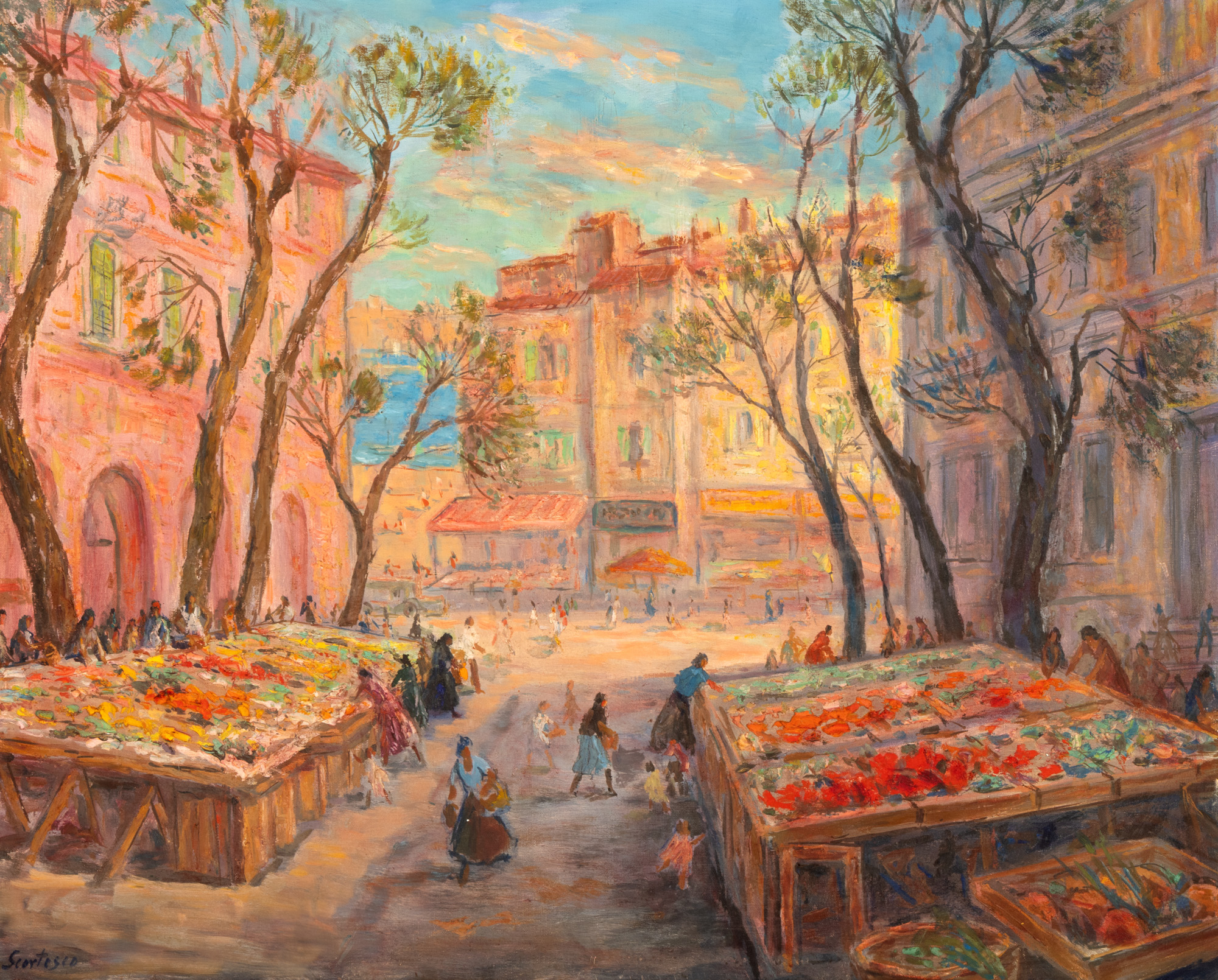
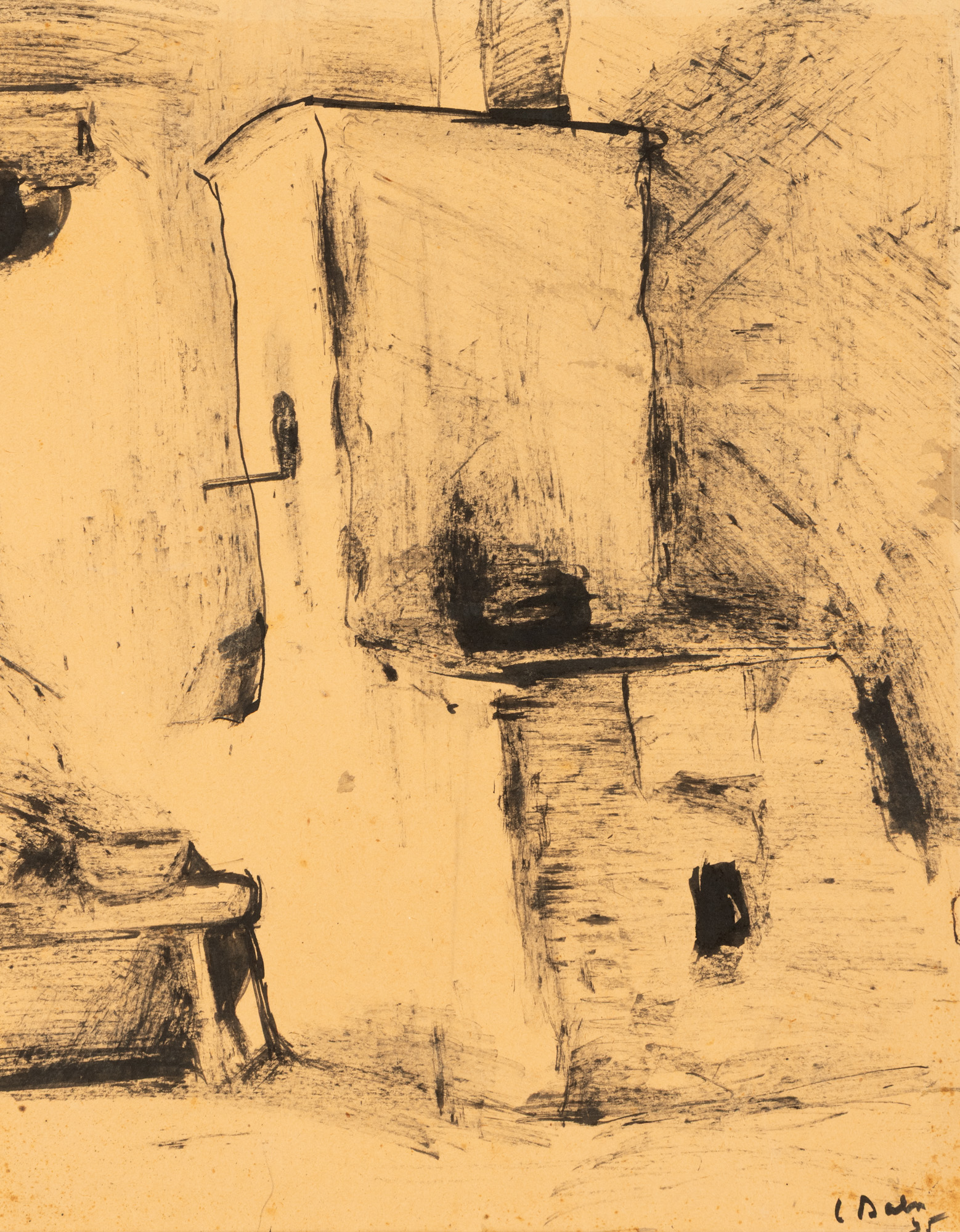
The photos of the lot are informative and indicative, and cannot provide a highly detailed view of the object from all angles. We recommend a careful physical inspection of the lot before bidding.
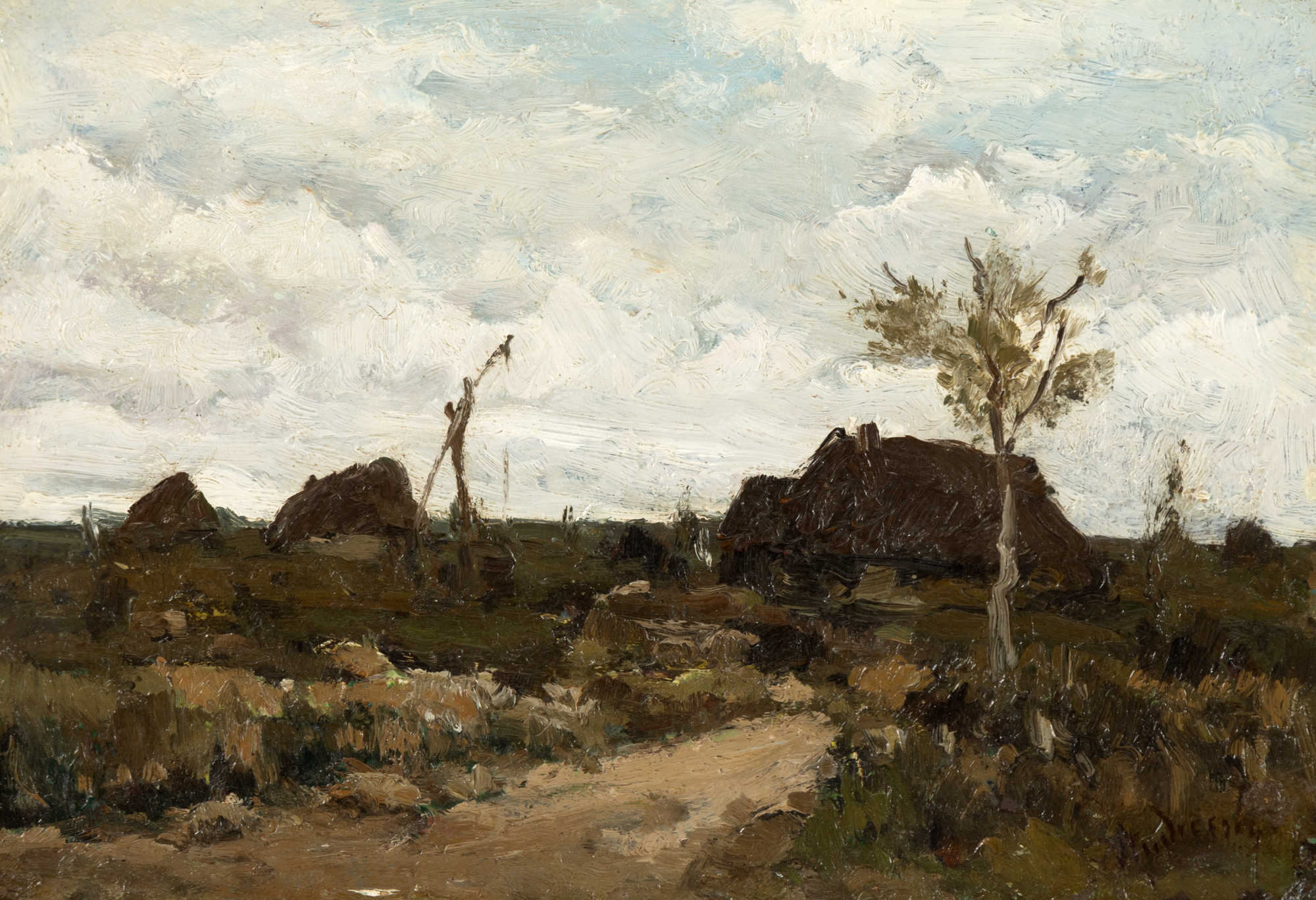
oil on cardboard, 14.5 x 21 cm, signed bottom right, in brown, "Andreescu"
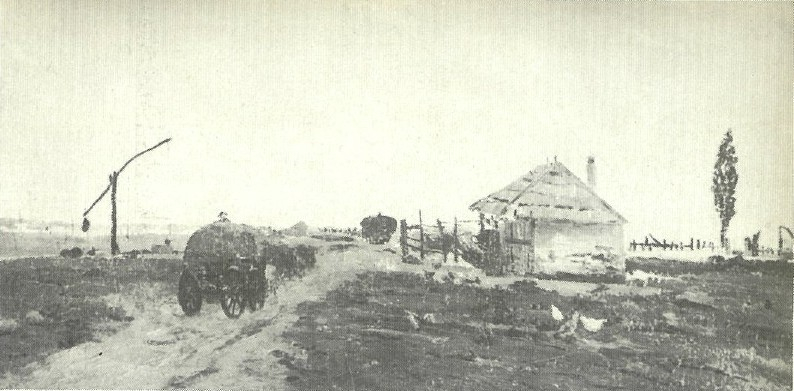
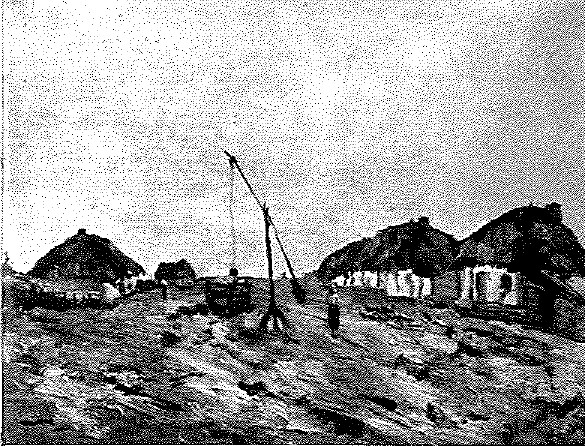
With a realistic pictorial perspective on the world, but marked by a strong and full of emotion sensitivity, Ioan Andreescu stands out with his melancholic, profound and authentic style. The artist assimilates the echoes of the painting of great masters from Barbizon, such as Grigorescu, Courbet and Corot, necessary to reach the apogee in his creation. Therefore, his stylistic trajectory bears the imprint of his contact with the French artistic world and his passion for nature. The period between the years 1872 and 1878, where we can include this work, shows the signs of time spent in Buzau area, which represents a defining stage in the formation of his artistic qualities. More than the images made in France, the landscapes of the country - marked by a rudimentary and faithful aspect - are defined by a strongly concentrated expressive force, incorporating in their structure an exact realism, devoid of aesthetic additions, formulated by the artist through complex intersections of color, form, density, light, and shadow. Andreescu pays increased attention to the landscape from the beginning of his artistic journey, although his body of works includes diverse genres of painting, including portraits or still lifes with flowers. In the modern spirit characteristic of the second half of the 19th century, Andreescu takes on a realistic conception of the world, a faithful and complex transposition of reality. Thus, he asserts himself in indigenous art as a painter of nature. Adept at capturing the atmosphere of the landscape in plein air, he transcribes, in his characteristic style, the geography of familiar views by manipulating light. The artist is interested in reconstructing color in almost orderly strokes, which give robust volumes, signaling the first aesthetic formulas of Romanian post-Impressionism. Andreescu assumes the national specificity both by choosing the theme and by the manner of interpreting it. With spontaneous techniques and sober chromatics, he brings to the viewer's attention the humble aspects of life, being attracted by the hardships of the common man's existence. Among the motives repeated in his landscapes, we recall the modest houses caught on the outskirts of the village, the well sweep, the deserted roads watched by bare trees, or the defoliated forests, which define his consecrated pictorial vision. Thus, he outlines works faithful to reality, emphasizing the power of emotion and seeking to reproduce hidden symbols. In this work, specific to the period between 1872 and 1878, the imprint of Andreescu's personal style is potentiated by dense strokes. The road leads the viewer's eyes towards the isolated house, which bears traditional signs. The indigenous particularity is also captured in the rendering of the sky and the earth, but also in the light that enhances the work. This work recalls in terms of thematic register and compositional organization two others created by the artist in the same period: "The Village Well Sweep" and "Country House". The work demonstrates the artist's inclination to construct composition using distinct techniques, in which execution itself - through carefully chosen chromatics, consistent strokes, and strong light - serves the artistic vision. Thus, his work maintains its capacity to impress the contemporary viewer.
For clarifications regarding the bidding procedure, hammer price costs, guarantee, payment, and collection terms for the winning lot, we recommend carefully reading/re-reading the Bidding Regulations.
For additional information regarding the lot and the auction, please contact the Art Consultants Department.