The photos of the lot are informative and indicative, and cannot provide a highly detailed view of the object from all angles. We recommend a careful physical inspection of the lot before bidding.
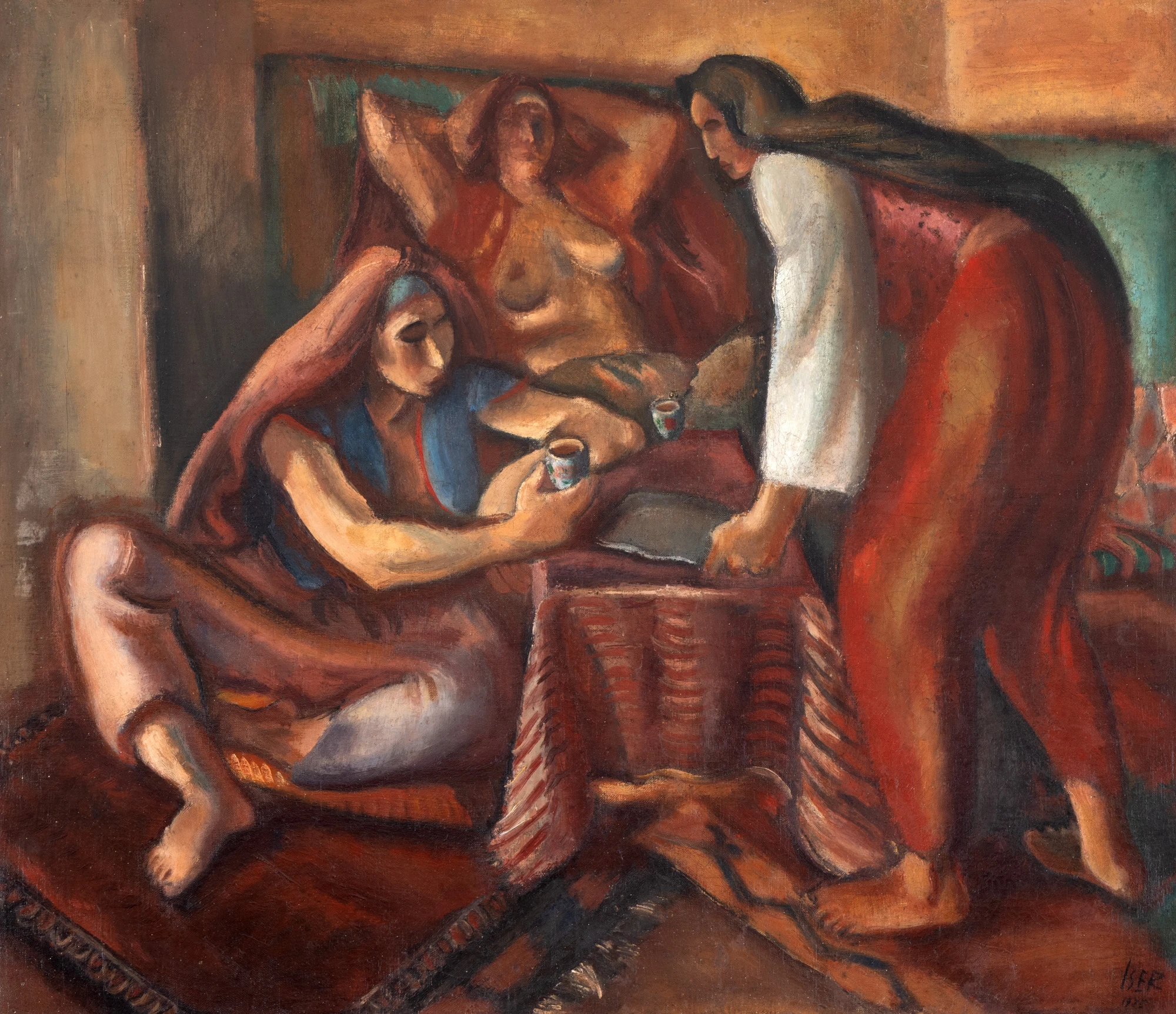
oil on canvas, 50 x 60 cm, signed and dated lower right, in black, "ISER, 1925"
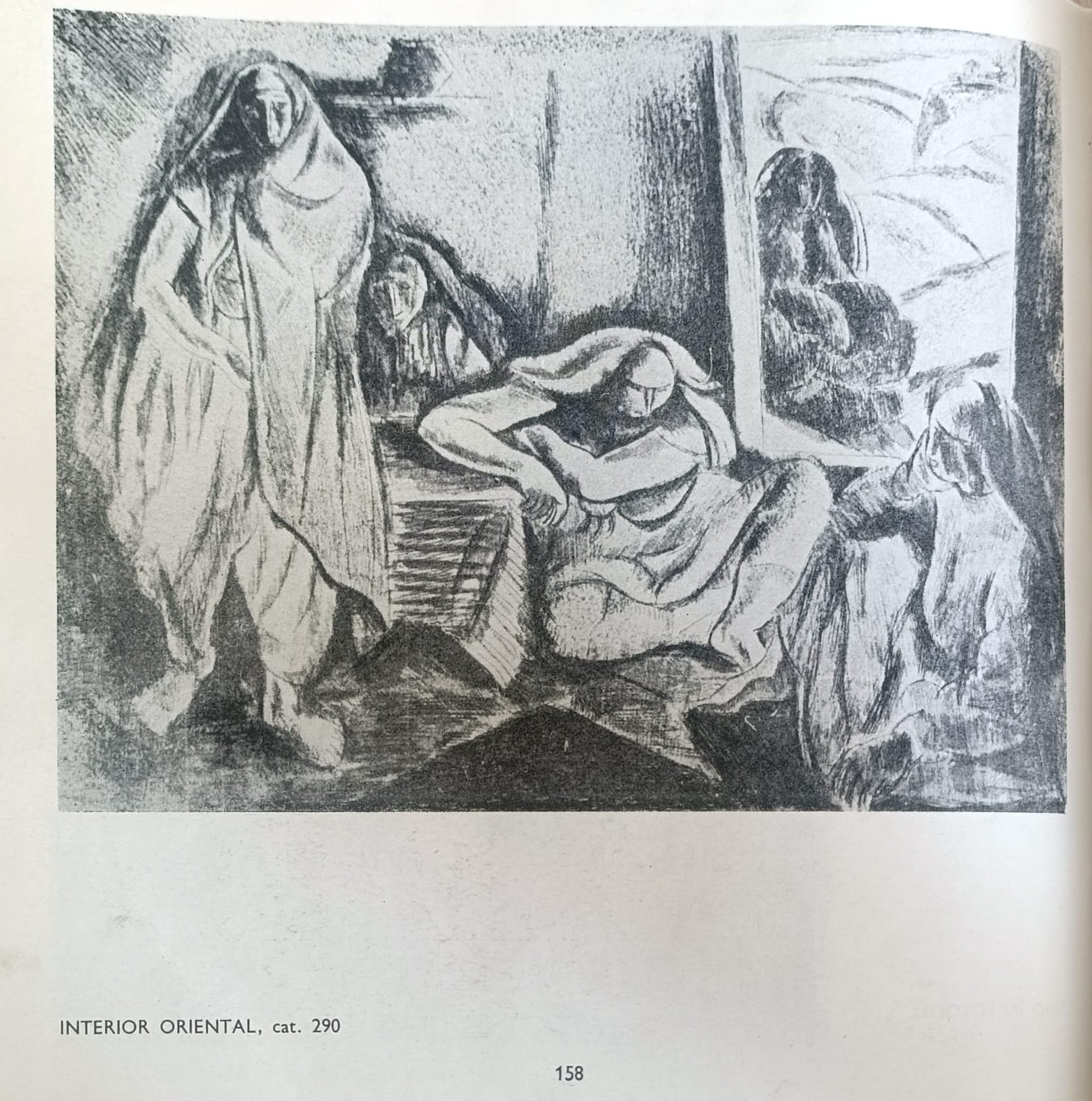
Iosif Iser often addresses the human figure, particularly the female figure, which he depicts in cycles dedicated to dancers, ballerinas, Spanish women, and odalisques. The oriental theme plays a prominent role in his work and is closely related to the artist's contact with the Dobrogea region and the Turkish world. These encounters supply him with a repertoire of motifs, characters, and visual situations that he subsequently transcends into his own pictorial language. His interest in this world developed within the context of his stays and travels in Dobrogea, where he made direct contact with Turkish and Tartar communities. He observed their dress, customs, human types, and the atmosphere unique to the region. The three odalisques are arranged in a composition that emphasizes both the relationship between the characters and the calming, intimate atmosphere of the scene. Two of the characters are participating in serving coffee, one offering the drink to the other, while the third is seated on the divan in a relaxed, contemplative posture. Their gestures are not presented as simple daily actions, but contribute to the construction of an interior scene where time seems suspended, and the viewer is introduced into an intimate space dominated by refinement and tranquility. A central element of the scene is the coffee ritual. In Ottoman culture and in the orient, coffee is not just a drink, but part of a genuine ritual of hospitality and social relationships. Coffee is offered to guests as a sign of welcome and respect and creates a setting for conversation, closeness, and socializing. In this light, the presence of coffee in the work contributes to defining the oriental atmosphere and suggesting a world where everyday gestures have ceremonial value. The two figures serving coffee thus introduce the idea of hospitality and interaction, while the figure seated on the divan emphasizes the intimate and contemplative character of the scene. By choosing this theme, Iser not only aims to represent female characters but constructs an image of the oriental universe, where costume, decor, coffee, and everyday rituals come together in a composition dominated by color and atmosphere. The artist's interest in the Dobrogea world and Turkish culture is thus reflected in a personal vision of the Orient, transformed into a recurrent visual repertoire in his work. Additionally, costumes, baggy trousers, veils, and colorful fabrics further contribute to building volumes and organizing the painted surface. The color scheme is dominated by warm tones of red, brick, and orange, which create unity between the figures, decor, and interior objects. Iser simplifies forms and uses well-defined color surfaces, transforming characters and decorative elements into compact volumes. The artist's interest is not only to portray an oriental scene but to analyze the relationship between figure, costume, volume, and color. The work can also be linked to other oriental compositions by the artist such as: "Two Odalisques" at the Bucharest Municipal Museum, "Odalisque" and "Odalisques", part of the National Museum Complex "Moldova" in Iasi, or "Nude Woman from Behind" at the Brukenthal National Museum in Sibiu. In this way, the odalisques, coffee ritual, and decorative elements become components of a composition where color and the painted surface play an essential role. Through this approach, Iser goes beyond the anecdotal character of the scene and transforms the oriental motif into a study of the female body and the expression of his own artistic language.
For clarifications regarding the bidding procedure, hammer price costs, guarantee, payment, and collection terms for the winning lot, we recommend carefully reading/re-reading the Bidding Regulations.
For additional information regarding the lot and the auction, please contact the Art Consultants Department.
By choosing "Accept all cookies" you agree to the use of cookies to help us provide you with a better user experience and to analyse website usage. By clicking "Adjust your preferences" you can choose which cookies to allow. Only the essential cookies are necessary for the proper functioning of our website and cannot be refused
Cookie settings
Our website stores four types of cookies. At any time you can choose which cookies you accept and which you refuse. You can read more about what cookies are and what types of cookies we store in our Confidentiality Policy.
are necessary for technical reasons. Without them, this website may not function properly.
are necessary for specific functionality on the website. Without them, some features may be disabled.
allow us to analyse website use and to improve the visitor's experience.
allow us to personalise your experience and to send you relevant content and offers, on this website and other websites.