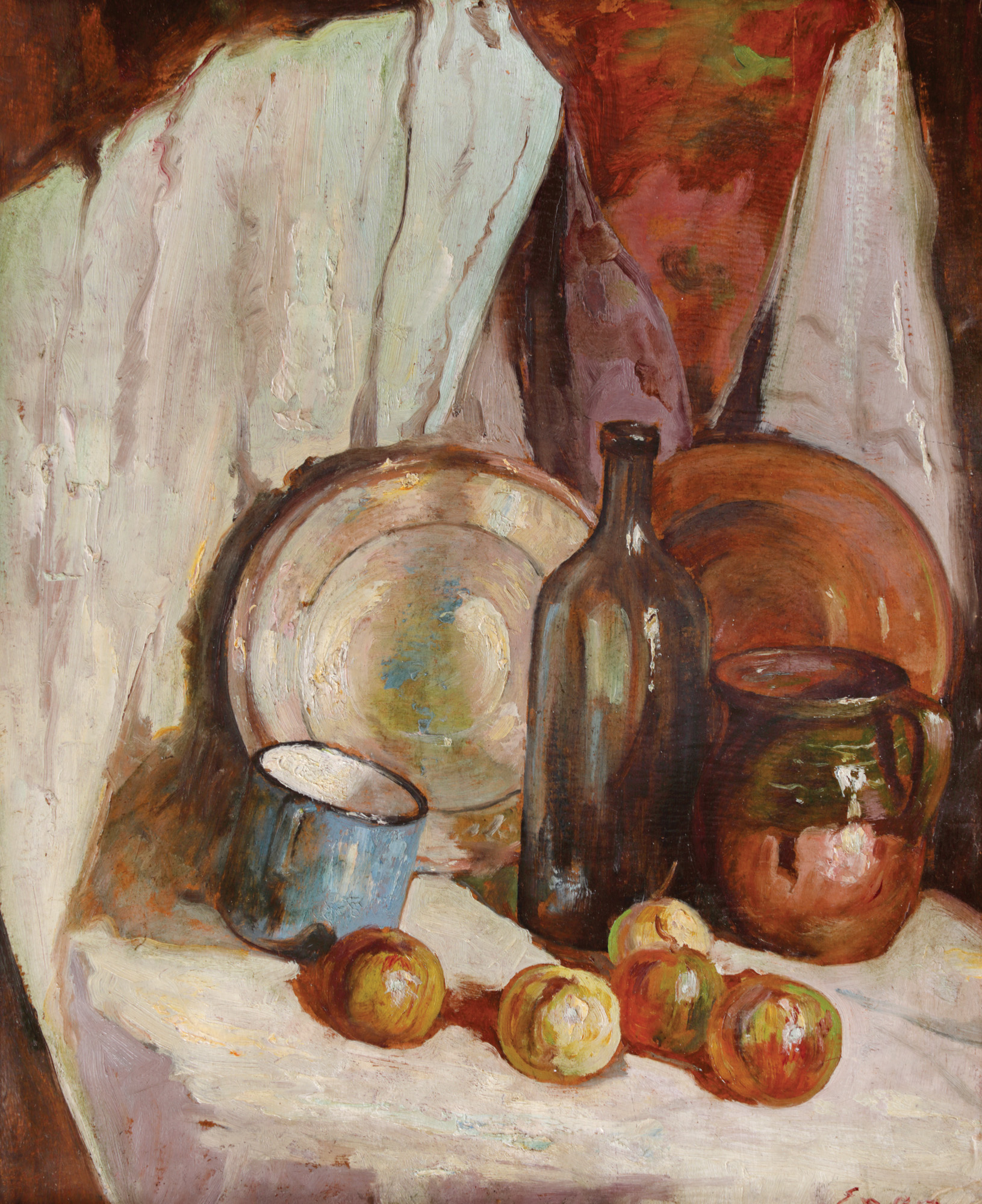
The photos of the lot are informative and indicative, and cannot provide a highly detailed view of the object from all angles. We recommend a careful physical inspection of the lot before bidding.
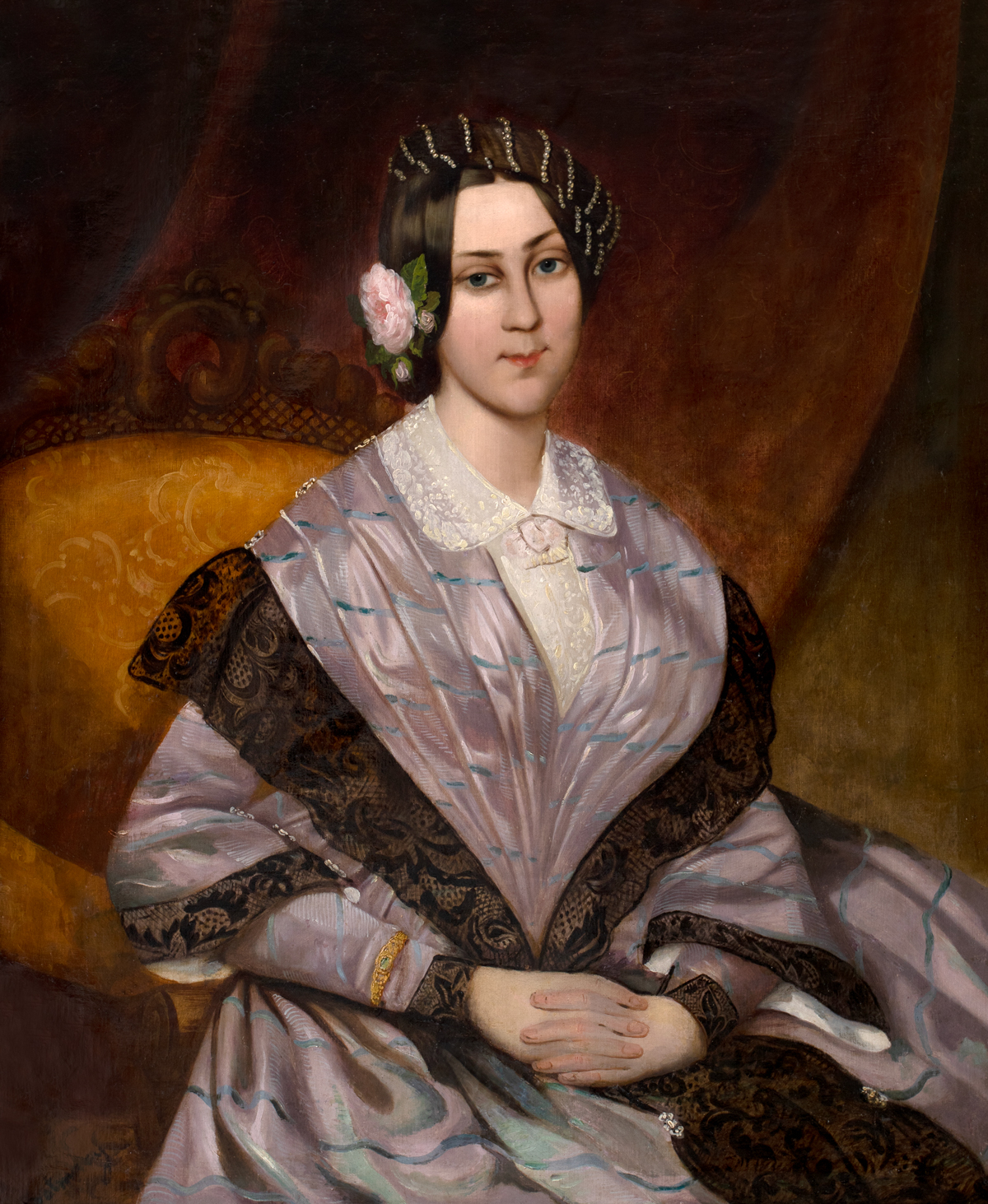
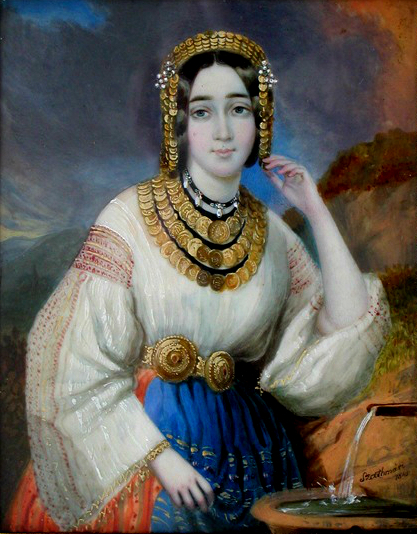
The 19th century consecrated the name of Carol Popp of Szathmari among the greatest Romanian artistic personalities, but also among the first photographers of Europe and also the creator of the first war photo report in the world. He shaped his artistic personality in Transylvania, at Pest with Anton Chladek, in Rome or in Vienna, and in 1837 he returned to the country, where he was concerned with the representation of people from the country in painting. He continued to take study trips, and he discovered the art of Delacroix, Rafel, Tizian or Rubens, making copies of their works. He opened his first photographic workshop in 1844, in Bucharest, thus becoming the first Romanian photographic artist. He was a war photographer in Crimea, where he took more than 200 photos that he included in an album. Copies of this album would come to be owned by such personalities as Emperor Napoleon III, Queen Victoria, or Emperor Franz Josef, and a copy was exhibited at the international exhibition in Paris. In 1877, he was present as a war painter in the War of Independence, alongside Nicolae Grigorescu and Sava Hentia. At that time, Carol Popp of Szathmari was one of the few who had knowledge in the field of restoration, so he assumed the correction and restoration of several works of Grigorescu’s works. Szathmari was also the painter and photographer of the Wallachian court, but his wanderings took him to several aristocratic courtyards and interiors. The artist built a relationship of interdependence between visual arts and photography and the former acquired the thorough details and precision necessary for a reasonable endeavour. Landscapes in which natural frames, villages, houses or churches are captured, as well as human figure are predominant in his creation. His fascinating encounters with the different areas of the country to which he travels are transcribed into a series of chromolithographs and watercolours focused on attire, customs and folk traditions. A guest of the imperial courts and royal festivities, he managed to create genuine documentations of the personalities of the time. Therefore, the artist revealed himself to us both as a painter of the simple man, and as a painter and photographer of noble families: Al. Dimitrie Ghica, Gh. Bibescu, Barbu Știrbei, Queen Elisabeta or other personalities from Cluj or Sibiu. We frequently find Mariţica Bibescu a (descendant along the line of the Văcărești family), the lady of the country at the time when Carol Popp of Szathmari transposed her in painting, the wife of the ruler Gheorghe Bibescu. Having boyar origins (her father, grandfather and uncle were active in politics or engaged in the art of the writing), she was the country’s princess-consort between 1845 and 1848. The sources of the age describe her having exceptional beauty, which also led to a wave of intrigue and suppositions regarding her love life when she started her love story with Gh. Bibescu. Mariţica Bibescu was a promoter of arts, especially of Romanian literature. Szathmari’s preserved work includes drawings and paintings depicting the country’s princess in traditional peasant clothes, and she is considered to be probably the first one to adopt this fashion. An official portrait made by Szathmari in 1845 presents M. Bibescu in a costume that combines the specific nature of Argeş with the Byzantine. His portraits are an indisputable testimony to the academist character that the artist adopts in painting. It used precise language and demonstrates great attention in rendering details, while respecting the features that make up the personality of its models - both in terms of features of the face and in terms of props (clothes, ornaments). He studied the psychology of his characters and rendered their character by gestures (posture, facial expression, positioning of the crossed hands in the lower plane, above the large dress) and placing them in a specific setting, which would enhance their social status (noble interiors). The artist manages to establish himself in a double stance: that of a painter-photographer, and he undoubtedly excels in the execution of his creations in both fields. (D.C.)
References
DEAC, Mircea, "Lexicon critic și documentar" ("Critical and Documentary Lexicon"), Medro Publishing House, Bucharest, 2008.
"Carol Popp de Szathmari – pictor și fotograf" ("Carol Popp de Szathmari - painter and photographer"), Cotroceni National Museum, Bucharest, 2012.
Dimensions
width 76.5 cm, height 91.5 cm
Description
oil on canvas, signed bottom left, in black, "Satmary"
ADDITIONAL INFORMATION
For clarifications regarding the bidding procedure, hammer price costs, guarantee, payment, and collection terms for the winning lot, we recommend carefully reading/re-reading the Bidding Regulations.
For additional information regarding the lot and the auction, please contact the Art Consultants Department.

Detalii
The 19th century consecrated the name of Carol Popp of Szathmari among the greatest Romanian artistic personalities, but also among the first photographers of Europe and also the creator of the first war photo report in the world. He shaped his artistic personality in Transylvania, at Pest with Anton Chladek, in Rome or in Vienna, and in 1837 he returned to the country, where he was concerned with the representation of people from the country in painting. He continued to take study trips, and he discovered the art of Delacroix, Rafel, Tizian or Rubens, making copies of their works. He opened his first photographic workshop in 1844, in Bucharest, thus becoming the first Romanian photographic artist. He was a war photographer in Crimea, where he took more than 200 photos that he included in an album. Copies of this album would come to be owned by such personalities as Emperor Napoleon III, Queen Victoria, or Emperor Franz Josef, and a copy was exhibited at the international exhibition in Paris. In 1877, he was present as a war painter in the War of Independence, alongside Nicolae Grigorescu and Sava Hentia. At that time, Carol Popp of Szathmari was one of the few who had knowledge in the field of restoration, so he assumed the correction and restoration of several works of Grigorescu’s works. Szathmari was also the painter and photographer of the Wallachian court, but his wanderings took him to several aristocratic courtyards and interiors. The artist built a relationship of interdependence between visual arts and photography and the former acquired the thorough details and precision necessary for a reasonable endeavour. Landscapes in which natural frames, villages, houses or churches are captured, as well as human figure are predominant in his creation. His fascinating encounters with the different areas of the country to which he travels are transcribed into a series of chromolithographs and watercolours focused on attire, customs and folk traditions. A guest of the imperial courts and royal festivities, he managed to create genuine documentations of the personalities of the time. Therefore, the artist revealed himself to us both as a painter of the simple man, and as a painter and photographer of noble families: Al. Dimitrie Ghica, Gh. Bibescu, Barbu Știrbei, Queen Elisabeta or other personalities from Cluj or Sibiu. We frequently find Mariţica Bibescu a (descendant along the line of the Văcărești family), the lady of the country at the time when Carol Popp of Szathmari transposed her in painting, the wife of the ruler Gheorghe Bibescu. Having boyar origins (her father, grandfather and uncle were active in politics or engaged in the art of the writing), she was the country’s princess-consort between 1845 and 1848. The sources of the age describe her having exceptional beauty, which also led to a wave of intrigue and suppositions regarding her love life when she started her love story with Gh. Bibescu. Mariţica Bibescu was a promoter of arts, especially of Romanian literature. Szathmari’s preserved work includes drawings and paintings depicting the country’s princess in traditional peasant clothes, and she is considered to be probably the first one to adopt this fashion. An official portrait made by Szathmari in 1845 presents M. Bibescu in a costume that combines the specific nature of Argeş with the Byzantine. His portraits are an indisputable testimony to the academist character that the artist adopts in painting. It used precise language and demonstrates great attention in rendering details, while respecting the features that make up the personality of its models - both in terms of features of the face and in terms of props (clothes, ornaments). He studied the psychology of his characters and rendered their character by gestures (posture, facial expression, positioning of the crossed hands in the lower plane, above the large dress) and placing them in a specific setting, which would enhance their social status (noble interiors). The artist manages to establish himself in a double stance: that of a painter-photographer, and he undoubtedly excels in the execution of his creations in both fields. (D.C.)
ADDITIONAL INFORMATION
For clarifications regarding the bidding procedure, hammer price costs, guarantee, payment, and collection terms for the winning lot, we recommend carefully reading/re-reading the Bidding Regulations.
For additional information regarding the lot and the auction, please contact the Art Consultants Department.

References
DEAC, Mircea, "Lexicon critic și documentar" ("Critical and Documentary Lexicon"), Medro Publishing House, Bucharest, 2008.
"Carol Popp de Szathmari – pictor și fotograf" ("Carol Popp de Szathmari - painter and photographer"), Cotroceni National Museum, Bucharest, 2012.
Dimensions
width 76.5 cm, height 91.5 cm
Description
oil on canvas, signed bottom left, in black, "Satmary"