
Meniu

English
Gifts

Rare Books, Documents, Photography & Posters

Collectible Religious Art

Asian Art, Technical Objects, Taxidermy, Curiosities & Antiques

Jewelry & Watches

Numismatics, Medals, Maps, Arms & Decorations

Luxury, Elegance, Collectible Cars & Beverages

Collectible Folk Art

Sneakers & Toys


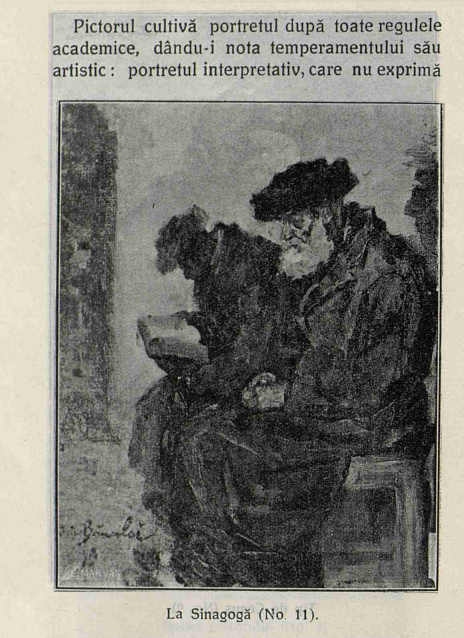
113. Jew from Iași

The photos of the lot are informative and indicative, and cannot provide a highly detailed view of the object from all angles. We recommend a careful physical inspection of the lot before bidding.

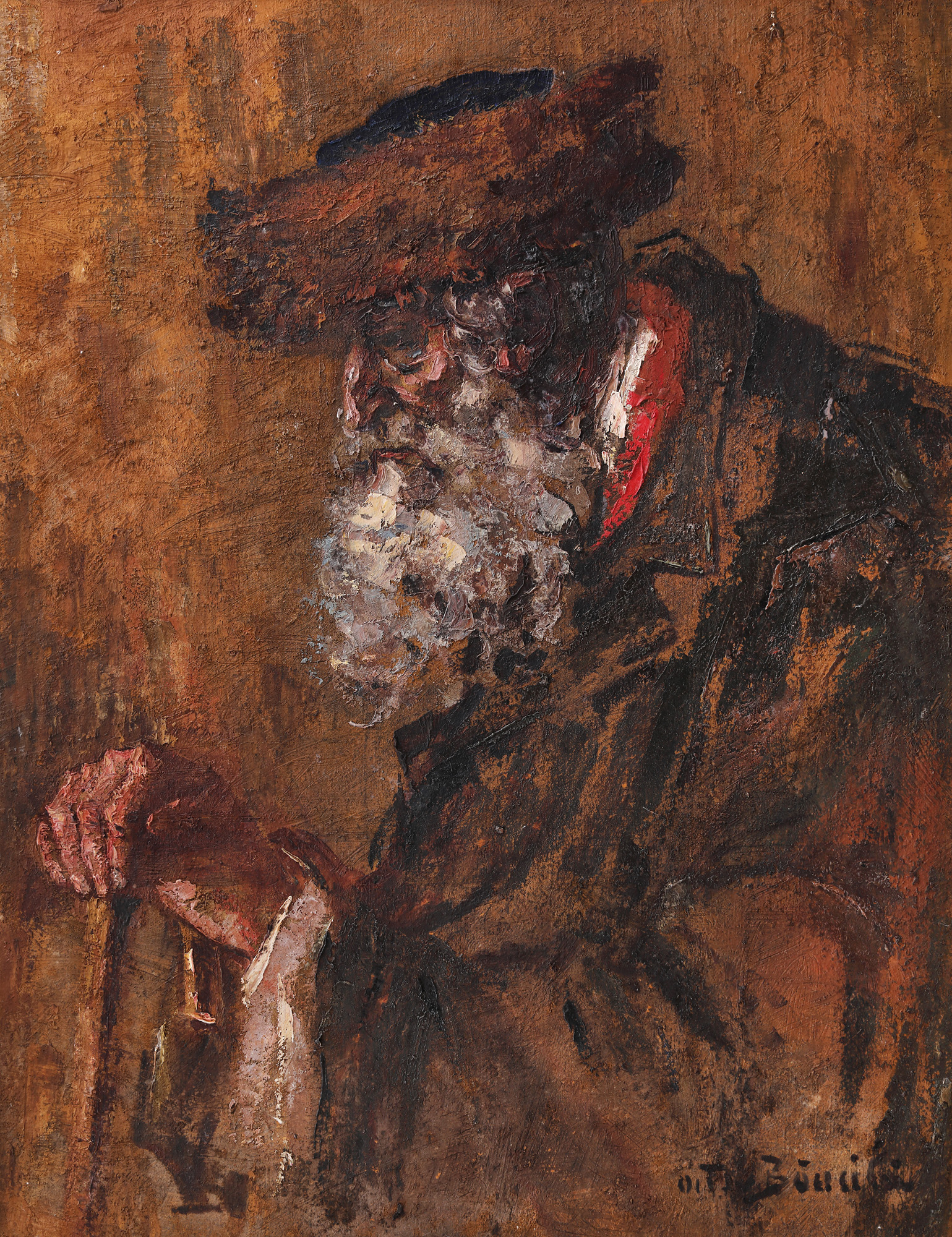
113. Jew from Iași

1872, Corni, Botoșani - 1944, Bucureşti

Estimate:
EUR 7.000 - 12.000
Sold
EUR 9.000

References

SĂTEANU, C., "Pictorul Octav Băncilă" ("Painter Octav Băncilă"), in "Arta și Arheologia" ("Art and Archaeology"), 3rd year, issue 4, 1930, p. 11-24. COMAN, Anton, "Octav Băncilă", State Publishing House for Literature and Art, Bucharest, 1954.

oil on canvas, 92 x 71 cm, signed bottom right, in black, "Octav Băncilă"

Unlike other Romanian artists who also followed the way to Paris and Munich, and remained faithful to the cultural environment they first met, Octav Băncilă will fell more attracted by the Bavarian bohemian environment. His work is placed on the borderline between the description of everyday life, with all its joys and tragedies, and the contemplation of allegories that oppose reality. With a multitude of works at the centre of which the human being revolves, Băncilă affirms himself permanently in the Romanian art. If in the portraits made in the first period of his creation, when his style is not yet definitive, he still follows closely the academic rigours, in the second stage the artist will make the transition to a freer pictorial manner. He will adopt Naturalism precepts, but will continue to use Realism teachings. He captures in his canvases the aspects of country life, of the lives of ethnic minorities and transcribes, with the skill of a chronicler, the time of the 1907 revolt. His work does not take on a militant character, but remains a faithful review of true events. The concern for the Jewish minority was born in the Bavarian capital, where Băncilă produced his first work on the subject. Returned to Iași, he will often wander around Târgul Cucului, the city's Jewish quarter. He summarises the difficulties faced by this minority in everyday life and portrays their representatives in different roles: ragpickers, combers and clothes sellers. He captures them praying, he sketches them in their meditative attitude and he often illustrates old Jews, whose faces are deep in contemplation. He uses a sober chromatic in which shades of scarlet, ochre or brown predominate. The hardness of the paste is tamed by two bright white touch-lines, but Băncilă focuses on the choice of colour palette in enhancing the psychology of the characters depicted. He thus builds interpretative portraits, whose decorative function is cancelled by the profound essence the artist gives his work.

For clarifications regarding the bidding procedure, hammer price costs, guarantee, payment, and collection terms for the winning lot, we recommend carefully reading/re-reading the Bidding Regulations.

For additional information regarding the lot and the auction, please contact the Art Consultants Department.

SESSION
Tue, 20 June 2023 19:00

Similar lots

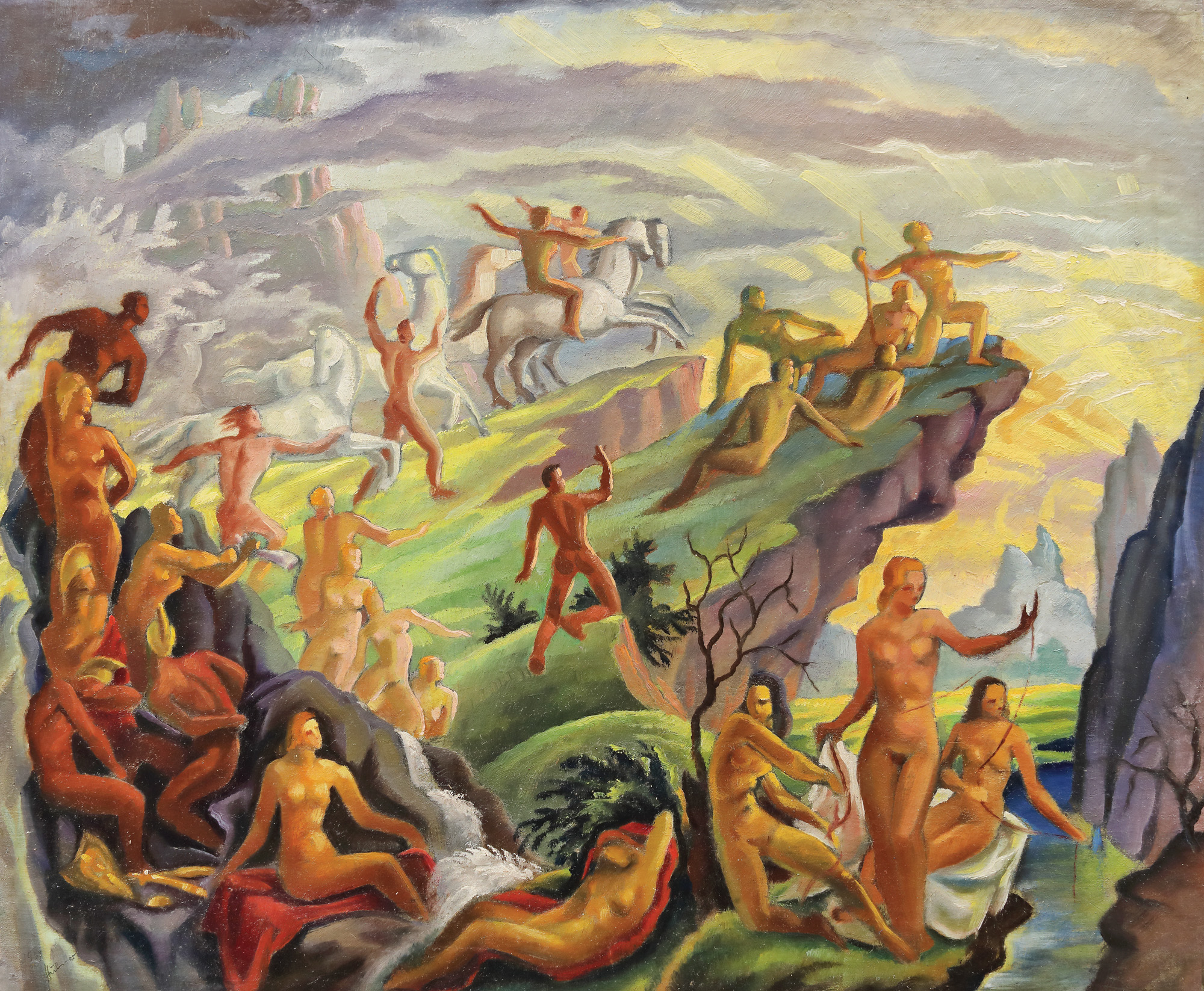
Elysian Fields

151. Elysian Fields [1939]

Carol Hübner

    Estimate: EUR 900 - 1.600
    Sold EUR 2.750
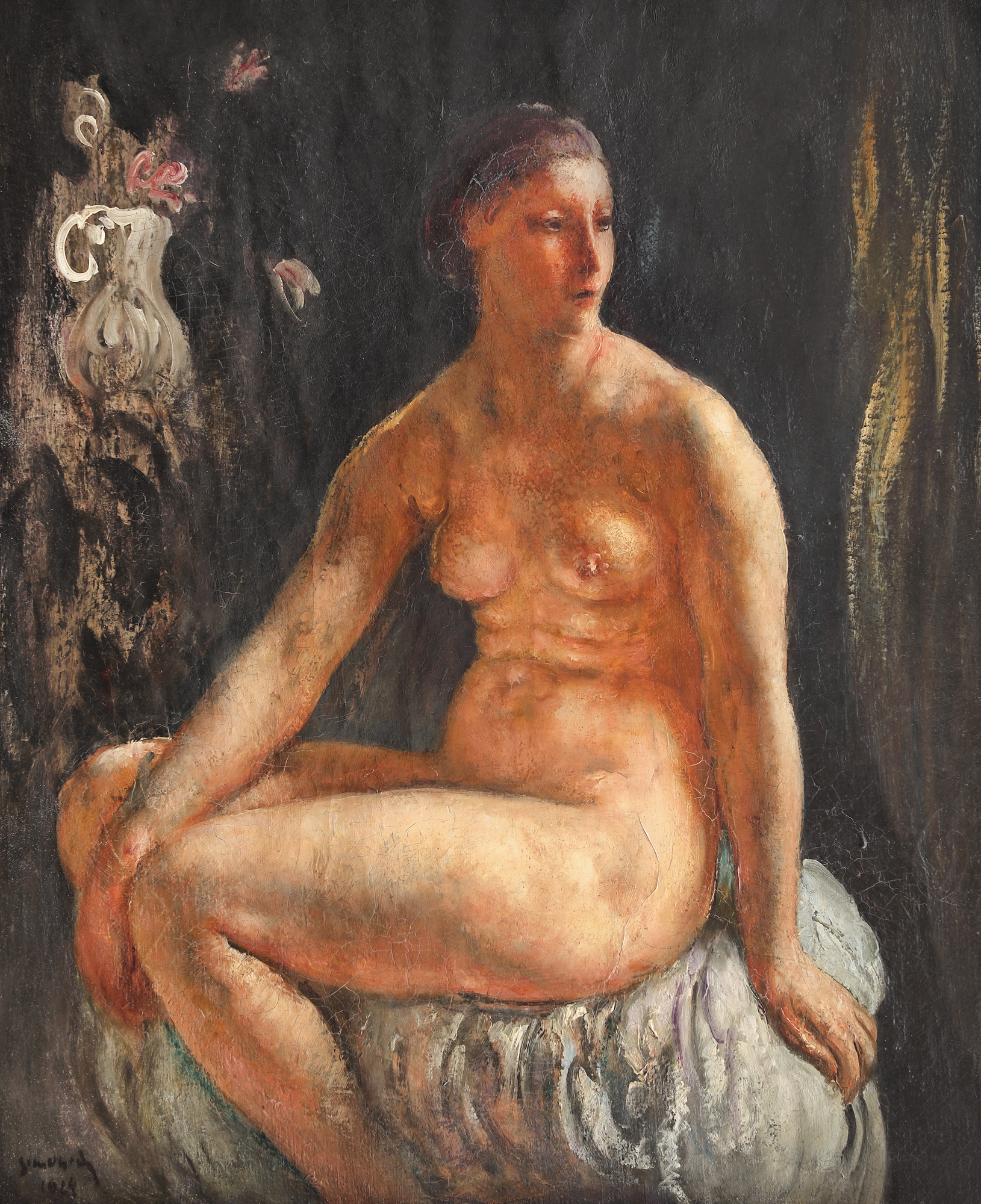
Intimacy

88. Intimacy [1924]

Mihail Simonidy

    Estimate: EUR 2.500 - 3.500
    Not sold
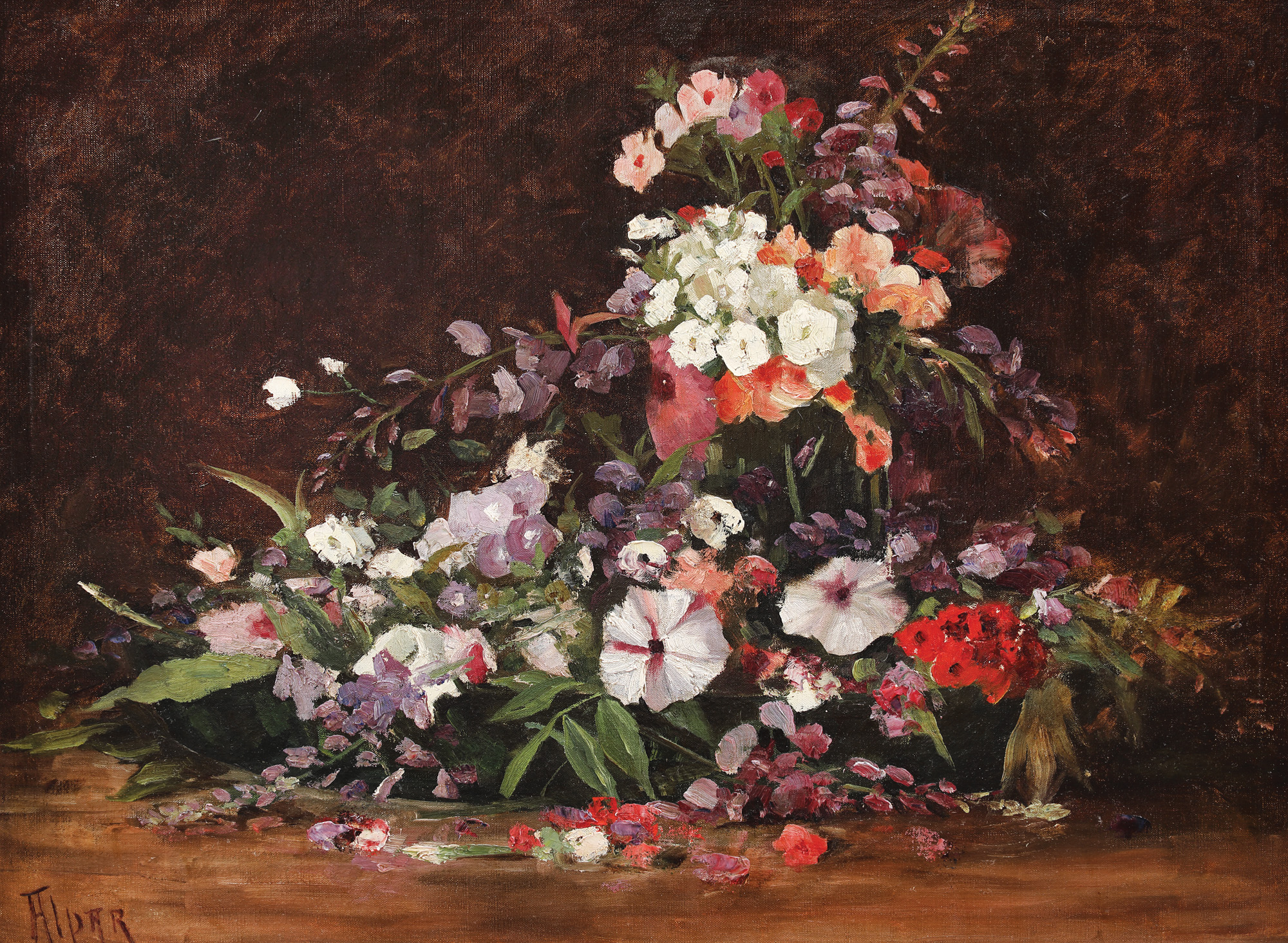
Wild Flowers

89. Wild Flowers

Juan Alpar (Alexandru Paraschivescu)

    Estimate: EUR 1.000 - 1.800
    Sold EUR 2.500