The photos of the lot are informative and indicative, and cannot provide a highly detailed view of the object from all angles. We recommend a careful physical inspection of the lot before bidding.
BREZIANU, Barbu, "N.N.Tonitza", Ed. Academiei, București, 1967 BREZIANU, Barbu, "N.N.Tonitza", Ed. Meridiane, București, 1986 CIUCĂ, Valentin, "Pe urmele lui Tonitza", Ed. Sport-Turism, București, 1984 COMARNESCU, Petru, "N.N.Tonitza", Ed. Tineretului, București, 1962
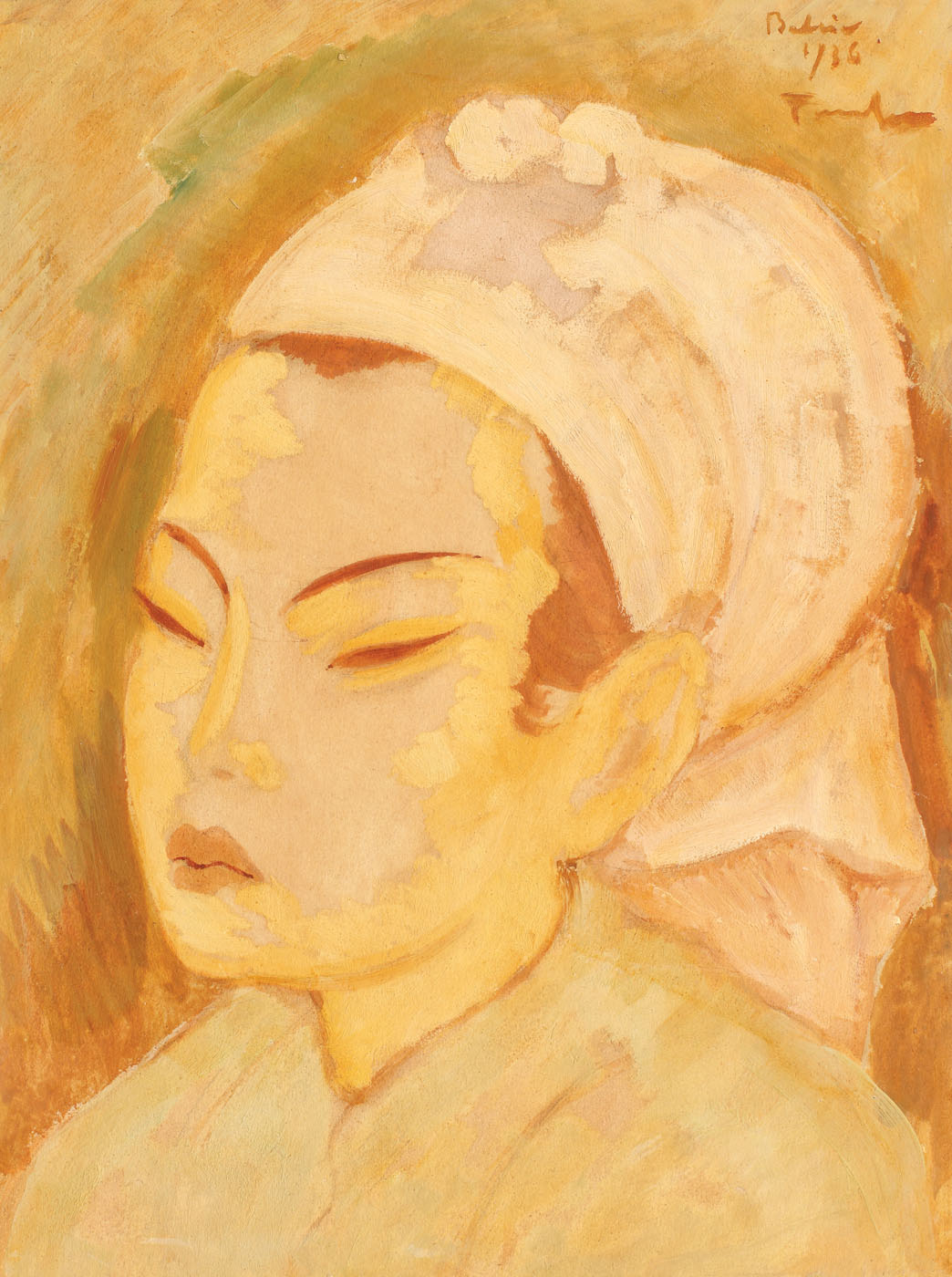
oil on paper glued on cardboard, 40 x 29.5 cm, 29,5x40, signed, dated and located upper right, in brown, "Balcic, 1936, Tonitza" ("Balchik, 1936, Tonitza")
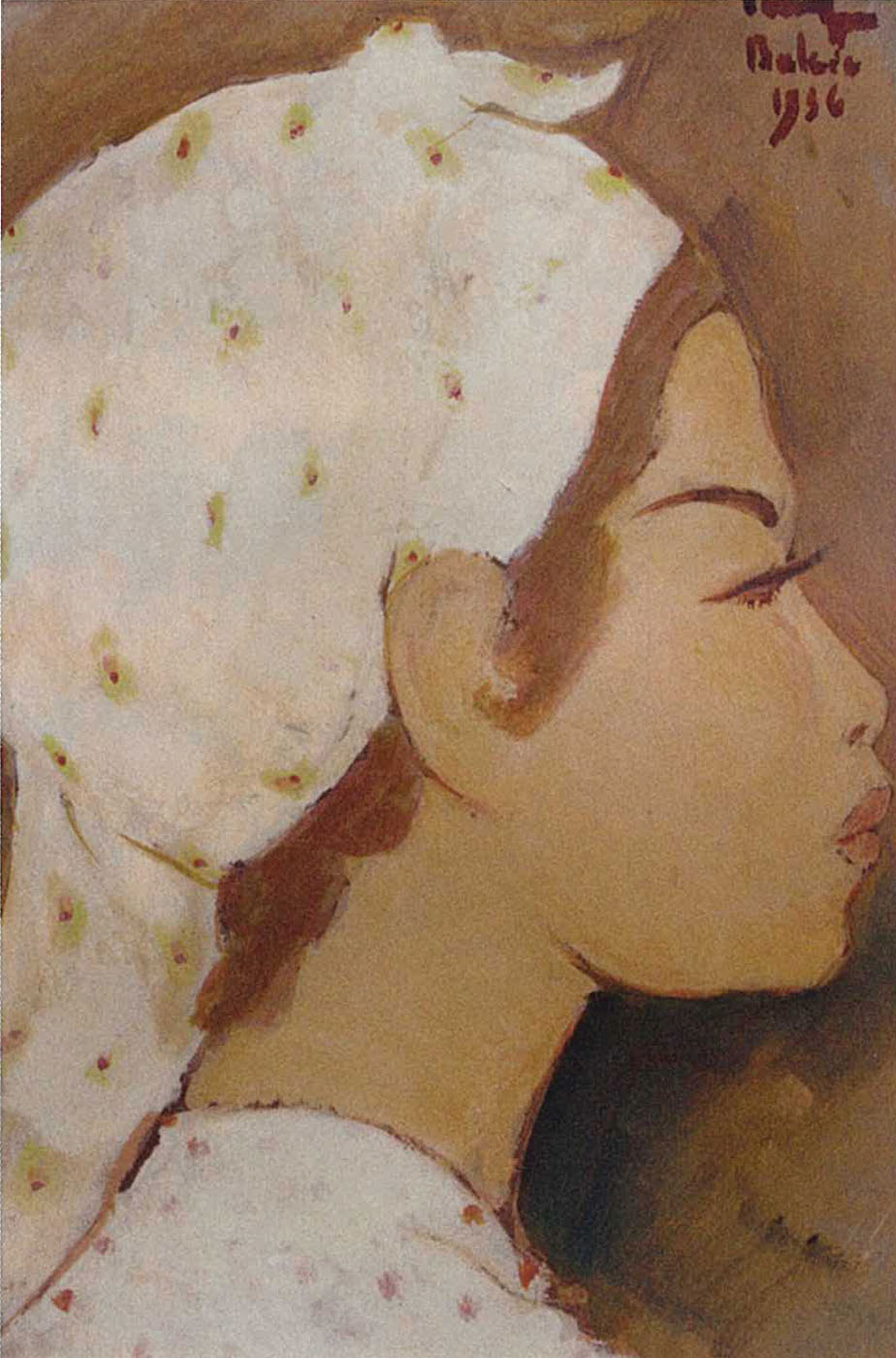
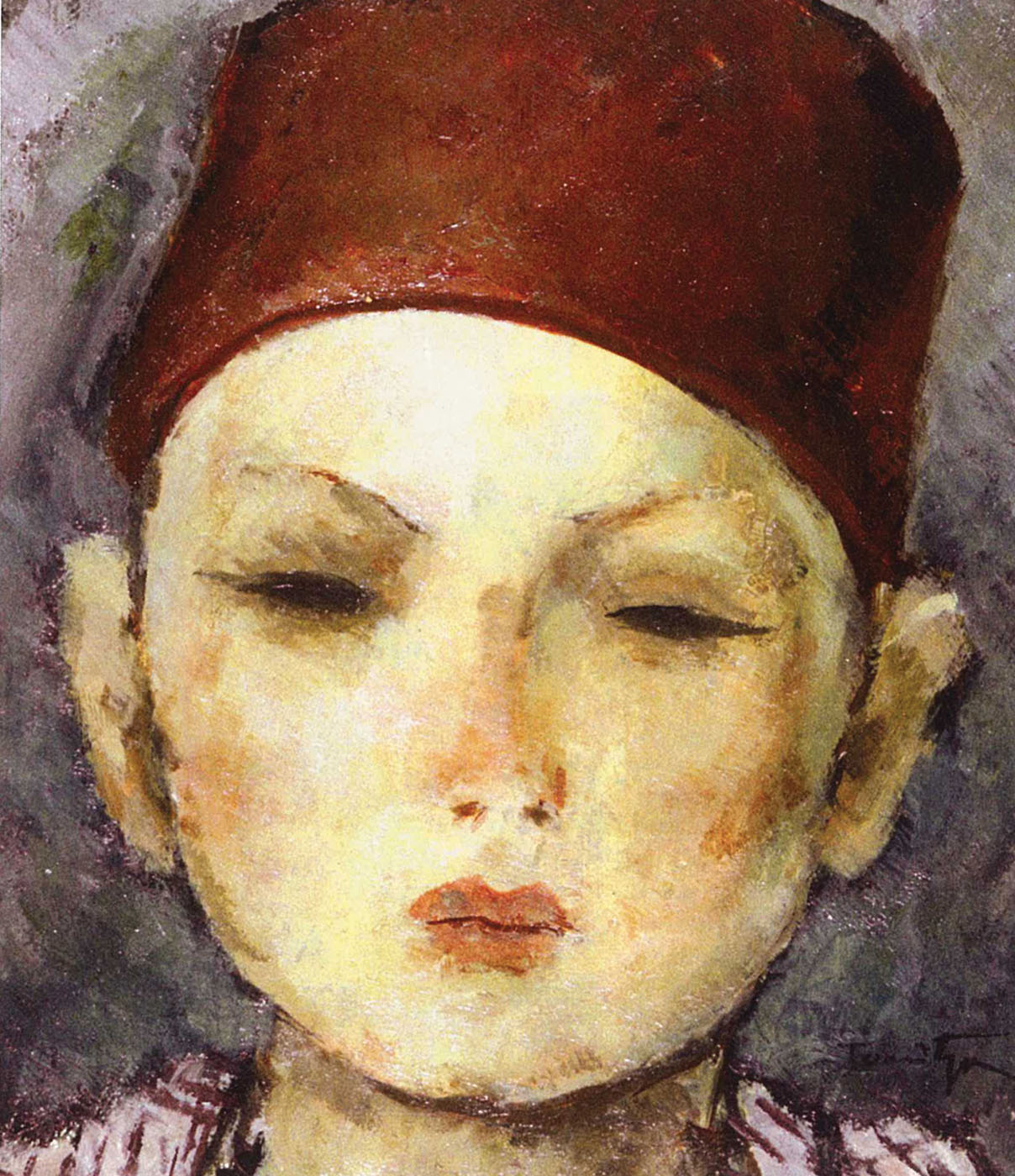
Freshness and authenticity, these traits were meant to bring Tonitza back to the conscience of his peers in the latter part of a troubled career and life. Freshness returned to Tonitza’s oil paintings following a new contact with the Dobrogea coastline. While Tonitza visited Mangalia as early as the 1920s, Balchik entered rather late (compared to the cases of Iser or Dărăscu) in the Moldavian’s imagination. Freshness meant contact with the simple man, with candid psychology and the picturesque that shrouded the poor Tatar slum. Between 1933 and 1938, the last year when Tonitza could really paint (except the few landscapes made in Sinaia in 1939), the picture of his creation was reanimated through a suite of compositions extracted exclusively from the human universe. Thus he shaped the garment of authenticity, not by painting the well-known themes of Balchik at dusk, but through man, prone to a lyrical plastic interrogation. In a new plastic conception, as it showed from the year of his first trip to Balchik (1933), Tonitza did not completely depart from the pre eminent themes used until then. The main discordant note, which distinguishes the types created now from everything that had previously been created by Tonitza, is the permanent and indissoluble connection between the model and the atmosphere. Whether in portraits or compositions, in drawings or oil paintings, Orientalism did not vibrate only through almond-shaped eyes or golden complexions, but it became truly Romanian. In 1936 Tonitza made the most extensive characterising work thus far, portraying a large number of characters seen on the spot. In his creation at that time there was no travesty, and modelling from memory, from a momentary impression, raw and unmediated by work in the studio, coordinated an entire cycle itself, which continued in the years to come. Orientals through ethnicity and faith, Tonitza’s Turks and Tatars conveyed a discrete note of fatalism, but also devotion to the light and the solar atmosphere typical of Balchik. We become familiar with these types for the first time after attending the 1936 Official Drawing and Graphic Salon, when the artist presented 7 ink drawings at pos. 385-391, among which we mention: “Tatar Gurli”, “Rachis-Ali”, “Asim Selim the Pie Maker”, “The Guardian of the Cemetery”. With Tefik, Ali-Memet, Afizé, Cadié, Fatma, Nezibé or Hagi Iusup Memet, most of them painted in 1936, we can make a quasi-complete picture of the typologies captured by Tonitza with his dip pen or brush. Quasi-complete because the atmosphere was completed by compositions with characters caught in daily activities or in idyllic compositions (see “Turkish Women in Balchik” in “Tonitza” Ionel Jianu, Căminul Artei, 1945; “The Fisherman and the Muse” – Artmark, Auction #20”, 2010, lot 59). Painted in half-profile, with quickly drawn eyes, almond-shaped but closed, the little Tatar girl is captured in the typical, mysterious manner. The lack of eye contact seems to show the scission between the two worlds, by the model’s hesitation to come into contact with either the painter or the viewer. In a palette of gold, ochre and yellow, Tonitza painted the ancestral countenance of an entire people, indifferent to the notion of time, by using the sand in Balchik. (I.P.)
For clarifications regarding the bidding procedure, hammer price costs, guarantee, payment, and collection terms for the winning lot, we recommend carefully reading/re-reading the Bidding Regulations.
For additional information regarding the lot and the auction, please contact the Art Consultants Department.