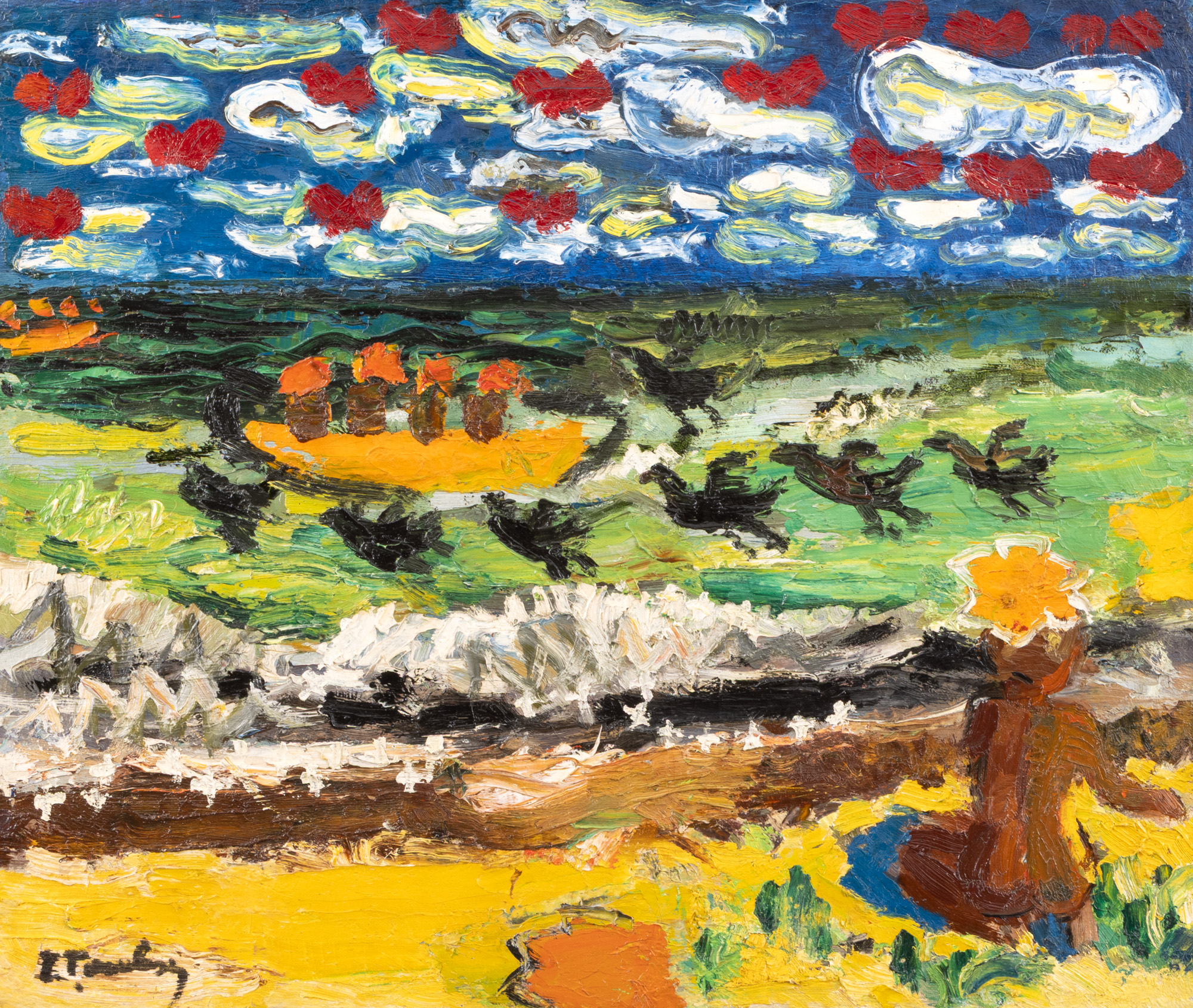

39. Nude at the Sea [cca. 1950]

1910, Craiova - 1962, Bucureşti

Estimate

EUR 30.000 - 50.000

Sold

EUR 72.500

Session

Thu, 19 February 2026 18:00

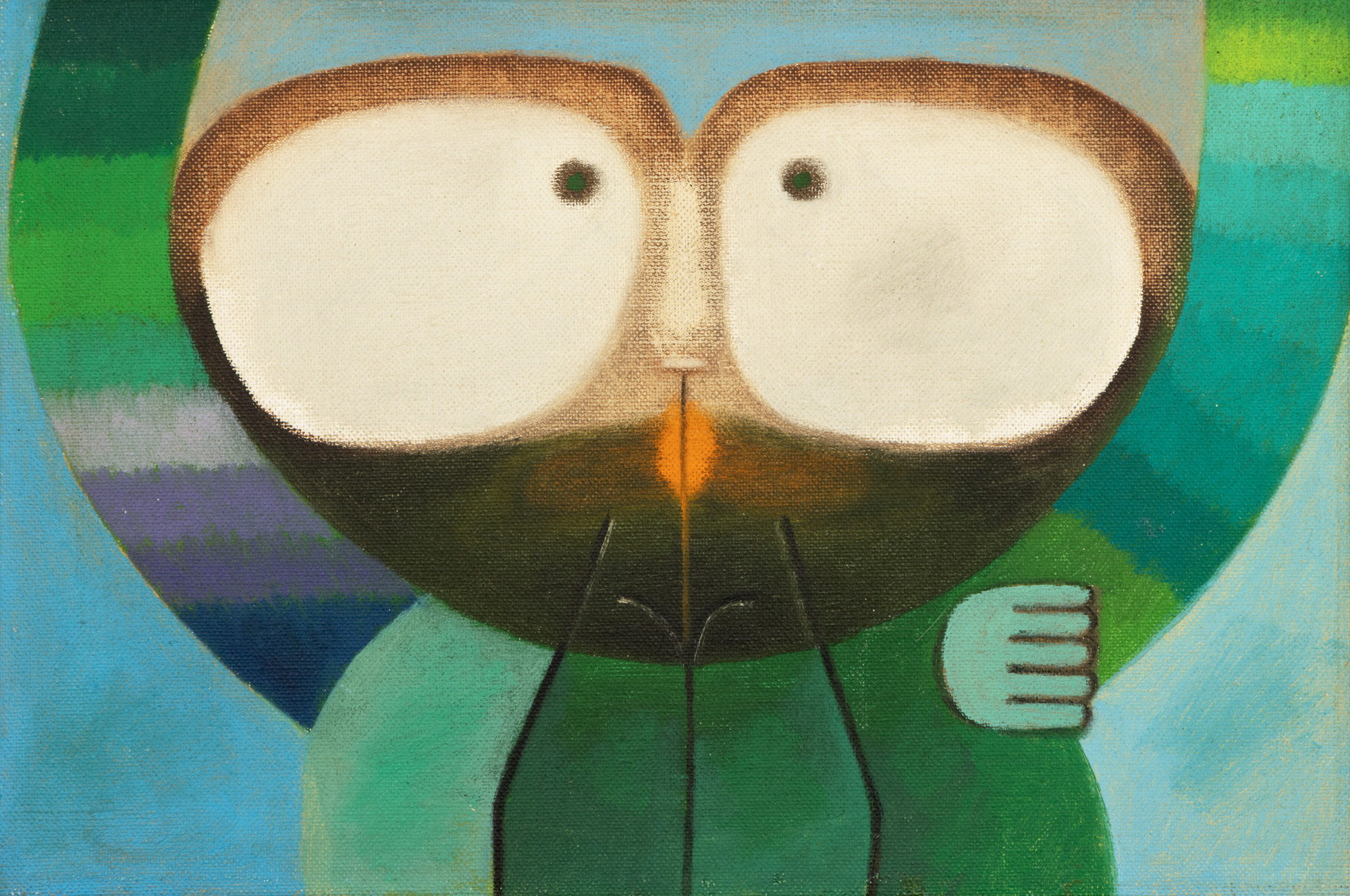
Ion Țuculescu is tormented by a vital force of the creative self, being attributed hyperbolic qualities, which exceed the level of eccentricity, excessive. Țuculescu is attracted to signs and symbols that have their genesis in the native womb. His artistic journey shows the transition of modern art towards abstraction, through contrasting depth. Predominant in Ţuculescu's works remains the expressionist character, which combines the drama and the fantastic of imagination. His art abounds in a constant dynamism, the forms being stylized in the spirit of folklore. Often calling on ancient ornamental motifs, Ion Țuculescu combines traditional components, people caught in their daily existence and elements from the animal and plant world, to give his personal, symbolic and fantastic vision, returning to a world detached from fairy tales, with a poetic, serious and disturbing charge. Inspired by great native artists,Petrașcu, Andreescu or Luchian, Ion Țuculescu follows his own path in the world of fine arts, having his compositional foundation derived from Romanian folklore. Țuculescu was to become a truthful interpreter of nature and the space of Romanian areas, excelling in outlining landscapes on canvas. During the 1950s and 1960s, the painter dedicated himself to landscapes, resorting to alternating strong, vibrant tones, using paste excessively. His plastic universe is complex, Țuculescu resorting to unusual materializations that offer the frame an artificial, elastic luminosity. Surpassing the pattern of consecrated landscapes, Țuculescu impresses in this work, titled "Nude at the sea", with unusual chromatic choices, but also with the chosen subject. The painting becomes a Gauguin style allegory of the Garden of Paradise. The ephemeral being tries to overcome the boundary imposed by the seven strong contrasting birds, which symbolize the capital sins that man must overcome in his journey towards the sea. Thus, Țuculescu shows the constant desire that man nurtures for eternal freedom, which hides in Eden. The cover on the nude's head is orange, like the boat that floats on the endless current of life. The people in the background have the same cover on their heads, but they navigate freely towards eternity. The painting turns into an amalgam of emotion and color, the artist combining the paradisiacal elements with the nudity of a body at the antipodes of eternal search and the carnal world. Certain details are recognizable from the palpable world from which his artistic ideas originate, but he reconfigures them according to his own artistic interpretation grids. Thus, Țuculescu proposes the diegesis of a fairytale world, brought back to the viewer from folklore.

References

COMARNESCU, Petru, ”Ion Țuculescu”, Meridiane Publishing House, Bucharest, 1974.

Dimensions

width 53 cm, height 46 cm

Description

oil on canvas, signed bottom left, in black, "I. Țuculescu"

Research information

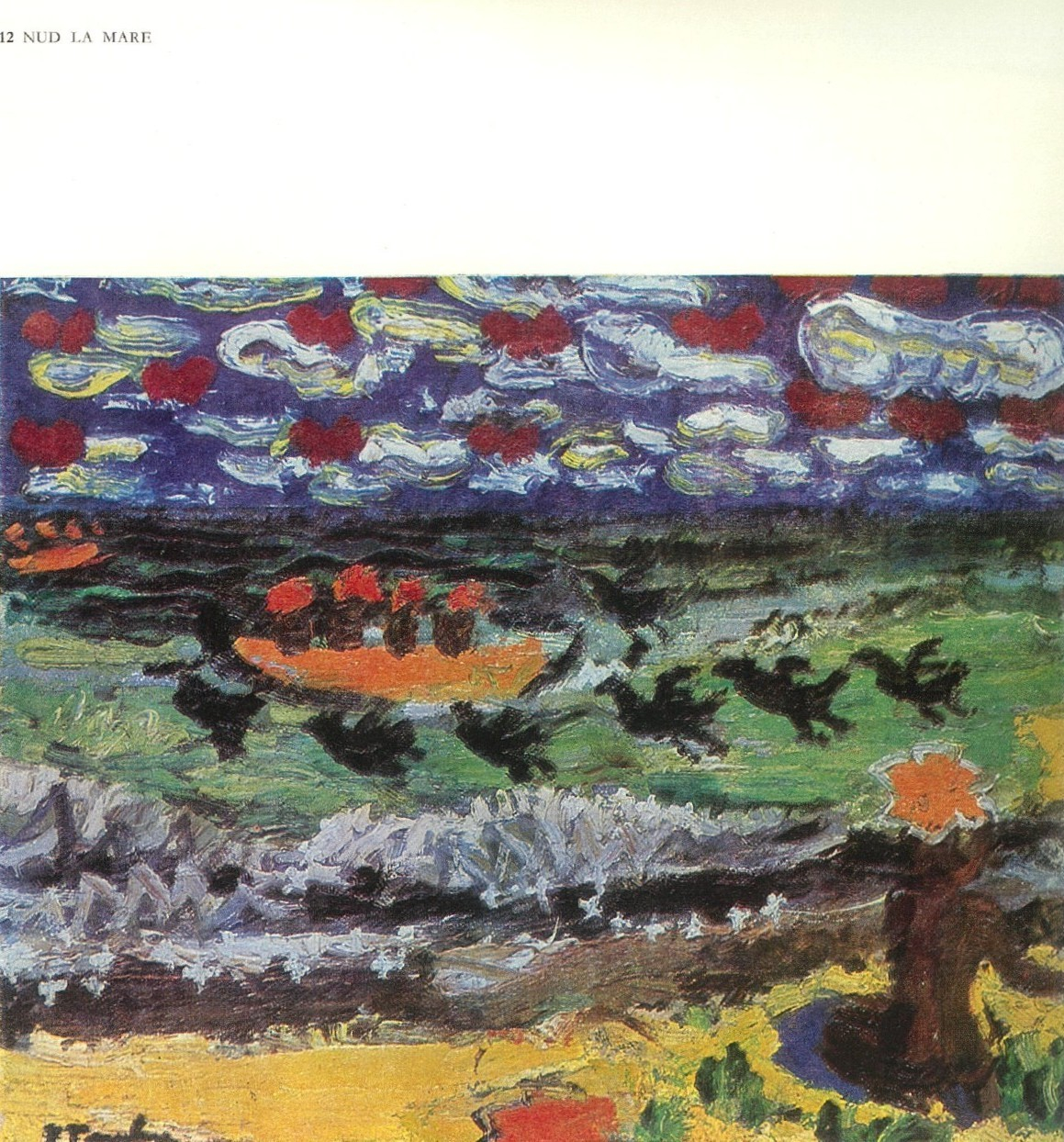
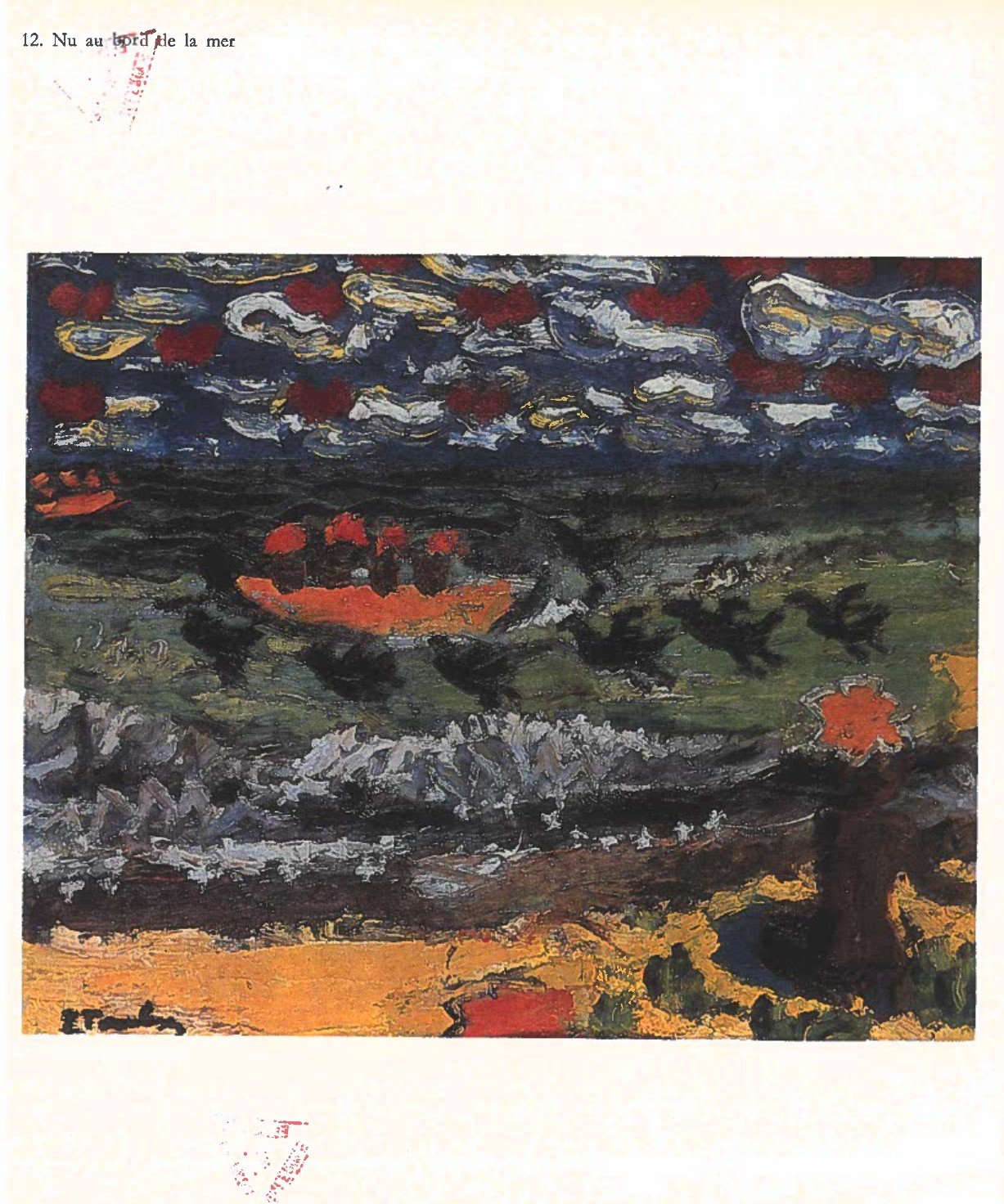
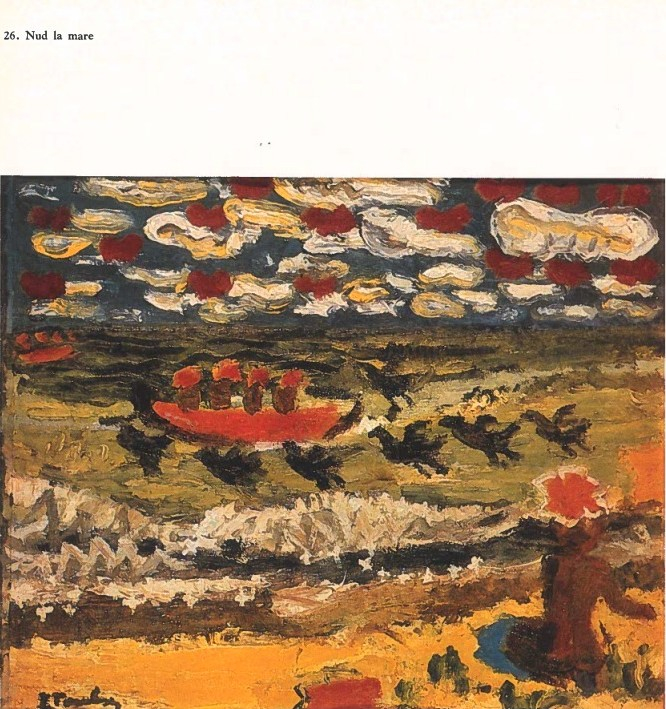
The work is reproduced in the catalog "Ion Țuculescu", Meridiane Publishing House, Bucharest, 1966, category 26. The work is reproduced on the cover of the catalog "Ion Țuculescu", Petru Comărnescu, Meridiane Publishing House, Bucharest, 1974. The work is reproduced in the catalog "Ion Țuculescu", Petru Comărnescu, Meridiane Publishing House, Bucharest, 1974, category 12. The work is reproduced in the catalog "Ion Țuculescu", Éditions Beaulieu, Paris, 1975, category 12.

Dating

cca. 1950

ADDITIONAL INFORMATION

For clarifications regarding the bidding procedure, hammer price costs, guarantee, payment, and collection terms for the winning lot, we recommend carefully reading/re-reading the Bidding Regulations.

For additional information regarding the lot and the auction, please contact the Art Consultants Department.

Similar lots