

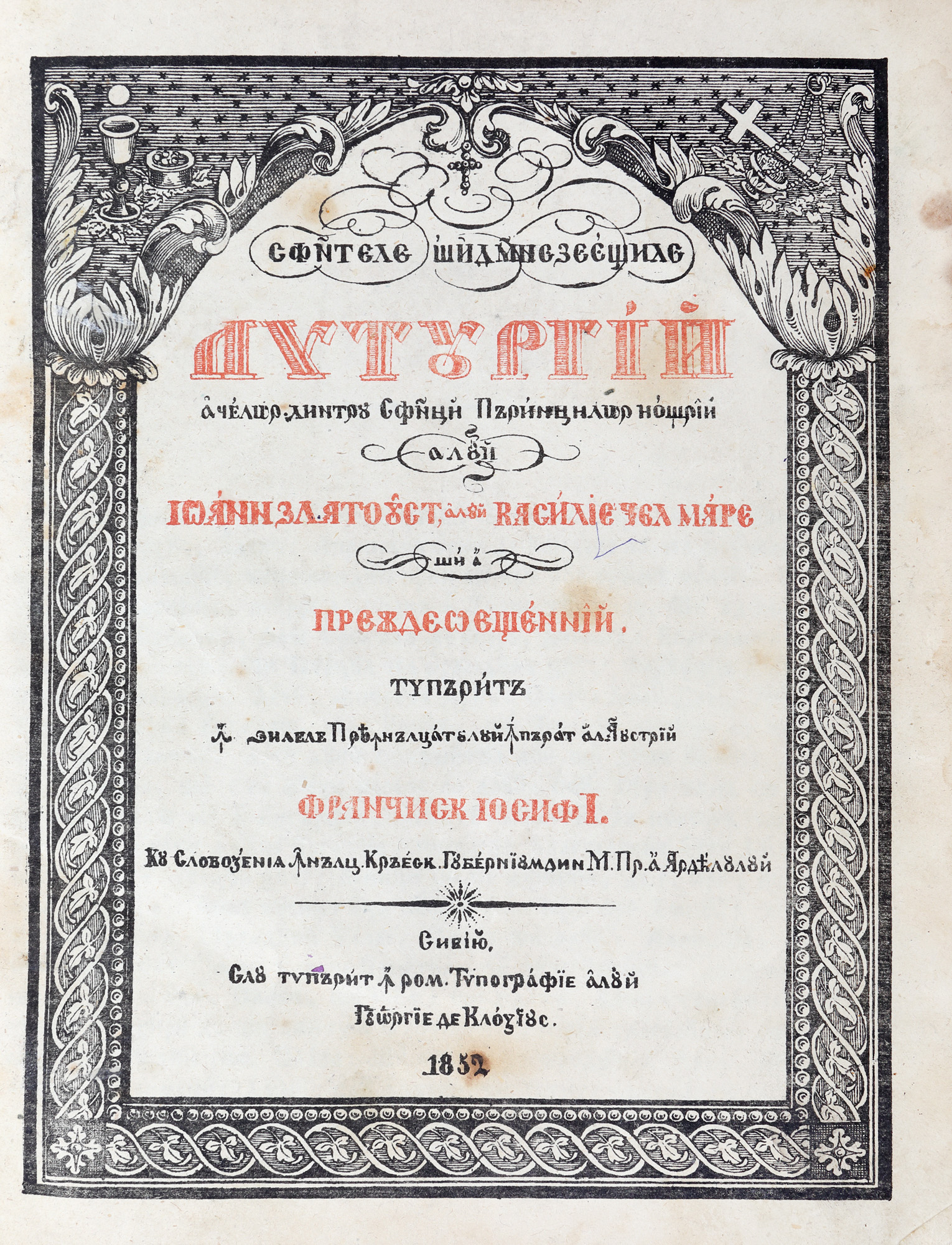
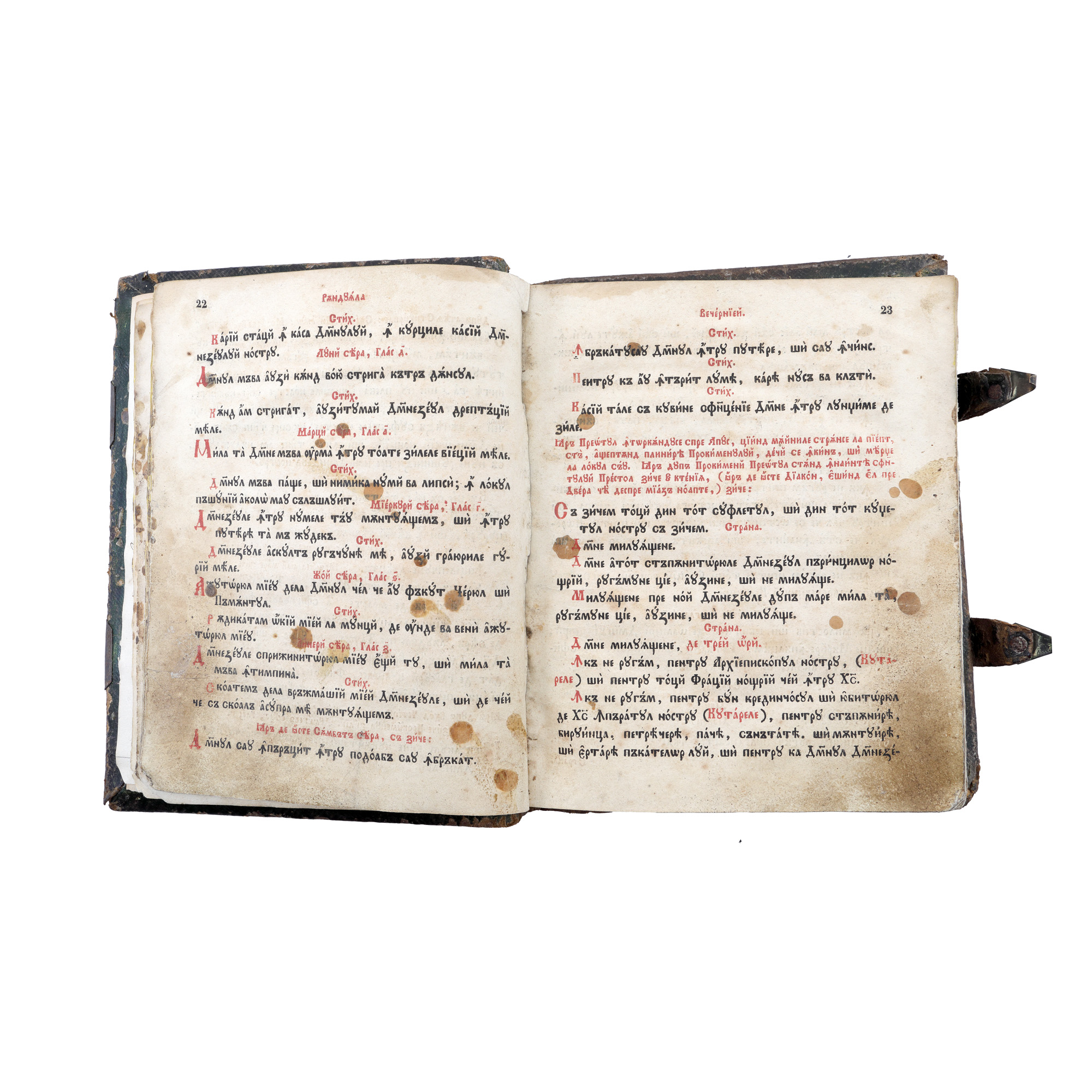
27. "The Holy and Divine Liturgies of Saints John Chrysostom, Basil the Great and Gregory the Theologian", work printed in Georgie de Klosius' printing house, Sibiu, 1852, collection piece
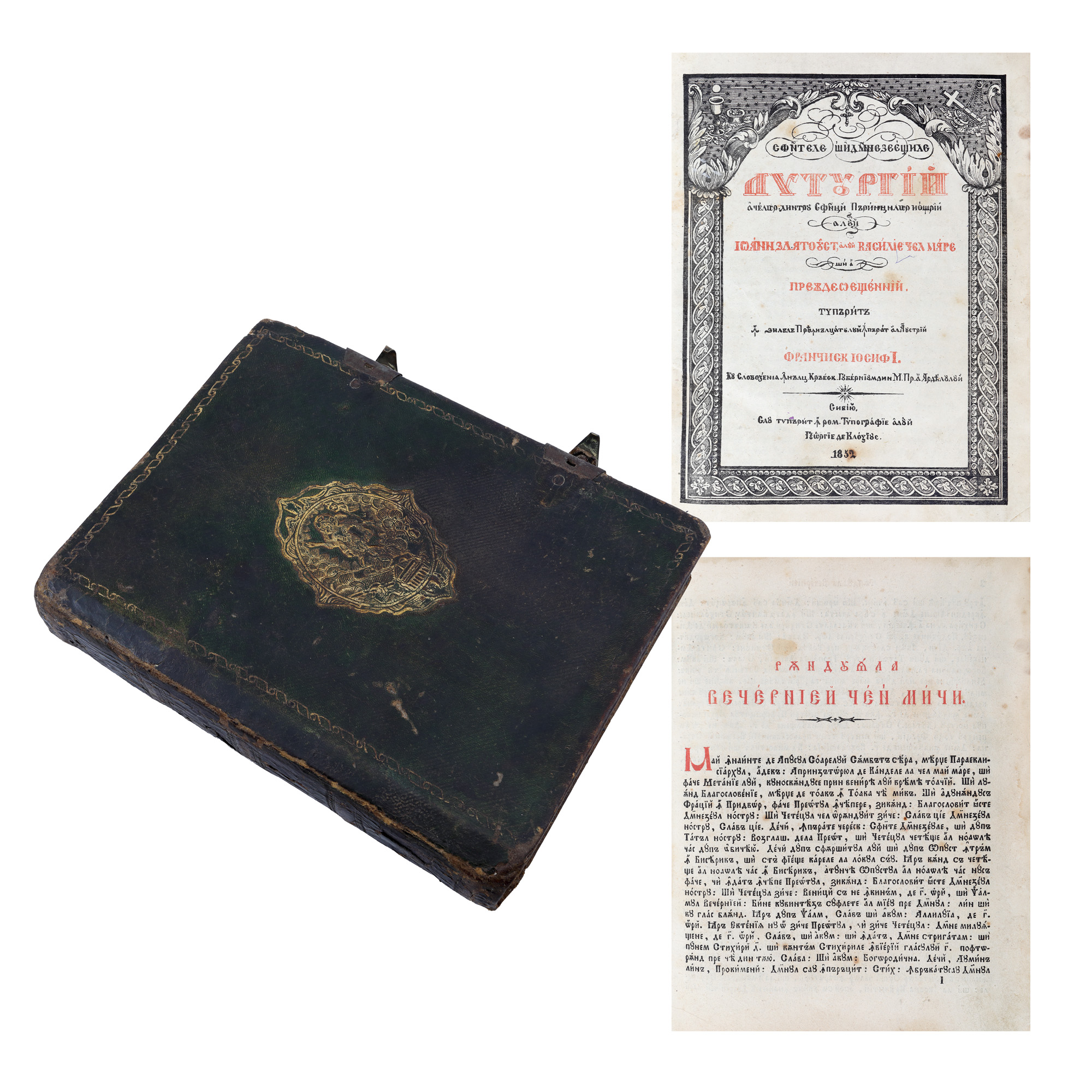
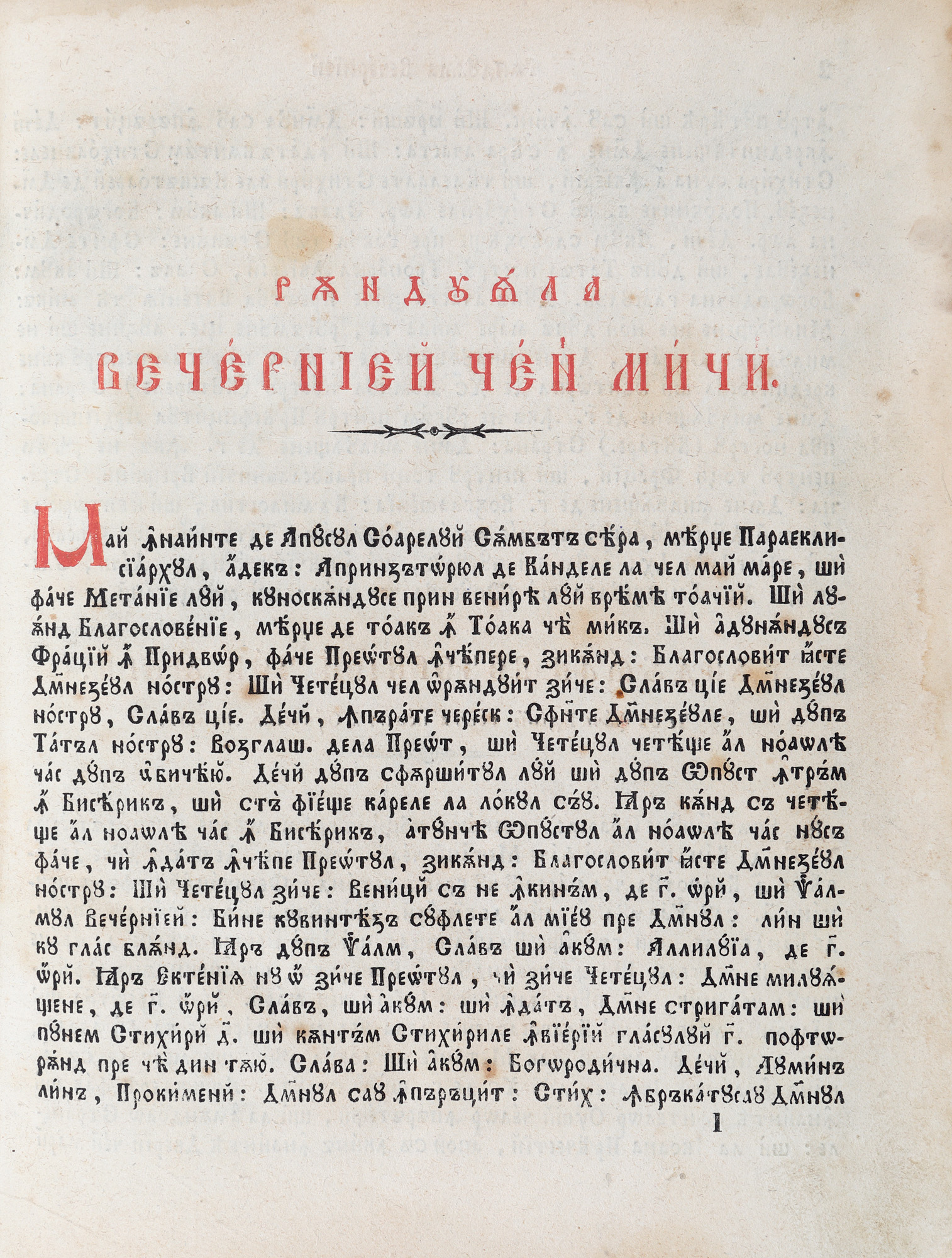
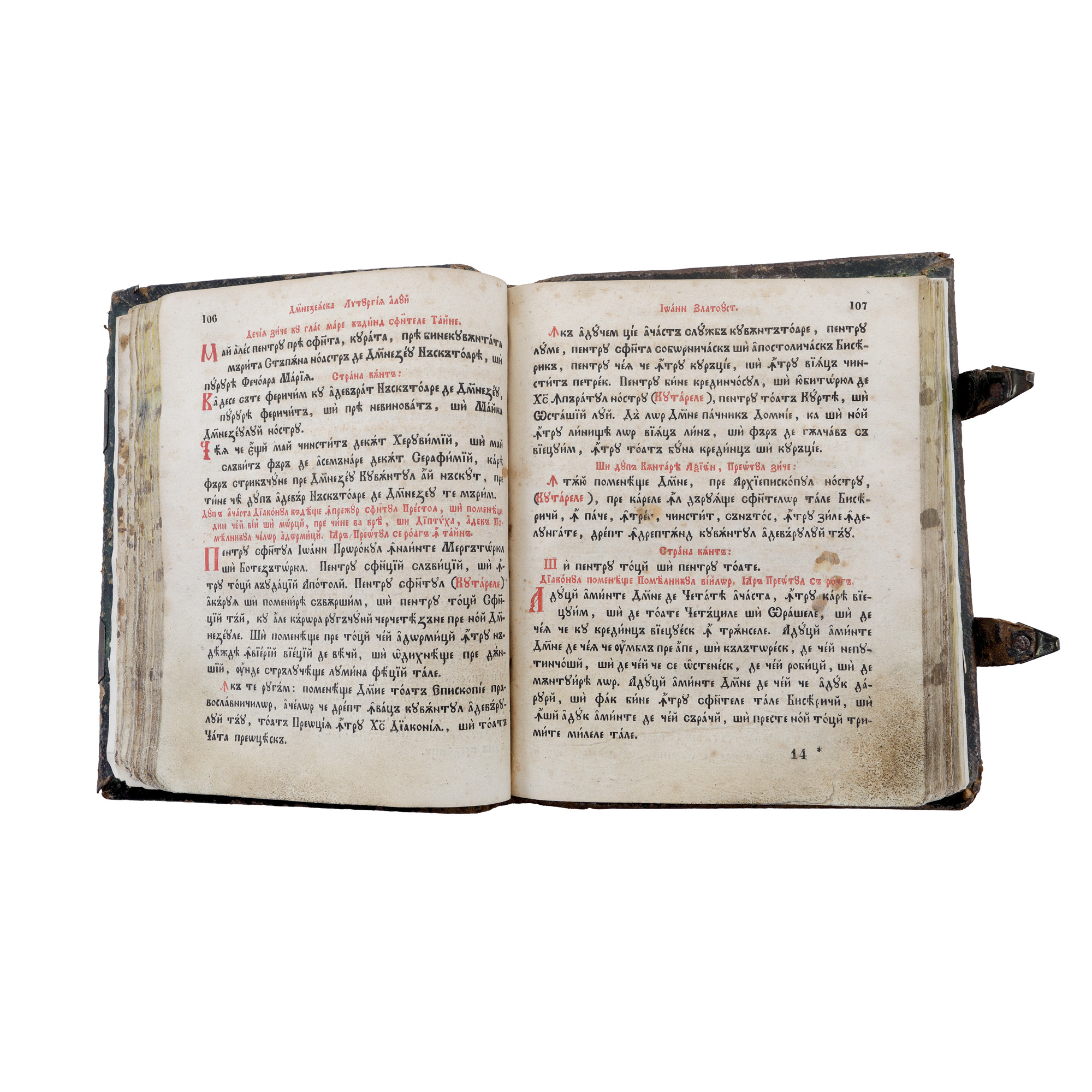
The photos of the lot are informative and indicative, and cannot provide a highly detailed view of the object from all angles. We recommend a careful physical inspection of the lot before bidding.
27. "The Holy and Divine Liturgies of Saints John Chrysostom, Basil the Great and Gregory the Theologian", work printed in Georgie de Klosius' printing house, Sibiu, 1852, collection piece
Starting price:
EUR 125
Sold
EUR 350
24 x 19 cm
Research information
Johann Barth the Elder (c. 1670-1746) began working from 1693 and worked for over 50 years as a printer. He was the founder of a true dynasty of printers, consisting of his son, Johann Barth junior (1702-1782), his son, Petrus Barth (1740-1801) and his son, Johann Andreas Barth (1773-1832). From 1793, the Barth printing house published the series of calendars in the Romanian language for half a century. During the period when he worked as a printer (1788-1801), Petrus Barth printed 37 Romanian books. His work was continued by his son, Johann Andreas Barth (1773-1832). Subsequently, the printing house passed into the property of his son-in-law, Johann Georg Samuel von Closius, in 1832. The latter will develop it and will allow the publication, between 1859-1862, of Heinrich Schmidt's newspapers, "Siebenbürger Quartalschrift" (1859-1860) and "Hermannstädter Zeitung" until 1862, when the newspaper is taken over by Theodor Steinhausser. With the change of owner, the name of the printing house also changes, which from 1832 will work under the name of Closius Printing House, a name it will keep until 1890. In the second half of the 19th century, Sibiu was one of the main centers of Romanian culture in Transylvania. In 1881, there were six printing houses here (Closius, Steinhaussen, Krafft, Drotleff, the Archdiocese Printing House and Adolf Meltzer).
The binding is original, made of green leather, glued on wooden boards. On the first cover there is a medallion made with gold representing the scene "Resurrection". Format in 4º, with a title page, 316 pages numbered in Latin characters and an unnumbered page representing the table of contents. Printed by Johann Georg Samuel von Closius, on vellum paper with watermark. It contains 3 woodcuts, full-page, illustrating John Chrysostom, Basil the Great, and Gregory the Theologian. The copy presents typographic decorative elements (initials, vignettes, etc) made with red or black ink, with 35 lines per page.
For clarifications regarding the bidding procedure, hammer price costs, guarantee, payment, and collection terms for the winning lot, we recommend carefully reading/re-reading the Bidding Regulations.
For additional information regarding the lot and the auction, please contact the Art Consultants Department.
SESSION
Brought to you by
Similar lots
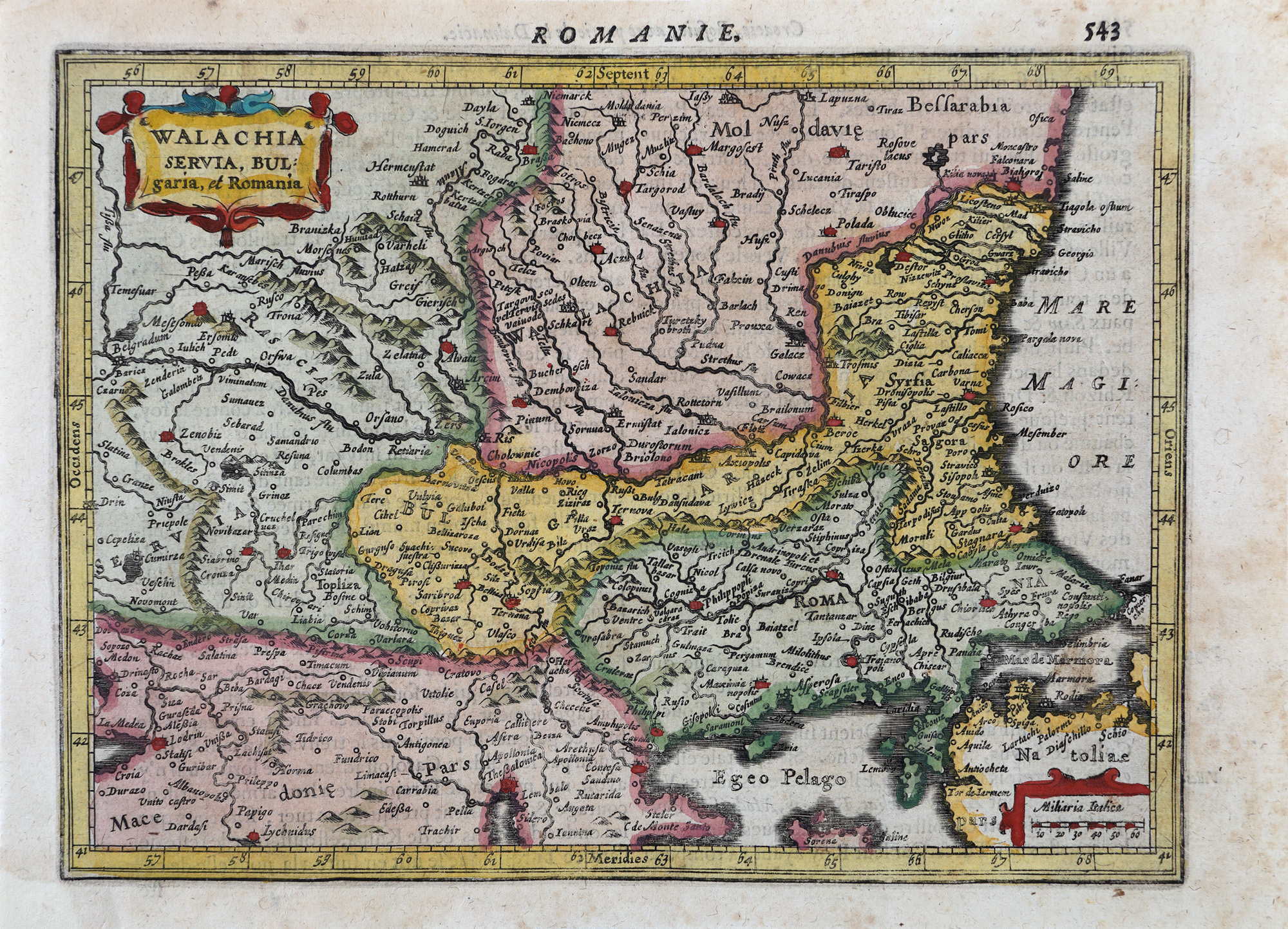
143. "Map 'Wallachia, Serbia, Bulgaria and Rumelia' by Willem Janszoon Bleau, Amsterdam, beginning of the 18th century"
Starting price:
EUR 100
Sold
EUR 250