

36. Kabuto with mempo (samurai helmet and mask), Edo period (1603-1868), collectible piece
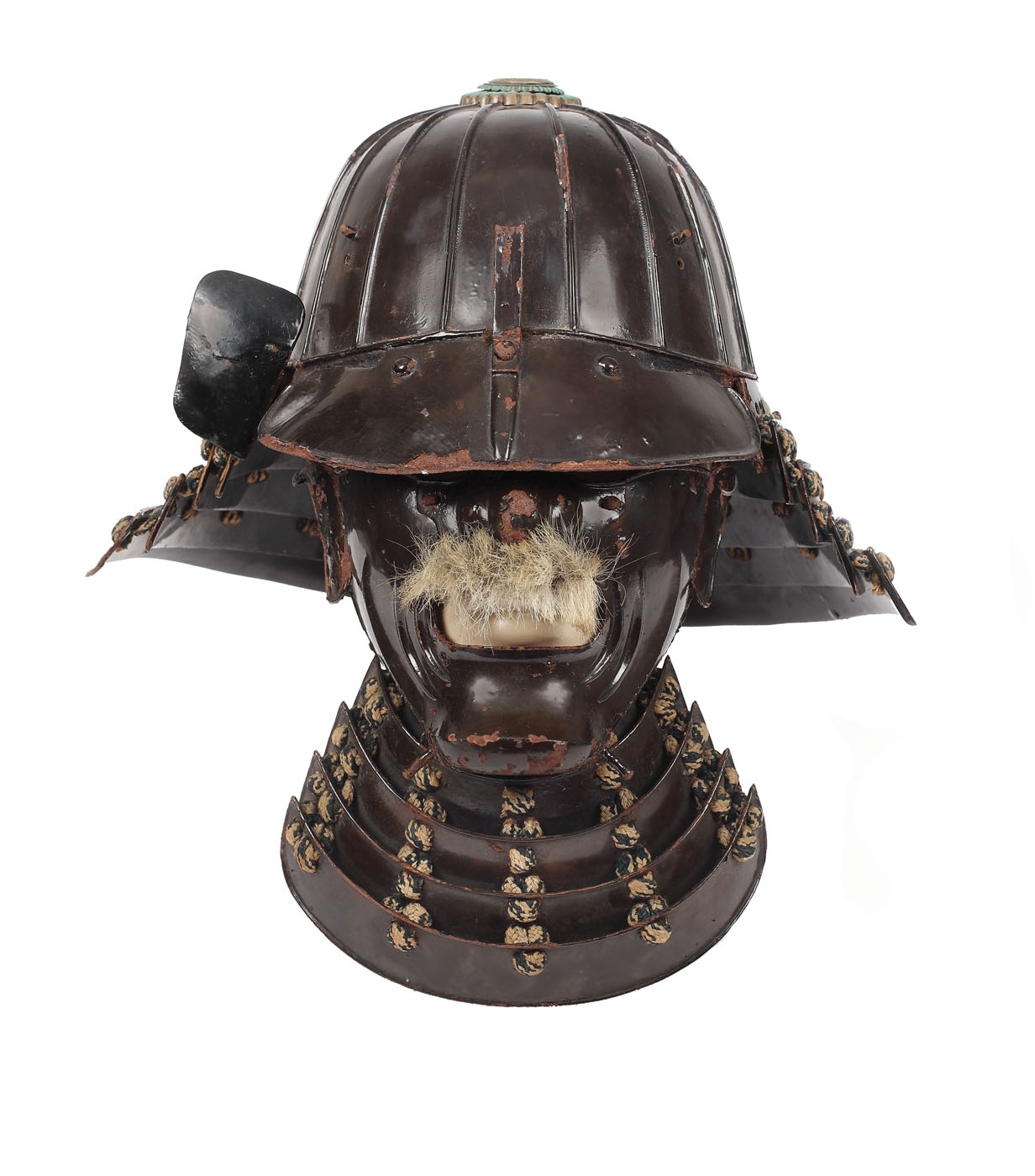
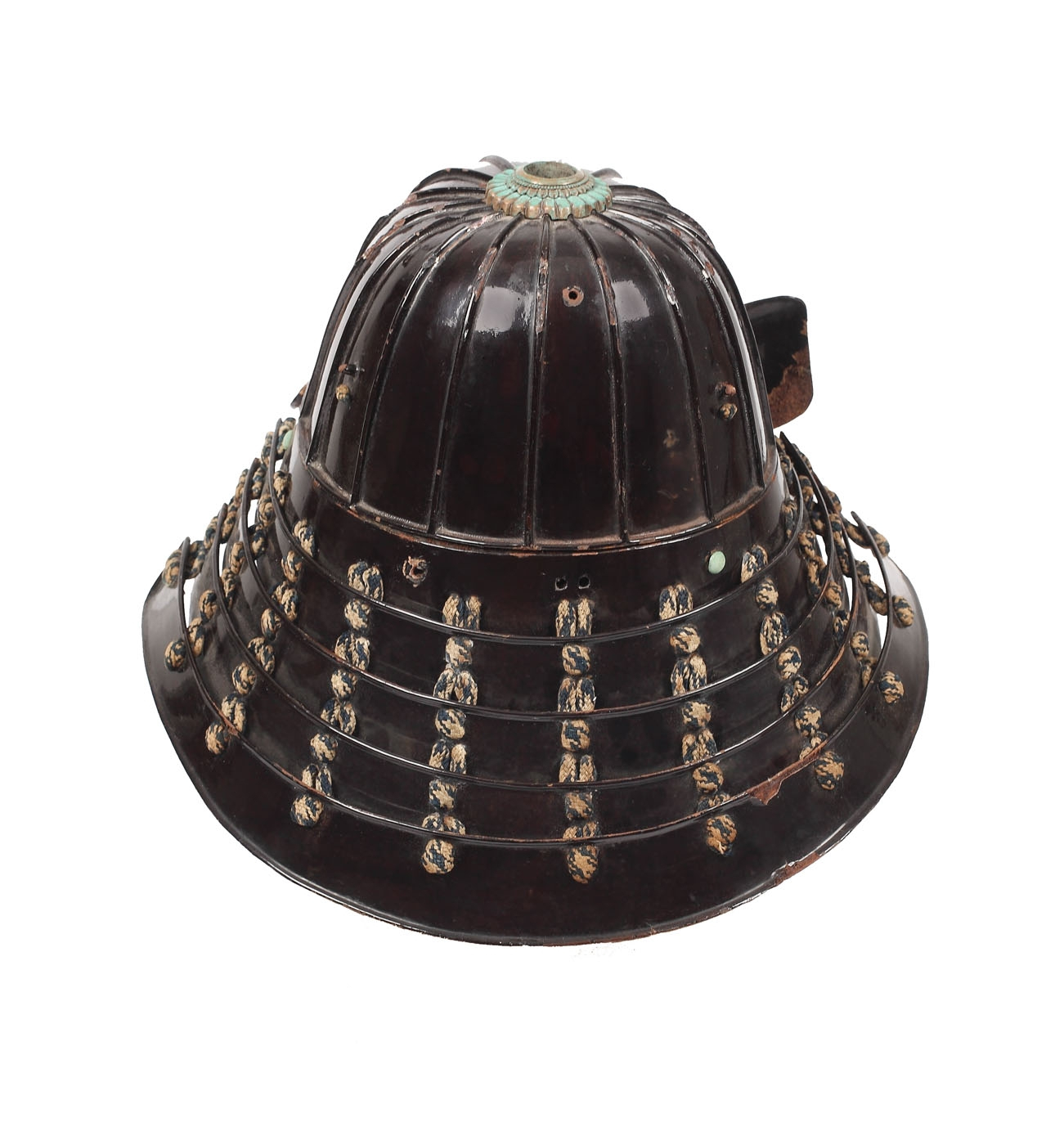
The photos of the lot are informative and indicative, and cannot provide a highly detailed view of the object from all angles. We recommend a careful physical inspection of the lot before bidding.
36. Kabuto with mempo (samurai helmet and mask), Edo period (1603-1868), collectible piece
Starting price:
EUR 2.500
Sold
EUR 5.500
steel, textile, animal hair, h=18 cm
Authentic samurai Kabuto and Mempo armour, most likely made in the second half of the 17th century, contain the distinctive elements of the most impressive piece of feudal Japanese armour. The set includes a helmet worn by the samurais in battle, called Kabuto, and the scary mask, Mempo. The two pieces are part of the same armour, since both iron and links are made of the same materials. The Kabuto is Hineno-jikoro style and presents a distinctive hachi made in Tenkokuzan style from more hagi-no-ita plates, while at the top of it, a turquoise coloured tehen kanamono can be seen. At the same time, the kabuto is also accompanied by the shikoro (the back of the helmet, designed to protect the back of the samurai's head), made of several overlapping iron blades. The menpō type mempo, which covers the face from nose to chin, is decorated with a moustache made in the traditional manner from horsehair. The mempo also presents all the distinctive elements: Odome (the mounting used to link the mempo with the kabuto), Ase nagashi no ana (a hole located under the chin, designed to facilitate the drainage of the samurai's facial sweat) and Yodare-kake (the part made from more iron plates, protecting the neck). Throughout Japanese history, Kabuto and Mempo have become distinctive elements of samurai such as Katana or Wakizashi. During a battle, if a samurai removed his Kabuto alone, meant he surrendered to his enemies.
For clarifications regarding the bidding procedure, hammer price costs, guarantee, payment, and collection terms for the winning lot, we recommend carefully reading/re-reading the Bidding Regulations.
For additional information regarding the lot and the auction, please contact the Art Consultants Department.
SESSION
Similar lots
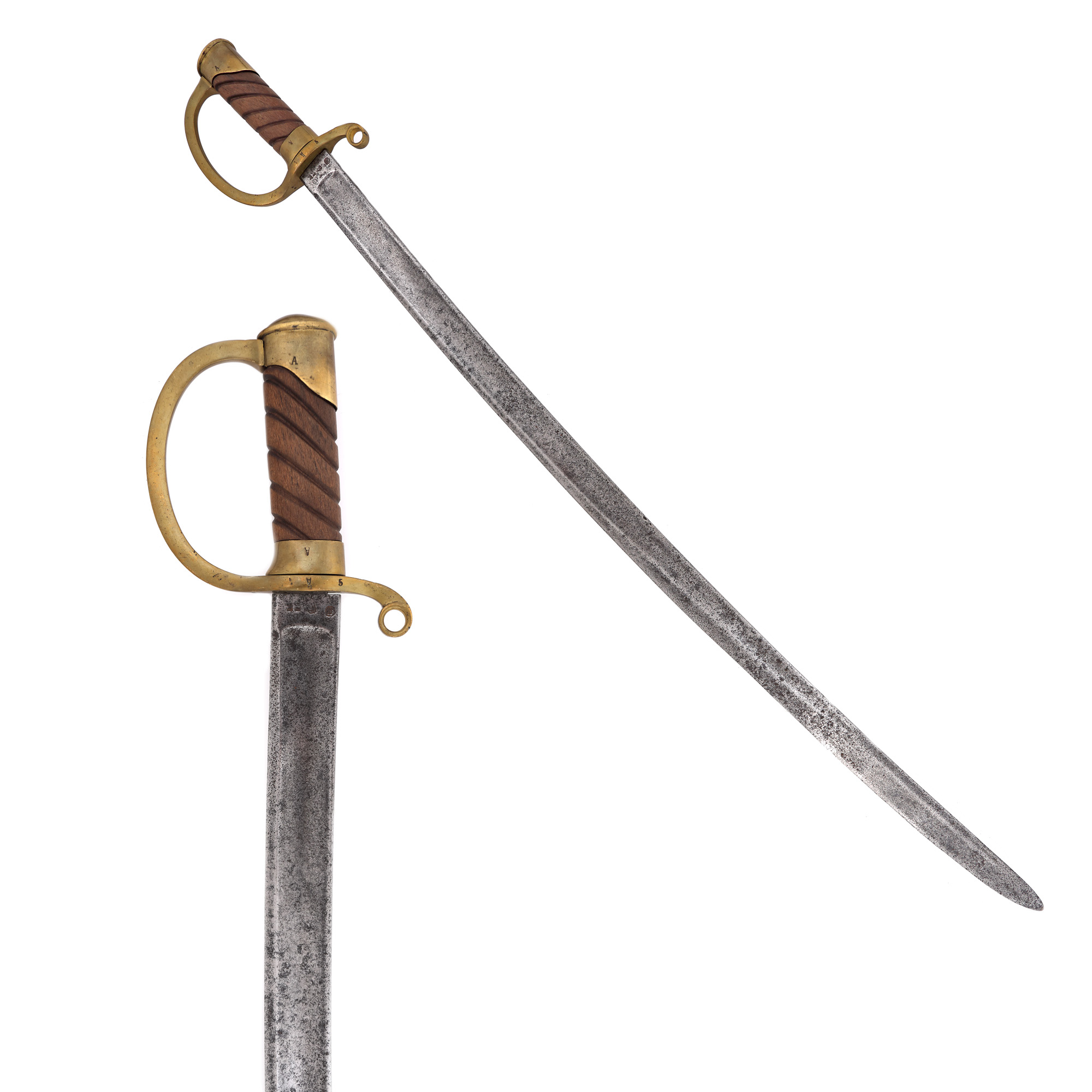
20. Shashka sword, 1881 model, Dragon Regiment, Imperial Russia, dated 1908
Starting price:
EUR 200
Sold
EUR 400
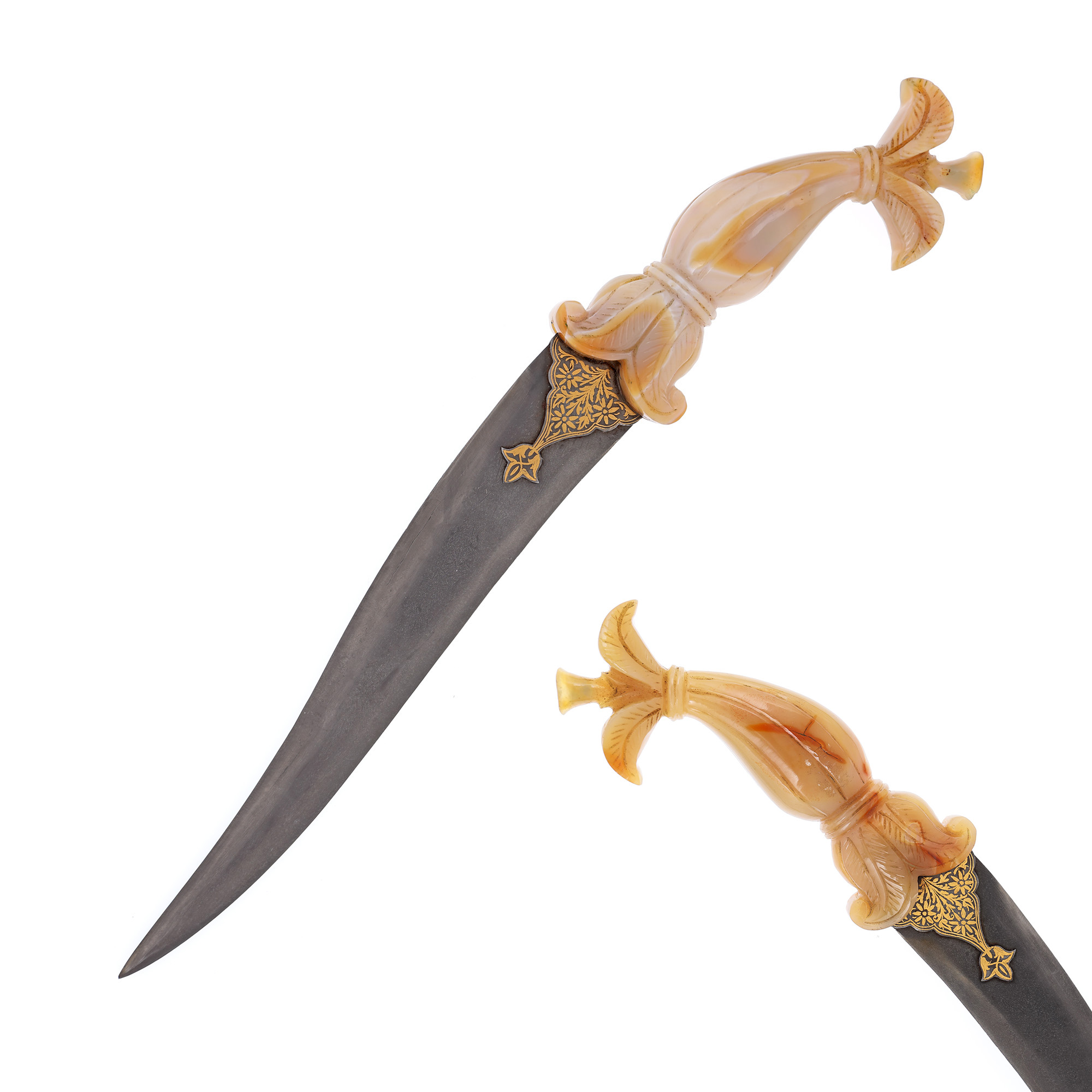
43. Khanjar dagger, with jade handle and gold-inlaid blade, Indo-Persian, late 19th-early 20th century
Starting price:
EUR 500
Sold
EUR 1.400
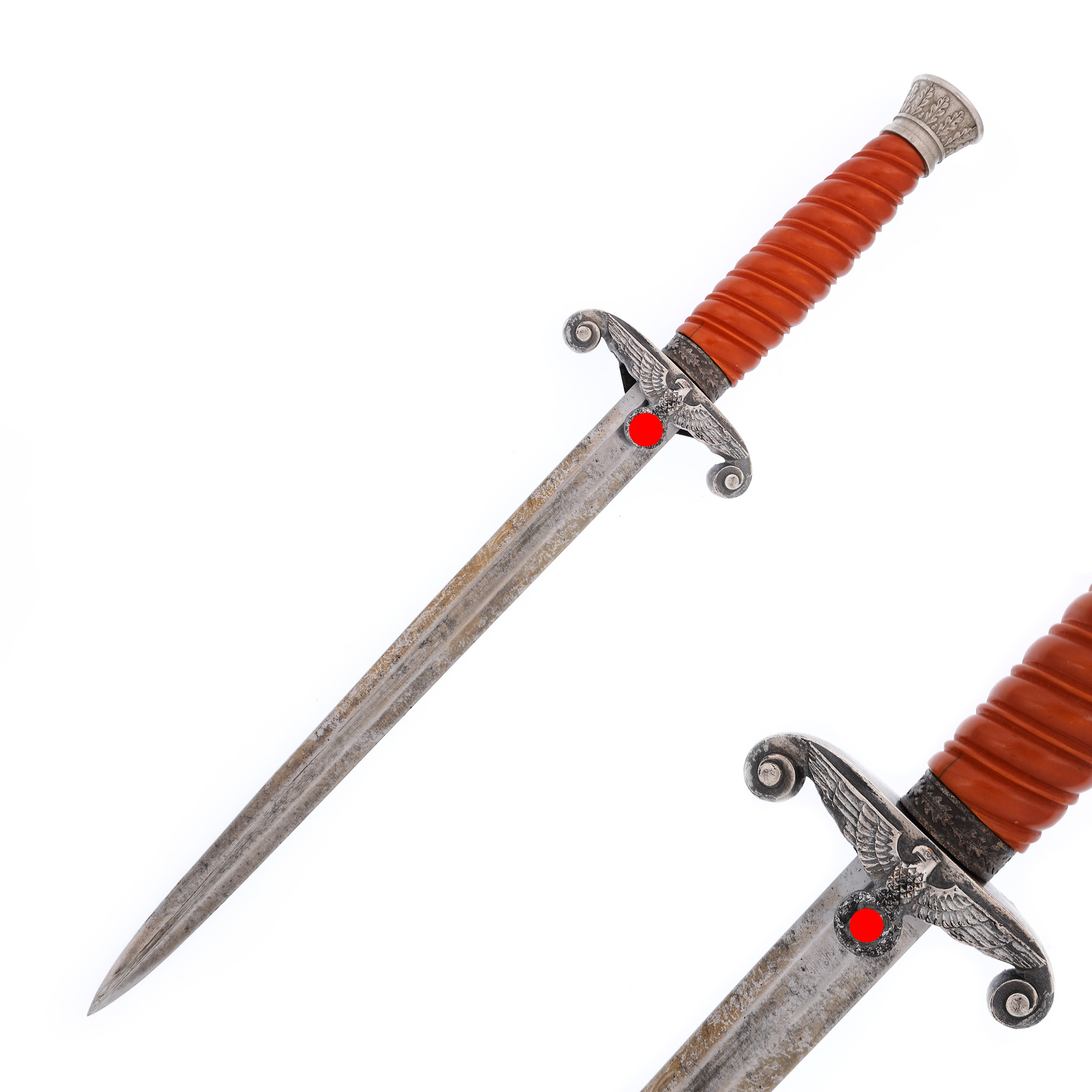
8IC. Wehrmacht Officer's Dagger, with Sheath. Nazi Germany, approx. 1935-1943
Starting price:
EUR 300
Sold
EUR 400