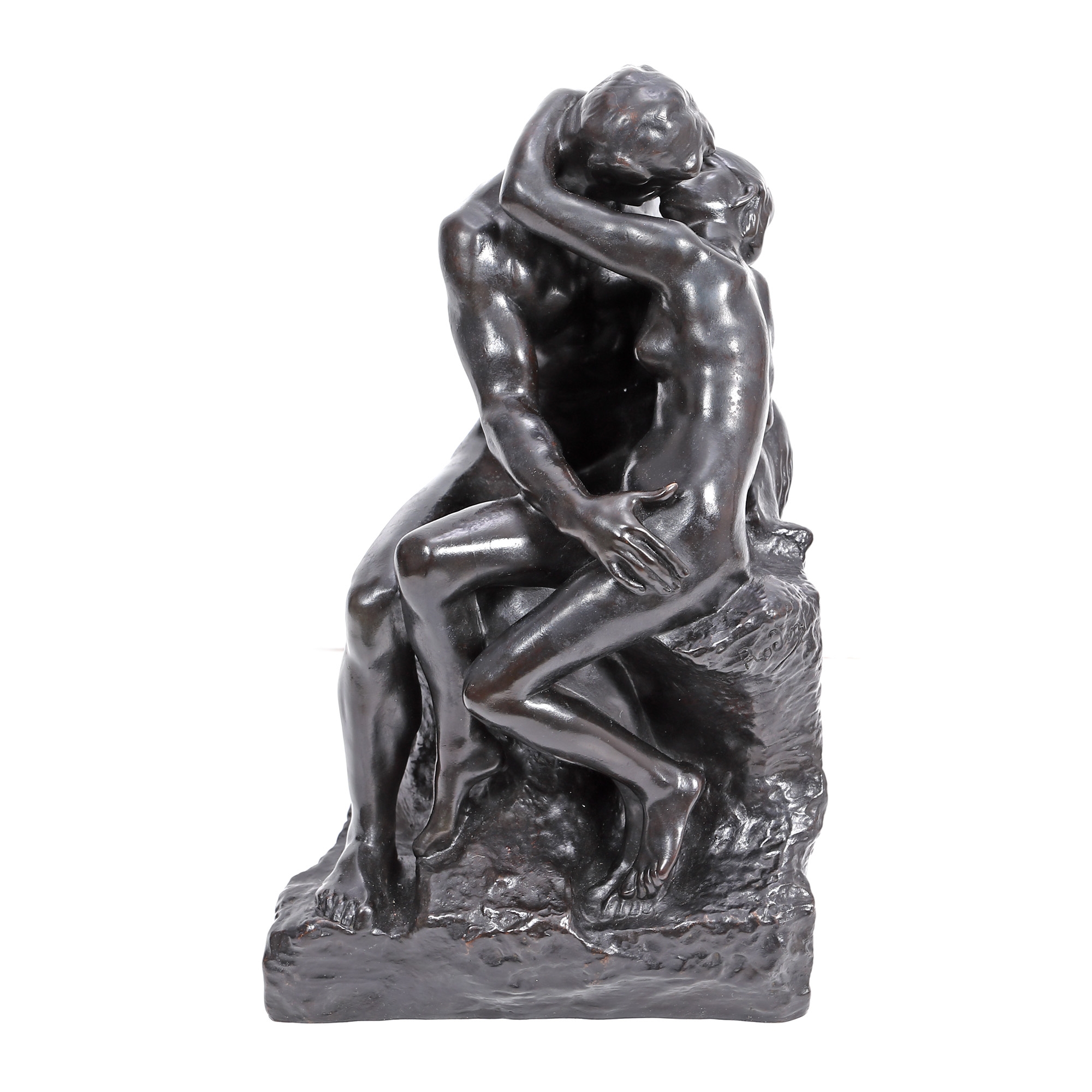
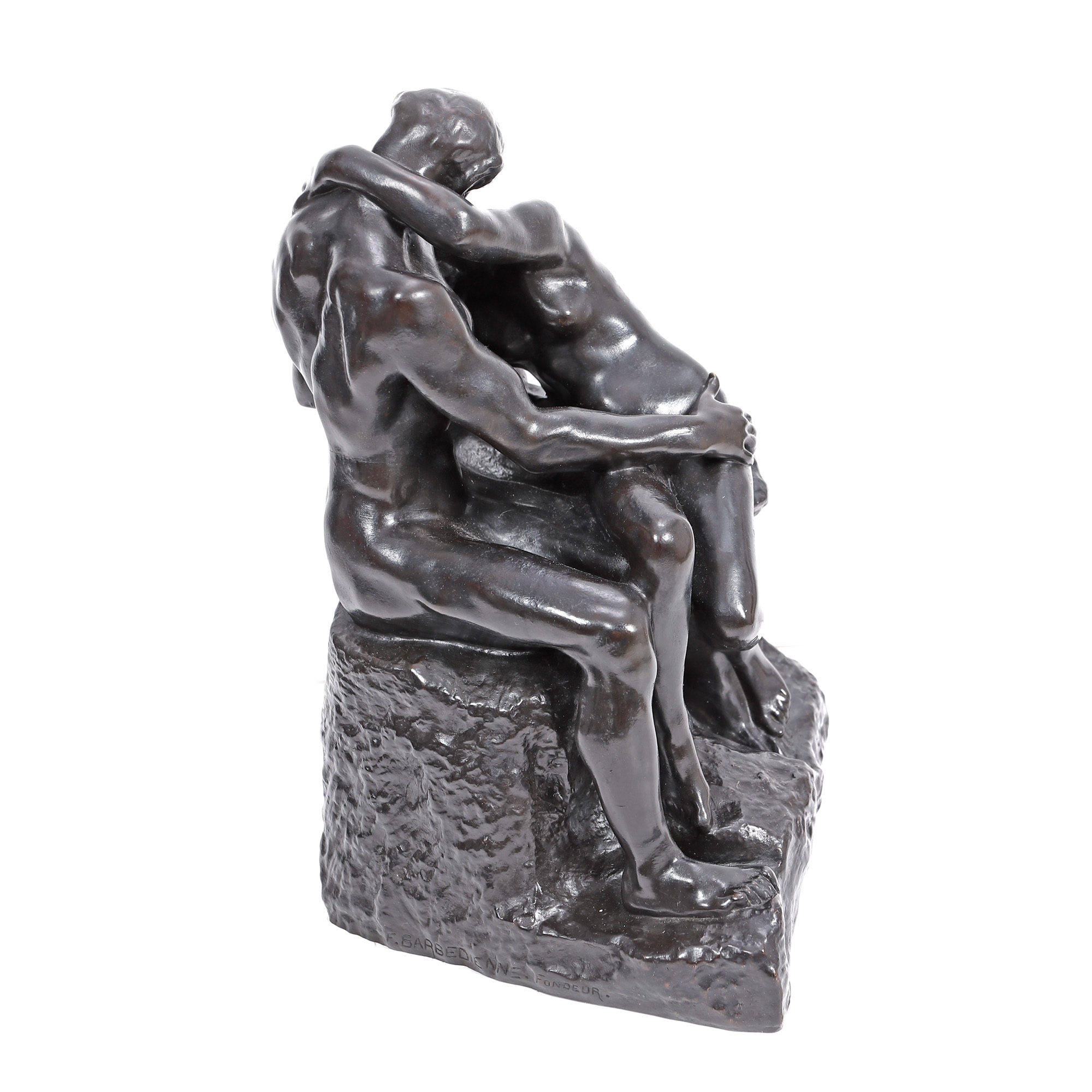
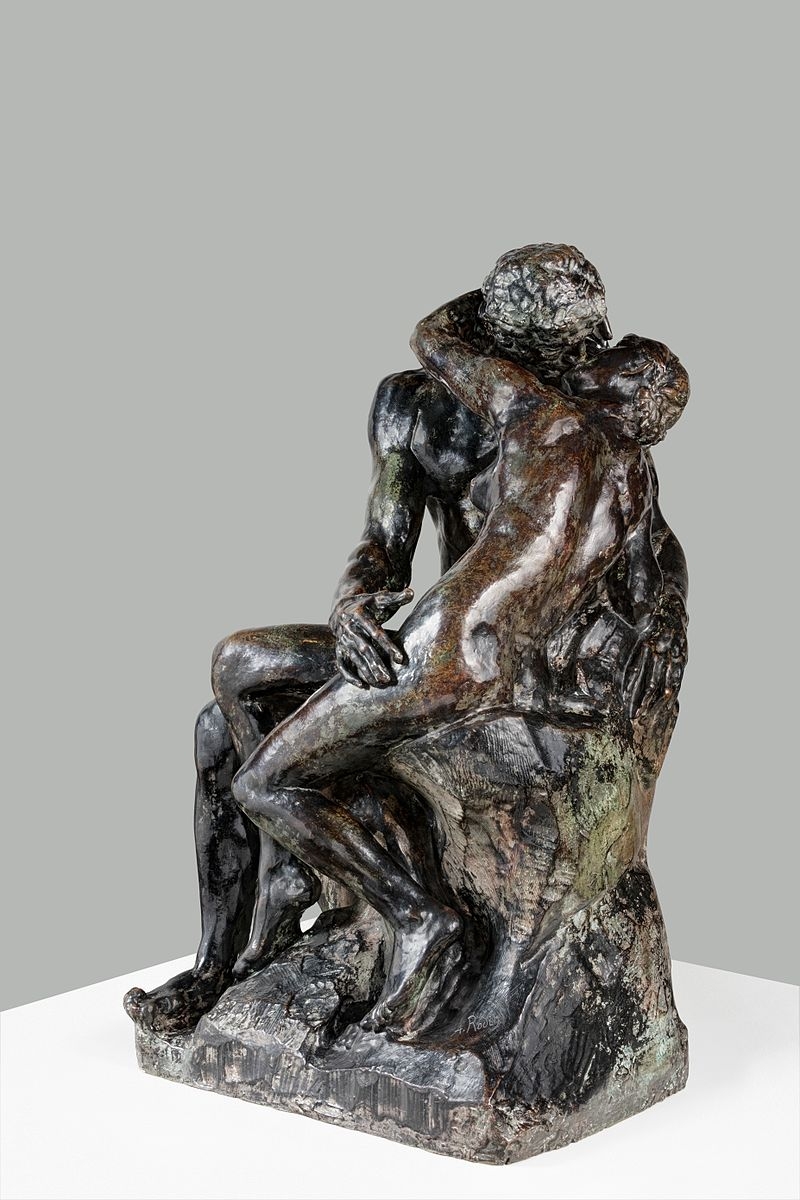
The photos of the lot are informative and indicative, and cannot provide a highly detailed view of the object from all angles. We recommend a careful physical inspection of the lot before bidding.
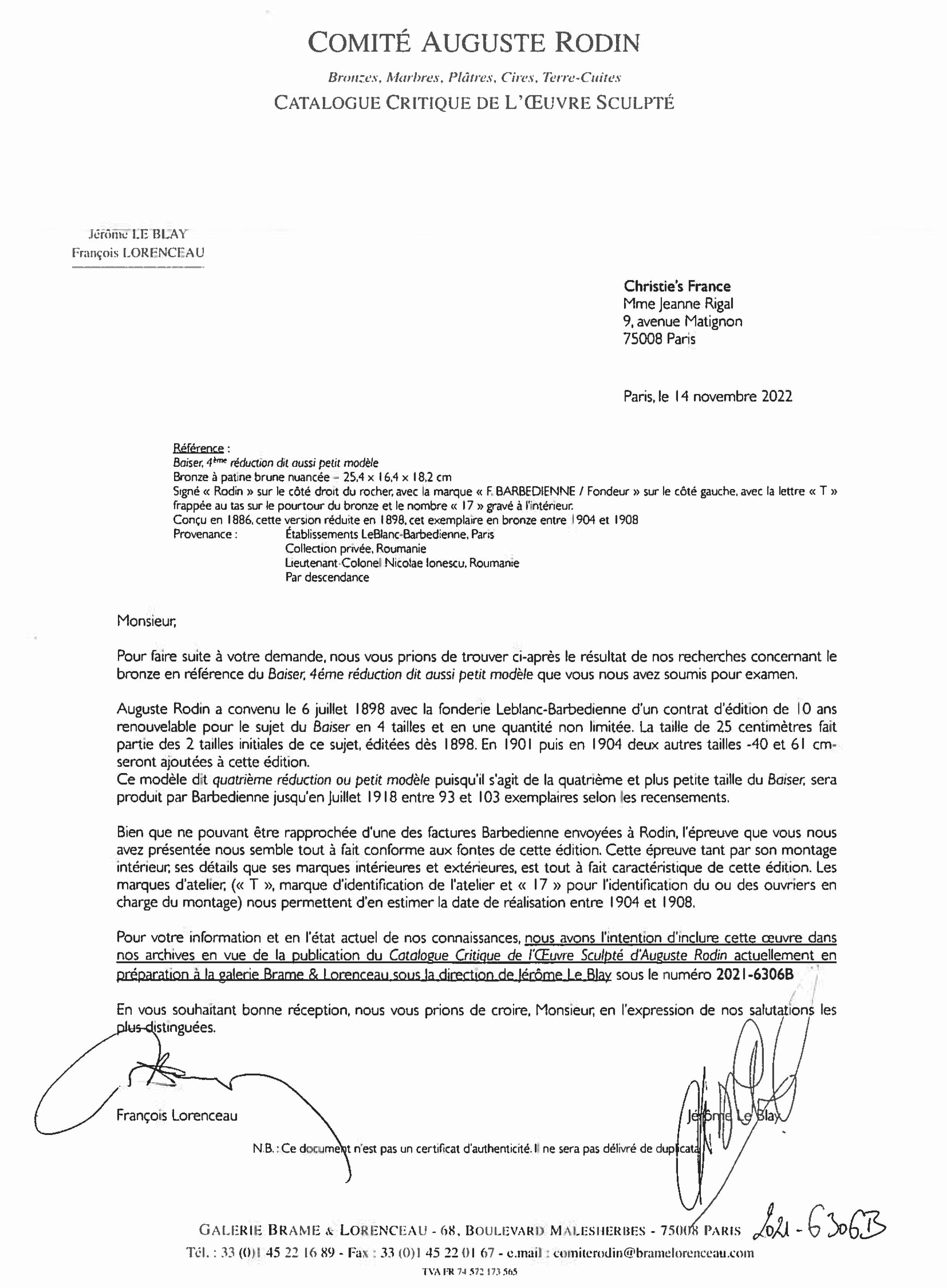
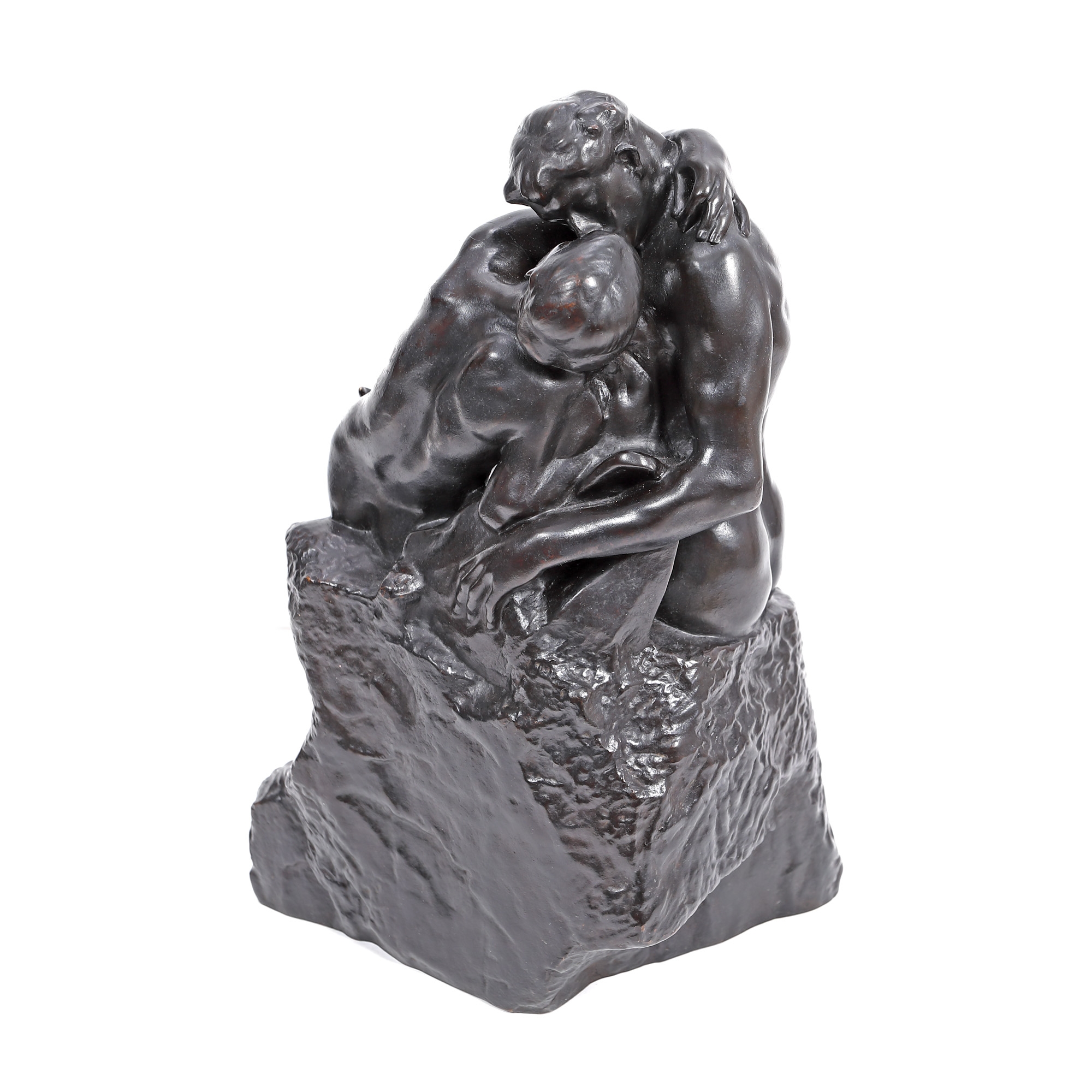
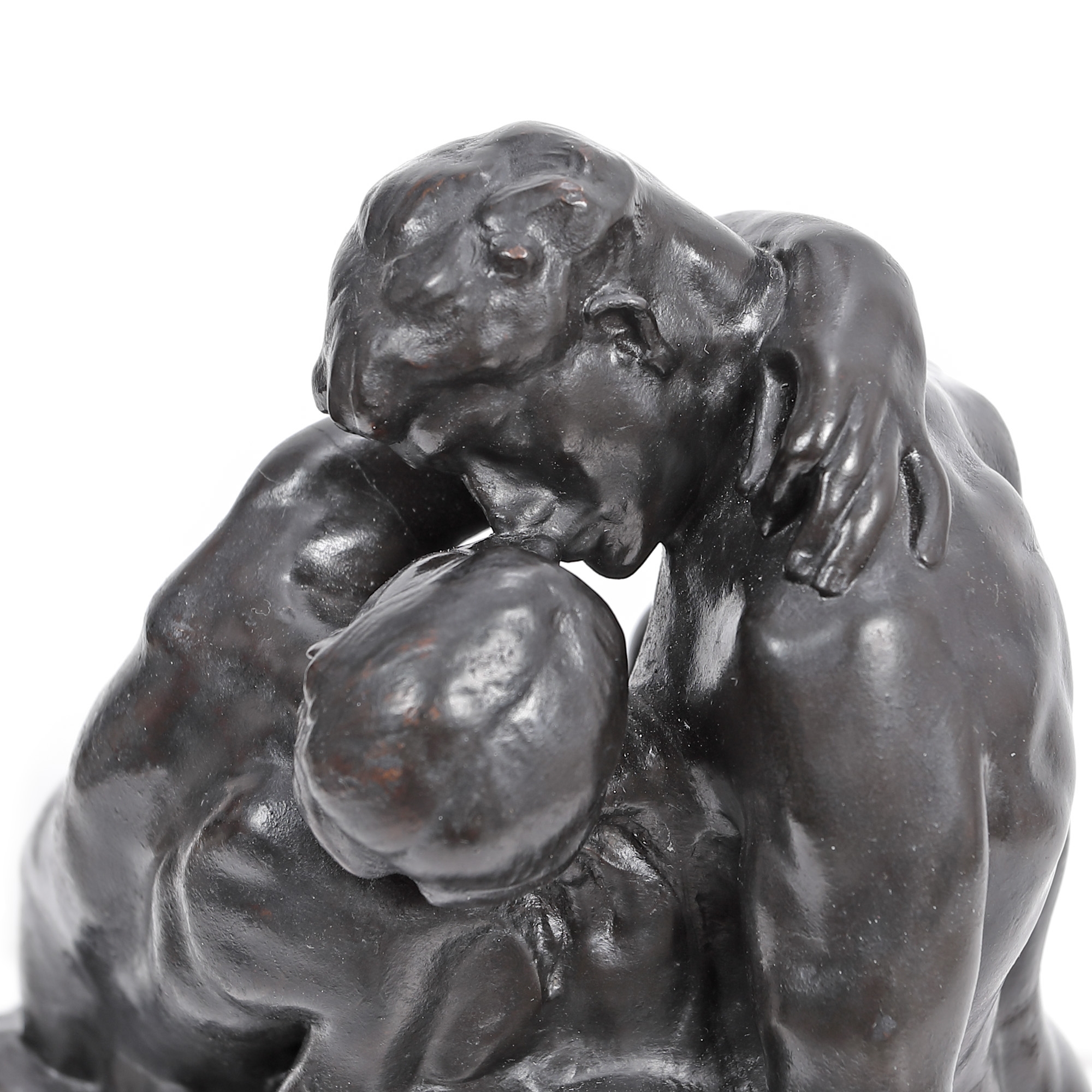
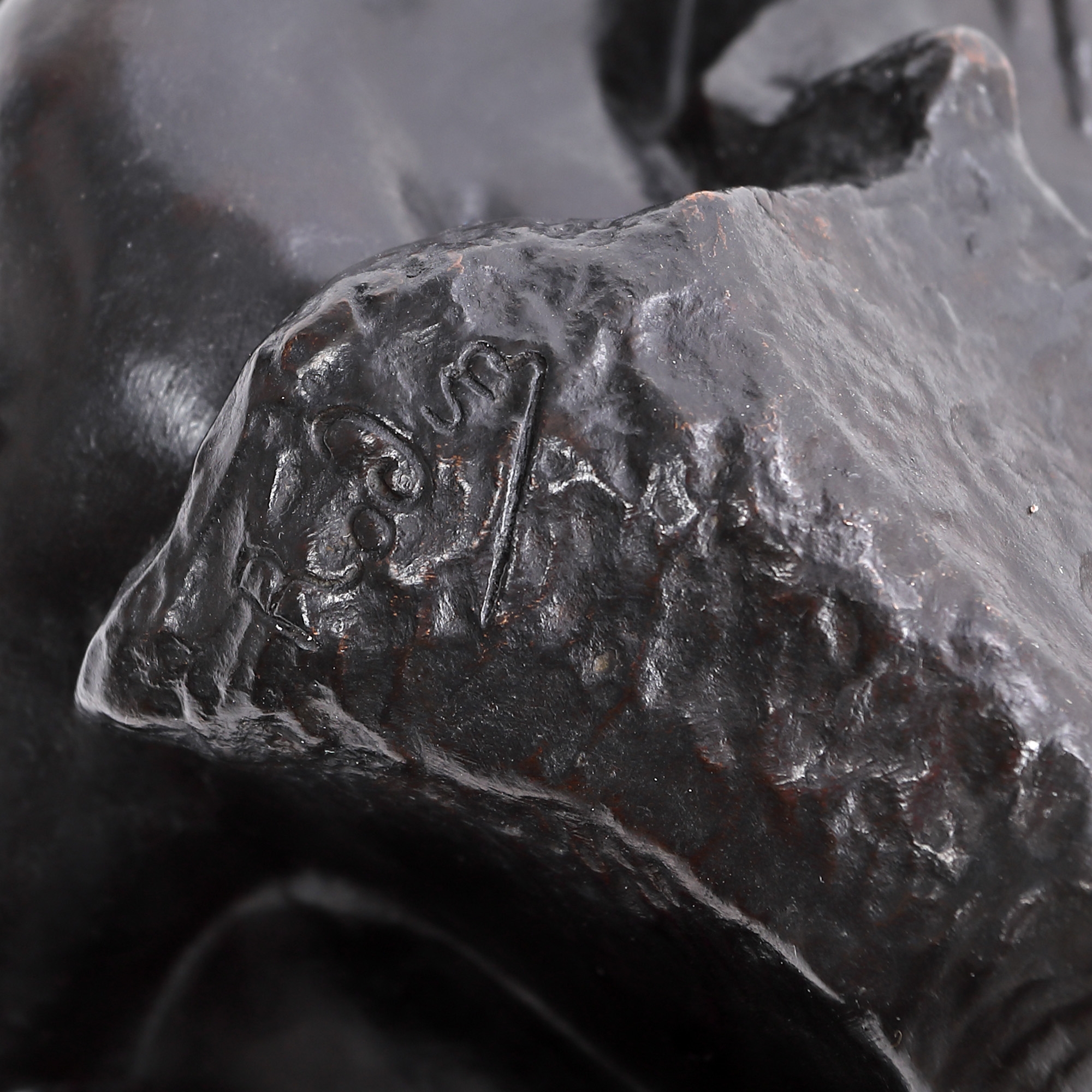
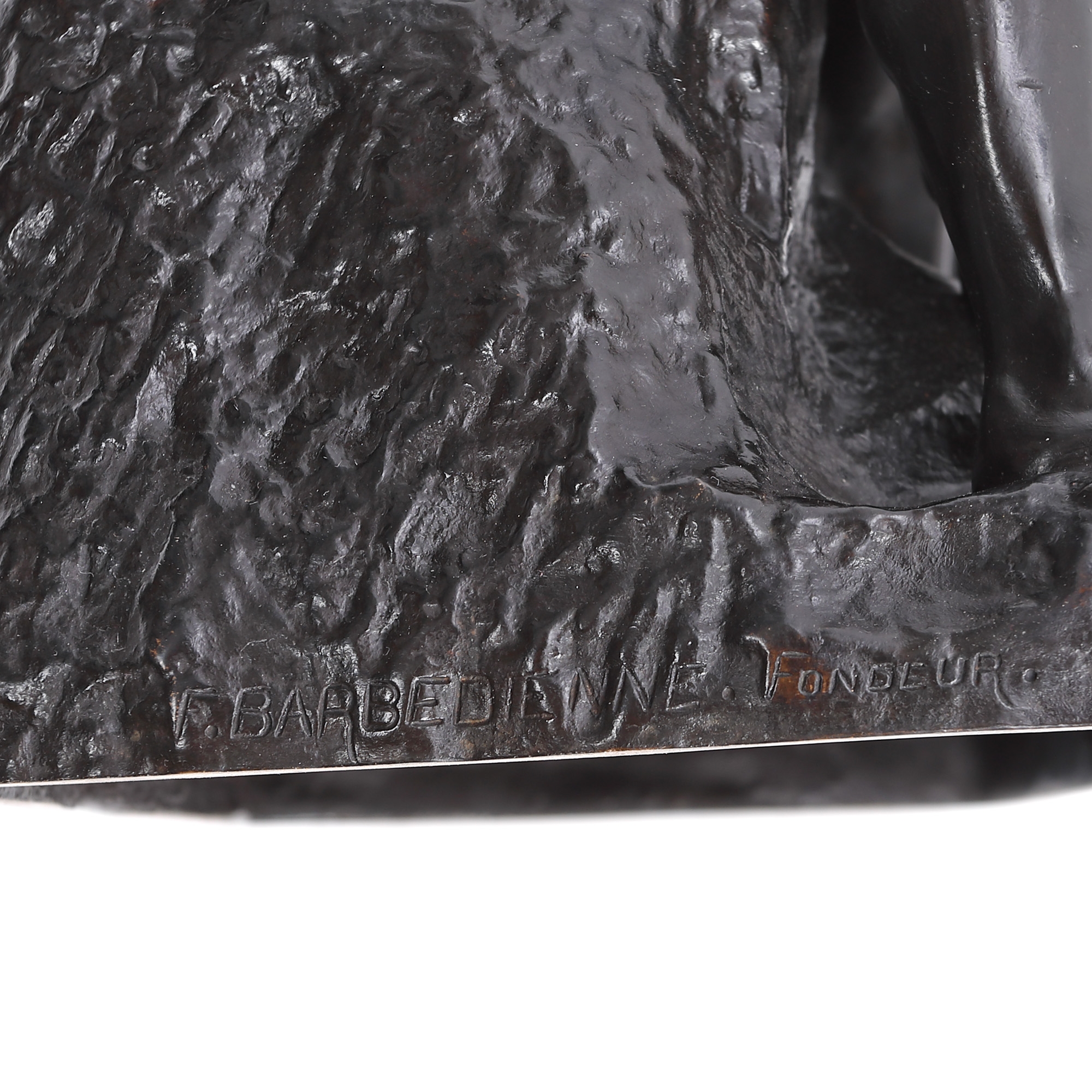
patinated bronze, 25 x 16.5 x 18 cm, signed right side, "Rodin"; mention of the foundry left side, on the base, "F. BARBEDIENNE FONDEUR"; numbered and noted on the inside, "T. 17"
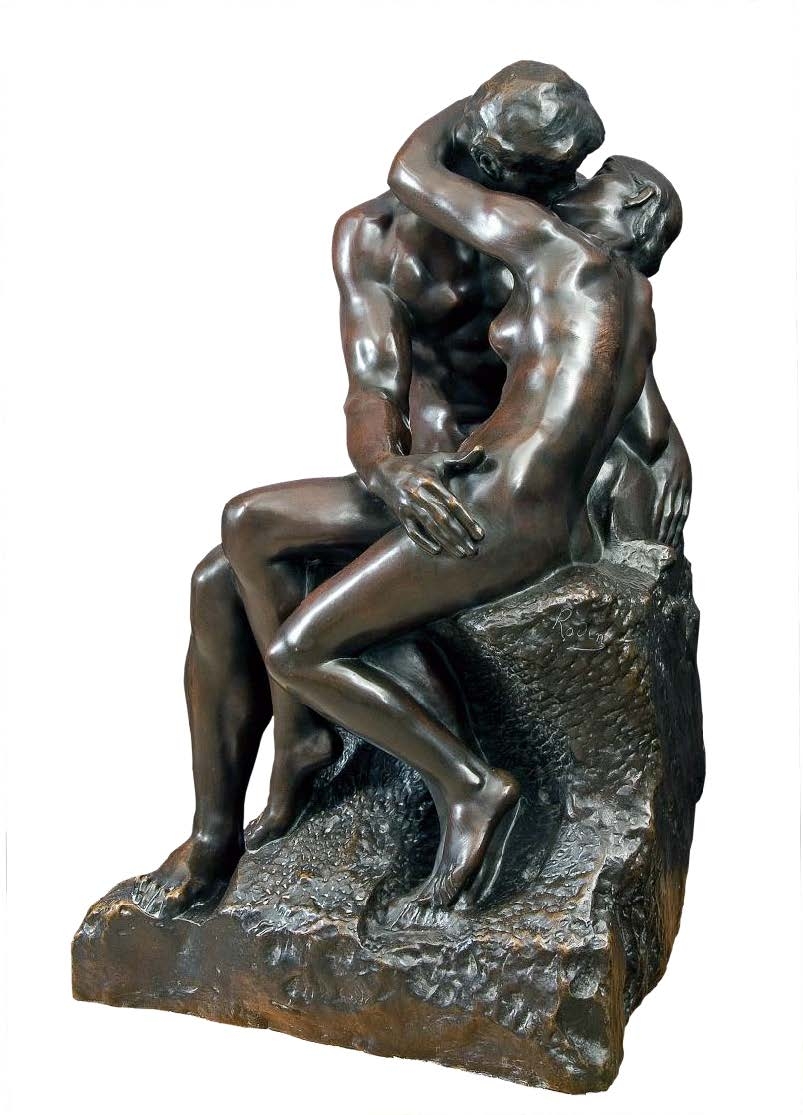
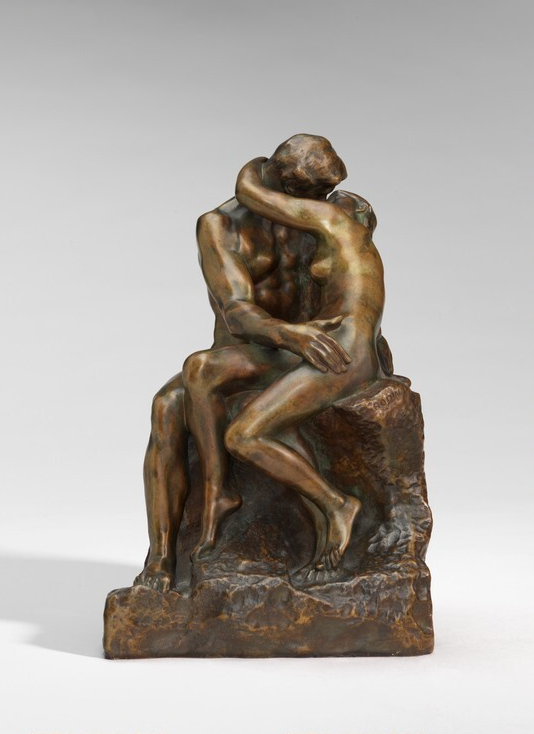
Notably famous for the sumptuous figures carved mostly in marble or bronze, Auguste Rodin is renowned as one of the most emblematic representatives of universal sculpture. Deeply influenced by traditions and myths, he will accomplish, with the skill of a self-taught artist, an art that is faithful to nature, wagering textures in close connection with reality. His path in the artistic world would be rather unusual and difficult. Although he had been manifesting artistic inclinations from a very young age, his acceptance in the French Academy of Fine Arts would be refused no less than three times. He would study literature and he would join the “Pères du Saint-Sacrement" monastic order, however, the prior of the order encourages him not to give up the artistic path. In the studio of sculptor Albert Carrier-Belleuse he would work on various mural art decorations, as well as several vase patterns and decorative ornaments. What would define his initiating itinerary, however, is his journey to Italy in 1875. In Italy he discovers Michelangelo and Donatello, whose work would save him from the canons of the Academism he had acquired in decorative art. At an age when many artists were already reaping the fruits of their work, Rodin was just staring to get noticed in the artistic world. The year 1877 coincided with his participation in the "French Artists Salon" with a sculpture representing a human silhouette. This has stirred negative reactions from critics and other artists, who accused him of having worked with a "mould of nature". However, the work would be purchased by the French state, in order to be included in what would become the Museum of Decorative Arts. The same museum would require the sculptor to create a bronze monument in the shape of gates. The creative enthusiasm would direct Rodin towards adopting certain myths and ideas from the "Divine Comedy" by Dante Aligheri. The monument would act as a baseline for the creation of other two works: "The Kiss" and "The Thinker". Initially, the first sculpture in natural size representing "The Kiss" was conceived to be placed next to the left door of the "Gates of Hell", and "The Thinker", representing Dante's portrait, was due to be placed in the upper part of the monument. Although it appears in the collective memory as one of the most renowned images of love in the history of art, the sculpture "The Kiss" has a deeply tragic significance. The couple reproduced by Rodin, representing Francesa da Rimini and Paolo Malatesa, are inspired by Dante Aligheri's "Inferno". Captured during their first kiss by Francesca's husband himself, the two lovers would be killed and condemned to spend eternity in hell. The moment of maximum intensity between the two lovers is yielded by reading the romantic story between Lancelot and Guinevere, a detail that the artist insisted to include in his work, by sculpting that specific book in Paolo's hand. Although in Dante Aligheri's book, Paolo is the one who initiates the kiss, for Rodin the power play changes. Francesca is represented while rising her body towards her partner, as if she invited him to hold her in his arms. The book, sculpted as slipping away from Paolo's hand, reveals his surprise in front of the unexpected gesture by the feminine character. The book is immortalised while falling, with its pages still wide open, yet pressed by Francesca's body weight. The young man's passion, combined with his restraint, are locked within a touch of particular tenderness, where the young lady's thigh is barely uncovered by her partner's fingers. Rodin captures within an instant, the moment when the couple's lips are on the verge of an encounter. Having received a very high appreciation from the critique, the artist would create several reproductions, the first of them being executed especially for the Exposition Universelle in Paris in 1889. During the sculpture's execution, Rodin has focused both on the lust between the two intertwined bodies, as well as on the accurate representation of the kiss itself. Fluidly moulded and burning with desire, the couple is locked in a space beyond time, an idyllic space, where supple and elegant bodies coexist in antithesis with the toughly carved stone. The artist has also achieved a series of sculptures describing the figures of important personalities. The meeting with Camille Claudel, the wife of poet Paul Claudel, opened new sculptural horizons for Rodin. The young lady, who has been his life partner for two decades, also served him as a model. Amongst the important figures he achieved, we mention Victor Hugo and Honoré de Balzac.
At an international level, there are two museums totally dedicated to the artist's creation. In Paris, France, there is the famous "Musée Rodin", a museum which opened its doors to visitors in 1919, two years after the artist's passing. The museum includes the hotel which served him as a studio, its surroundings, but also the Villa des Brillants at Meudon, which was his home during the last part of his life. In the United States of America, in Philadelphia, the "Rodin Museum" received its first visitors in 1929, hence becoming the home of the greatest Rodin collection worldwide, after the Paris museum. Just like other works which enjoy a broad public appreciation in the most diverse geographical areas, also the reproductions after the sculpture "The Kiss" which were moulded throughout time are exposed within the collections of various important museums worldwide. Among these, we mention the Rodin Museum in France, the Philadelphia Art Museum, the terrace of the Musée de l'Orangerie in Paris, the Soumaya Museum in Mexico City, the Ny Carlsberg Glyptotek in Denmark, the Washington National Art Gallery, the North Carolina Art Museum or Great Britain's Tate Modern. Following a contract signed by Auguste Rodin himself, the achievement of four reductions after the original sculpture was established. The present work is part of the fourth reduction, produced by the Leblanc Barbedienne foundry between 1904 and 1908, being the 17th of the approximately 100 reproductions executed at that time. In 2018, one of the most important auction houses in Britain managed to sell the sculpture for no less than 14 million Euros, consequently increasing the value of all the other specimens present on the market. In Romania, Rodin was included in the collection of various important personalities, amongst which Queen Elisabeth of Romania, journalist and politician Ioan Kalinderu, as well as Lieutenant-Colonel Nicolae Ionescu.
For clarifications regarding the bidding procedure, hammer price costs, guarantee, payment, and collection terms for the winning lot, we recommend carefully reading/re-reading the Bidding Regulations.
For additional information regarding the lot and the auction, please contact the Art Consultants Department.
By choosing "Accept all cookies" you agree to the use of cookies to help us provide you with a better user experience and to analyse website usage. By clicking "Adjust your preferences" you can choose which cookies to allow. Only the essential cookies are necessary for the proper functioning of our website and cannot be refused
Cookie settings
Our website stores four types of cookies. At any time you can choose which cookies you accept and which you refuse. You can read more about what cookies are and what types of cookies we store in our Confidentiality Policy.
are necessary for technical reasons. Without them, this website may not function properly.
are necessary for specific functionality on the website. Without them, some features may be disabled.
allow us to analyse website use and to improve the visitor's experience.
allow us to personalise your experience and to send you relevant content and offers, on this website and other websites.