
The photos of the lot are informative and indicative, and cannot provide a highly detailed view of the object from all angles. We recommend a careful physical inspection of the lot before bidding.
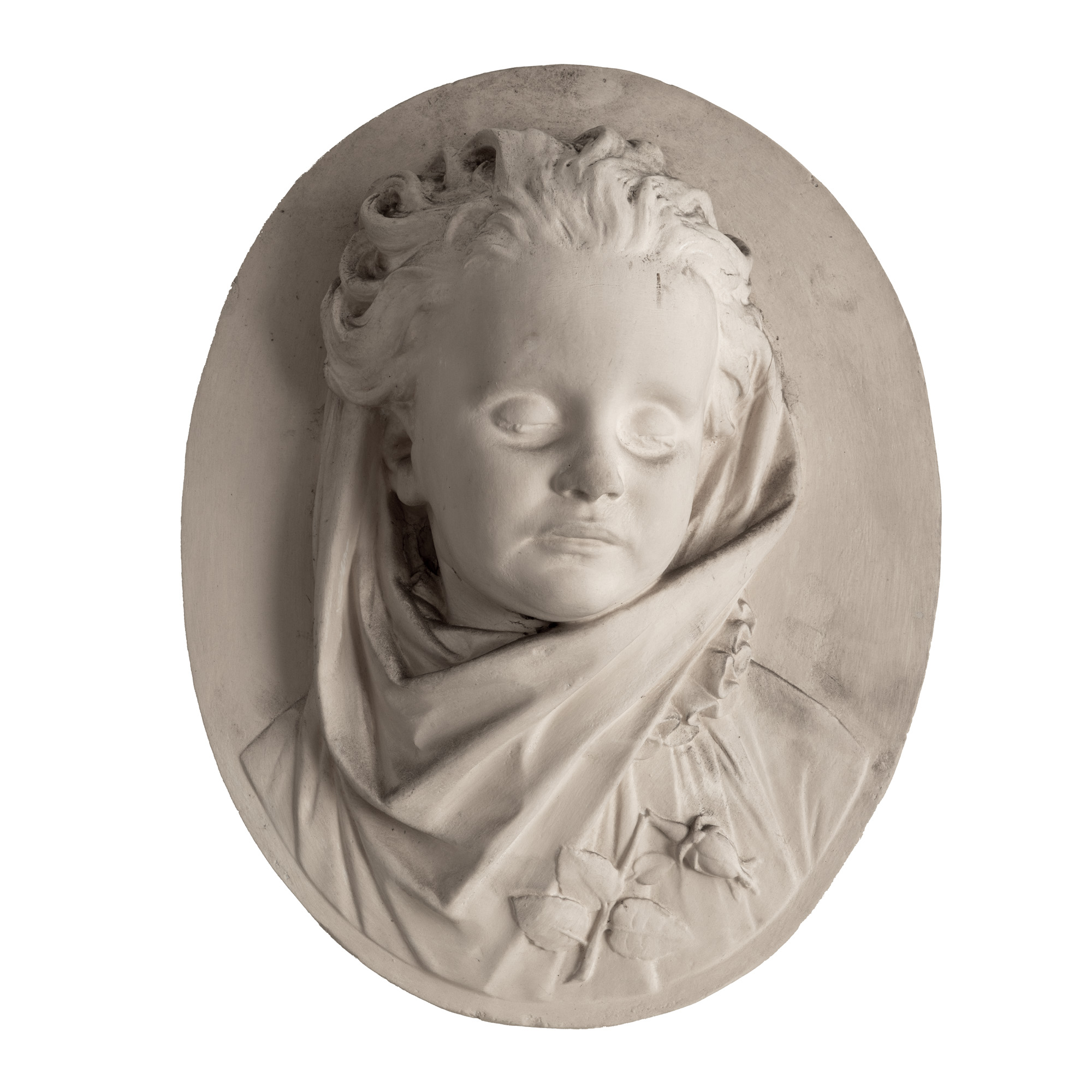
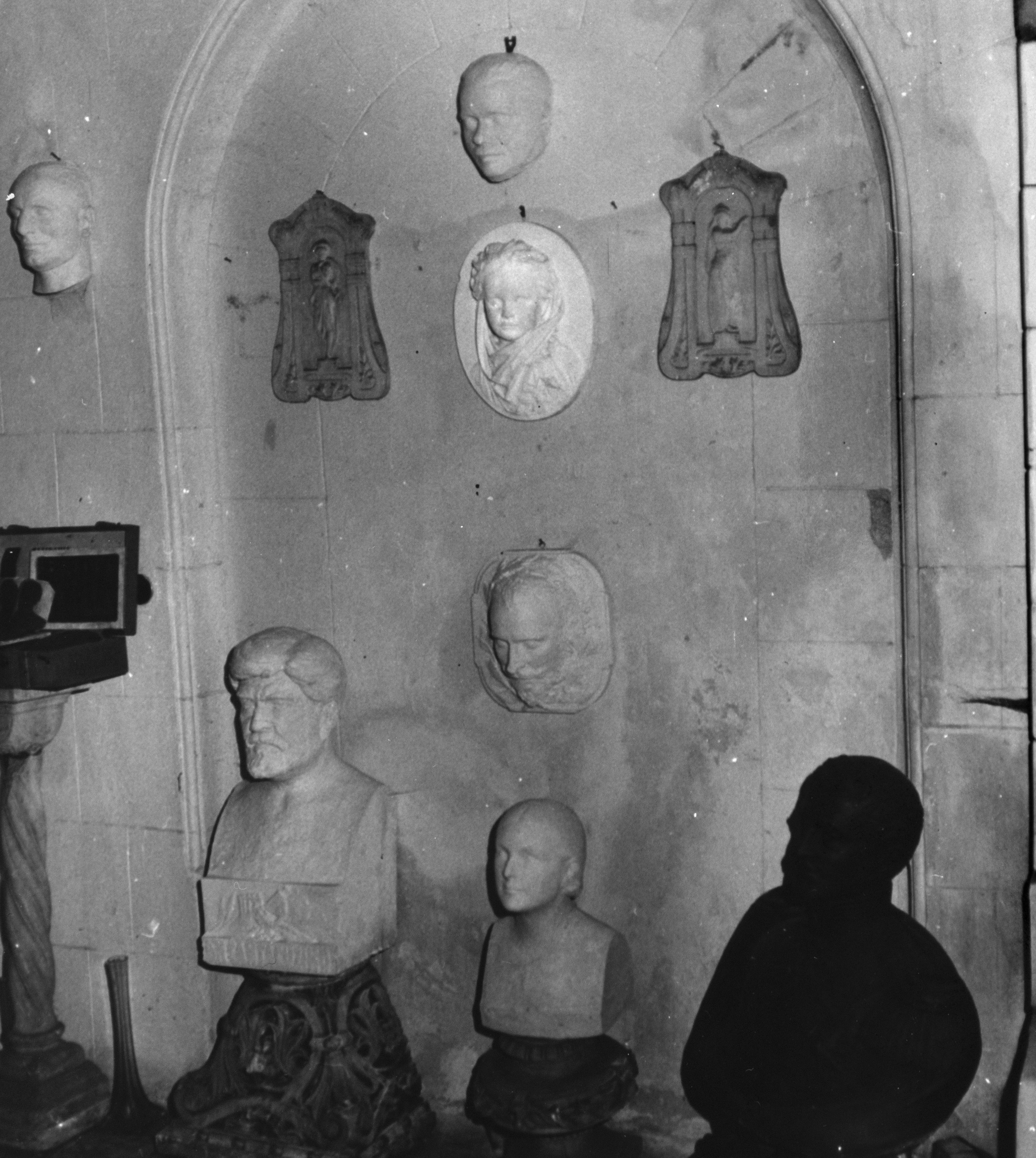
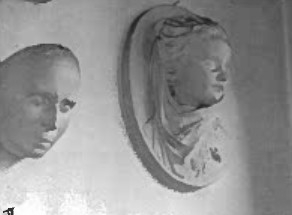
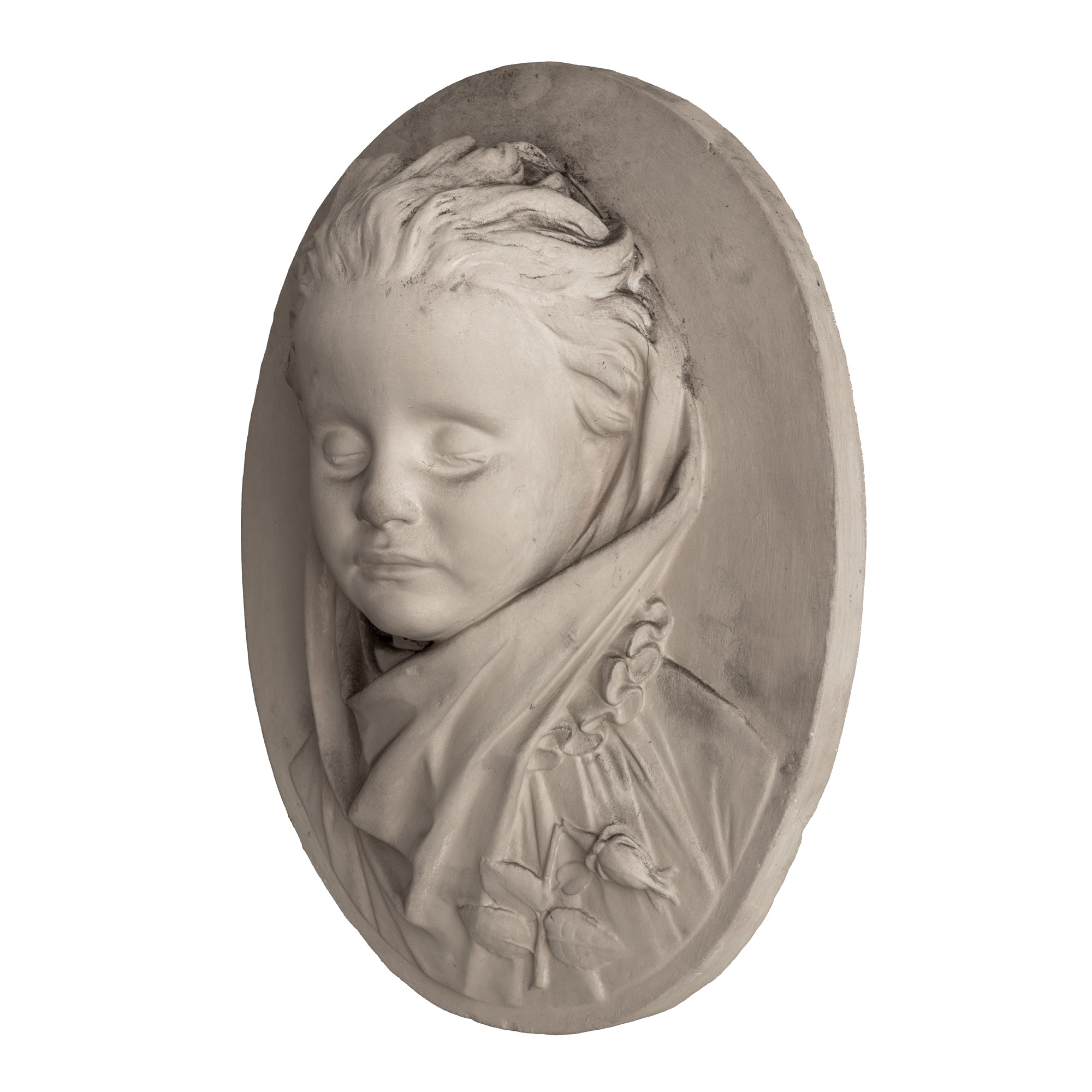
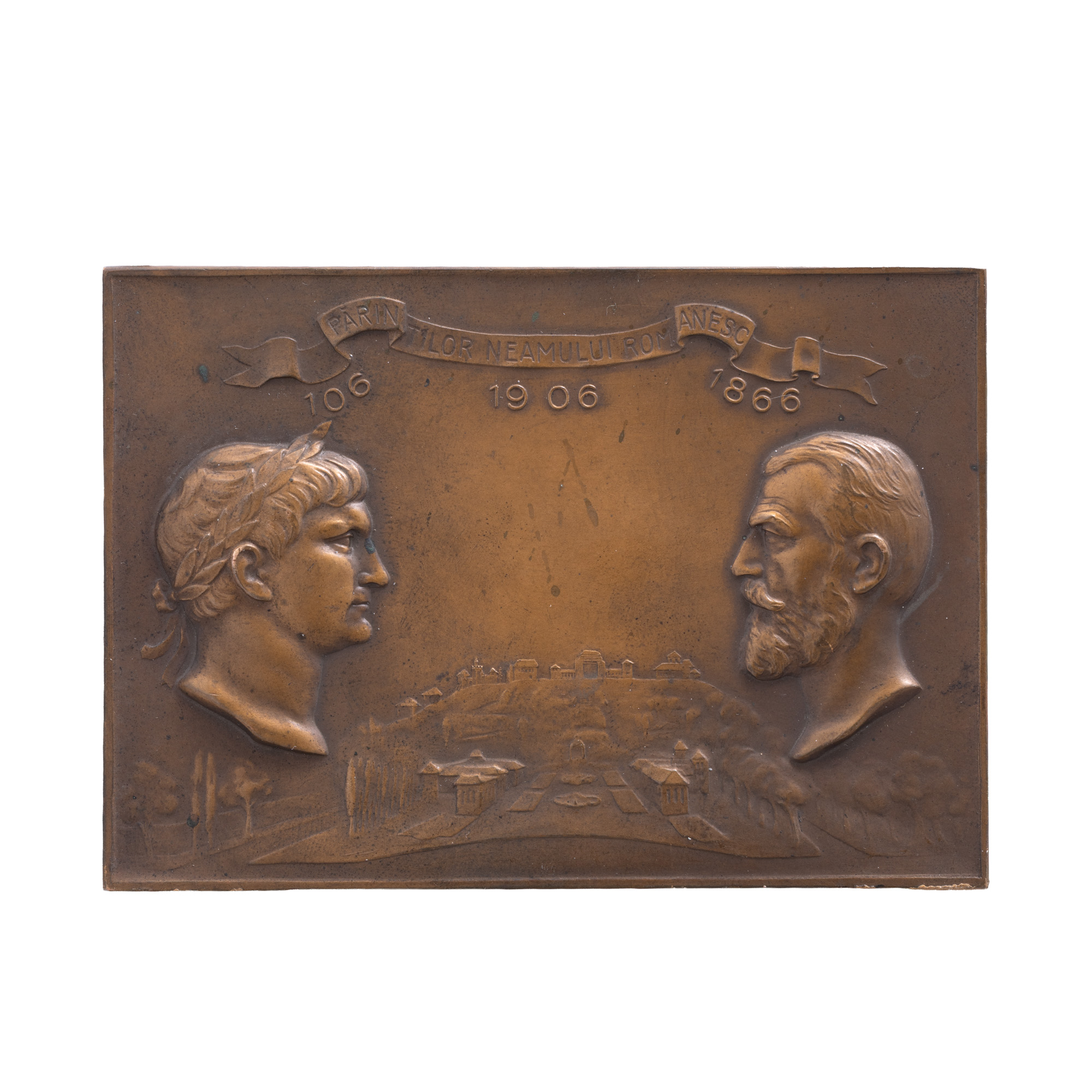
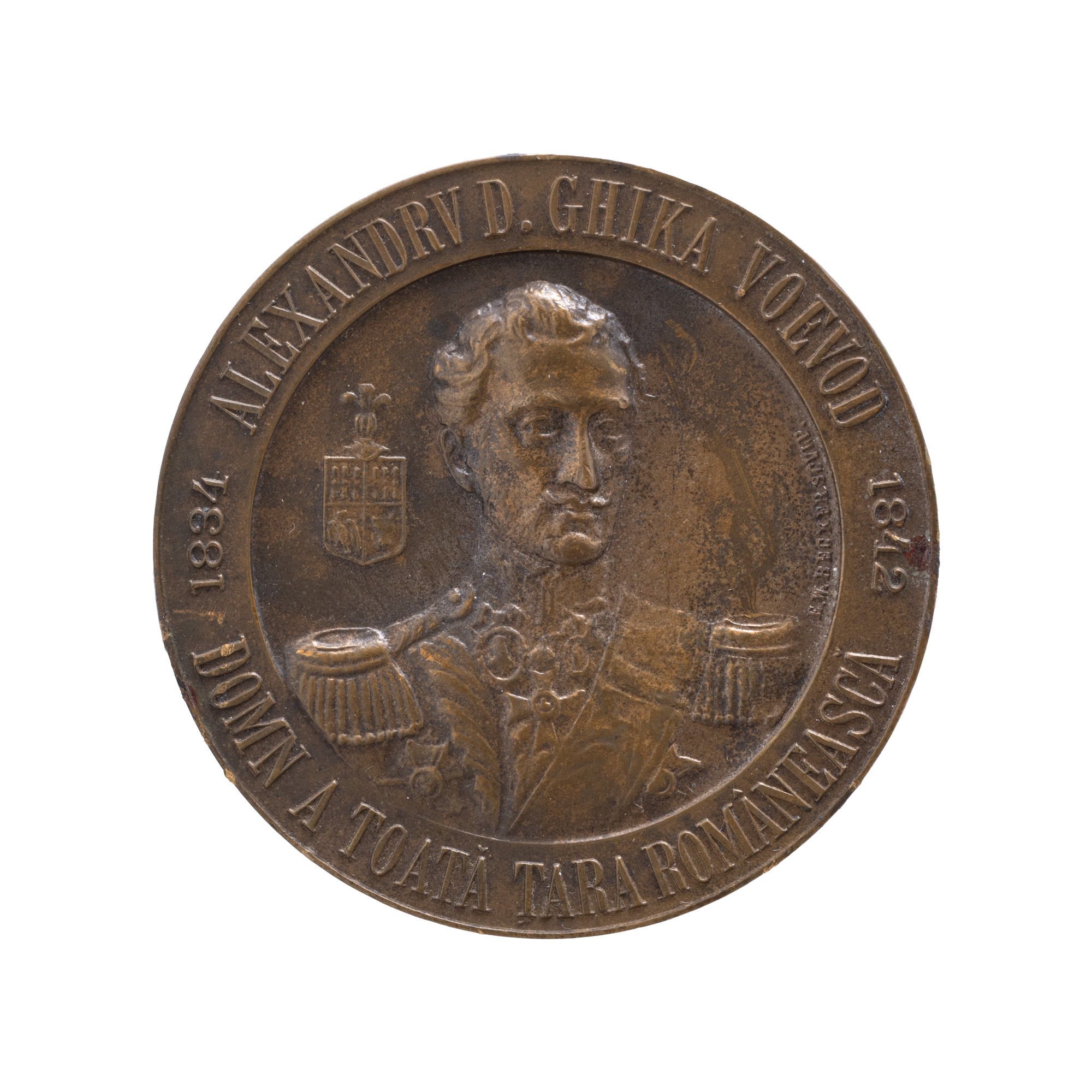
Wilhelm Becker stood out as an exceptionally prolific artist, creating numerous works of art, medals, and plaques inspired by historical, cultural, and military themes throughout his life. These reflect both his technical talent and deep interest in the events and personalities of his era. Particularly impressive is his collection of death masks, a valuable artistic and historical document. Becker made casts from the faces of prominent personalities, accurately capturing their features and expressiveness. Among the immortalized figures are Ion C. Brătianu, Take Ionescu, Octavian Goga, and Queen Maria of Romania, who played essential roles in Romania's political and cultural life. In these works, Becker not only created highly valuable artistic works but also contributed to preserving the memory of important historical figures. Among the death masks he made is that of Princess Măriuca. Princess Maria of Romania was the only child of King Carol I and Queen Elisabeta of Romania. Noted from childhood for her early intellectual development, she contracted scarlet fever during an epidemic and died at the age of only three and a half. The death mask shows the delicate face of Princess Maria of Romania, made in plaster, capturing faithfully the childlike features: the smooth forehead, closed eyes, and thin, sharply outlined nose suggesting an expression of peace and serenity.
This is not exactly a mask, but rather a small portrait modelled in plaster, made from a photograph of Princess Măriuca on her deathbed from April 1874.
Death masks have always been of interest due to their expressive capabilities and their rich symbolism regarding secular rituals. They ensured the protection of the spirit and recognition in the afterlife. The plaster is placed on the face of the deceased to capture the features, and then constructed from various materials. Death masks are ritual objects of significant historical and cultural importance, used in various ancient civilizations to cover the face of the deceased. They transcend simple physical representation, being a blend of art, religious belief, and ancient technology of memory preservation. These represent castings, usually made of wax or plaster, made after a person's face, serving as their "last face" on earth and a physical testament to their existence. In Europe, death masks began to be used to create funeral effigies. They allowed sculptors to create faithful portraits of kings and nobles, even if they died far from their burial site. Today, death masks are considered heritage pieces. While they induce mixed feelings, they offer a direct link to historical figures' actual physiognomy and are rarely displayed due to their intimate nature and the strong emotion they convey.
References
GHILIA, Liliana, Funerary Masks from the Heritage of the Bucharest City Museum, https://bmim.muzeulbucurestiului.ro/fisiere/21-Bucuresti-Materiale-de-Istorie-si-Muzeografie-XXI-2007_339.pdf.
https://artasiartistivizuali.ro/resources/art-history/mask-history-symbolism-role-in-contemporary-art/.
Dimensions
depth 30 cm, width 17 cm, height 40 cm
Description
plaster
ADDITIONAL INFORMATION
For clarifications regarding the bidding procedure, hammer price costs, guarantee, payment, and collection terms for the winning lot, we recommend carefully reading/re-reading the Bidding Regulations.
For additional information regarding the lot and the auction, please contact the Art Consultants Department.
Detalii
Wilhelm Becker stood out as an exceptionally prolific artist, creating numerous works of art, medals, and plaques inspired by historical, cultural, and military themes throughout his life. These reflect both his technical talent and deep interest in the events and personalities of his era. Particularly impressive is his collection of death masks, a valuable artistic and historical document. Becker made casts from the faces of prominent personalities, accurately capturing their features and expressiveness. Among the immortalized figures are Ion C. Brătianu, Take Ionescu, Octavian Goga, and Queen Maria of Romania, who played essential roles in Romania's political and cultural life. In these works, Becker not only created highly valuable artistic works but also contributed to preserving the memory of important historical figures. Among the death masks he made is that of Princess Măriuca. Princess Maria of Romania was the only child of King Carol I and Queen Elisabeta of Romania. Noted from childhood for her early intellectual development, she contracted scarlet fever during an epidemic and died at the age of only three and a half. The death mask shows the delicate face of Princess Maria of Romania, made in plaster, capturing faithfully the childlike features: the smooth forehead, closed eyes, and thin, sharply outlined nose suggesting an expression of peace and serenity.
This is not exactly a mask, but rather a small portrait modelled in plaster, made from a photograph of Princess Măriuca on her deathbed from April 1874.
Death masks have always been of interest due to their expressive capabilities and their rich symbolism regarding secular rituals. They ensured the protection of the spirit and recognition in the afterlife. The plaster is placed on the face of the deceased to capture the features, and then constructed from various materials. Death masks are ritual objects of significant historical and cultural importance, used in various ancient civilizations to cover the face of the deceased. They transcend simple physical representation, being a blend of art, religious belief, and ancient technology of memory preservation. These represent castings, usually made of wax or plaster, made after a person's face, serving as their "last face" on earth and a physical testament to their existence. In Europe, death masks began to be used to create funeral effigies. They allowed sculptors to create faithful portraits of kings and nobles, even if they died far from their burial site. Today, death masks are considered heritage pieces. While they induce mixed feelings, they offer a direct link to historical figures' actual physiognomy and are rarely displayed due to their intimate nature and the strong emotion they convey.
ADDITIONAL INFORMATION
For clarifications regarding the bidding procedure, hammer price costs, guarantee, payment, and collection terms for the winning lot, we recommend carefully reading/re-reading the Bidding Regulations.
For additional information regarding the lot and the auction, please contact the Art Consultants Department.
References
GHILIA, Liliana, Funerary Masks from the Heritage of the Bucharest City Museum, https://bmim.muzeulbucurestiului.ro/fisiere/21-Bucuresti-Materiale-de-Istorie-si-Muzeografie-XXI-2007_339.pdf.
https://artasiartistivizuali.ro/resources/art-history/mask-history-symbolism-role-in-contemporary-art/.