otografiile lotului sunt informative și orientative, neputând să asigure o vedere extrem de detaliată a obiectului din toate unghiurile. Recomandăm inspectarea fizică atentă a lotului înainte de licitare.
otografiile lotului sunt informative și orientative, neputând să asigure o vedere extrem de detaliată a obiectului din toate unghiurile. Recomandăm inspectarea fizică atentă a lotului înainte de licitare.
The work of Ivan Mrkvička is deeply connected with Bulgarian traditions, customs, folk psychology, images, clothing and cultural perceptions. Initially invited to Bulgaria as a drawing teacher in Plovdiv in 1881, later among the founders and first director of the Drawing School in Sofia in 1898, Mrkvička is a public figure, an important and respected figure in the cultural environment of Post-Liberation Bulgaria.
In the first years after his arrival in Bulgaria, the artist was driven by his desire and interest in Bulgarian culture. A culture that he revealed in the Bulgarian costume, jewelry and images from the different regions of the country. After his arrival in Plovdiv, the Czech-born painter depicted scenes and types from the city and the region. He was inspired by the diversity and colorfulness of the markets, fairs and rituals. They are themes in his multi-figure compositions in the works from the collection of the Sofia Art Gallery - "Plovdiv Market”, “Shopsko horo”, “Zadushnitsa” and others.
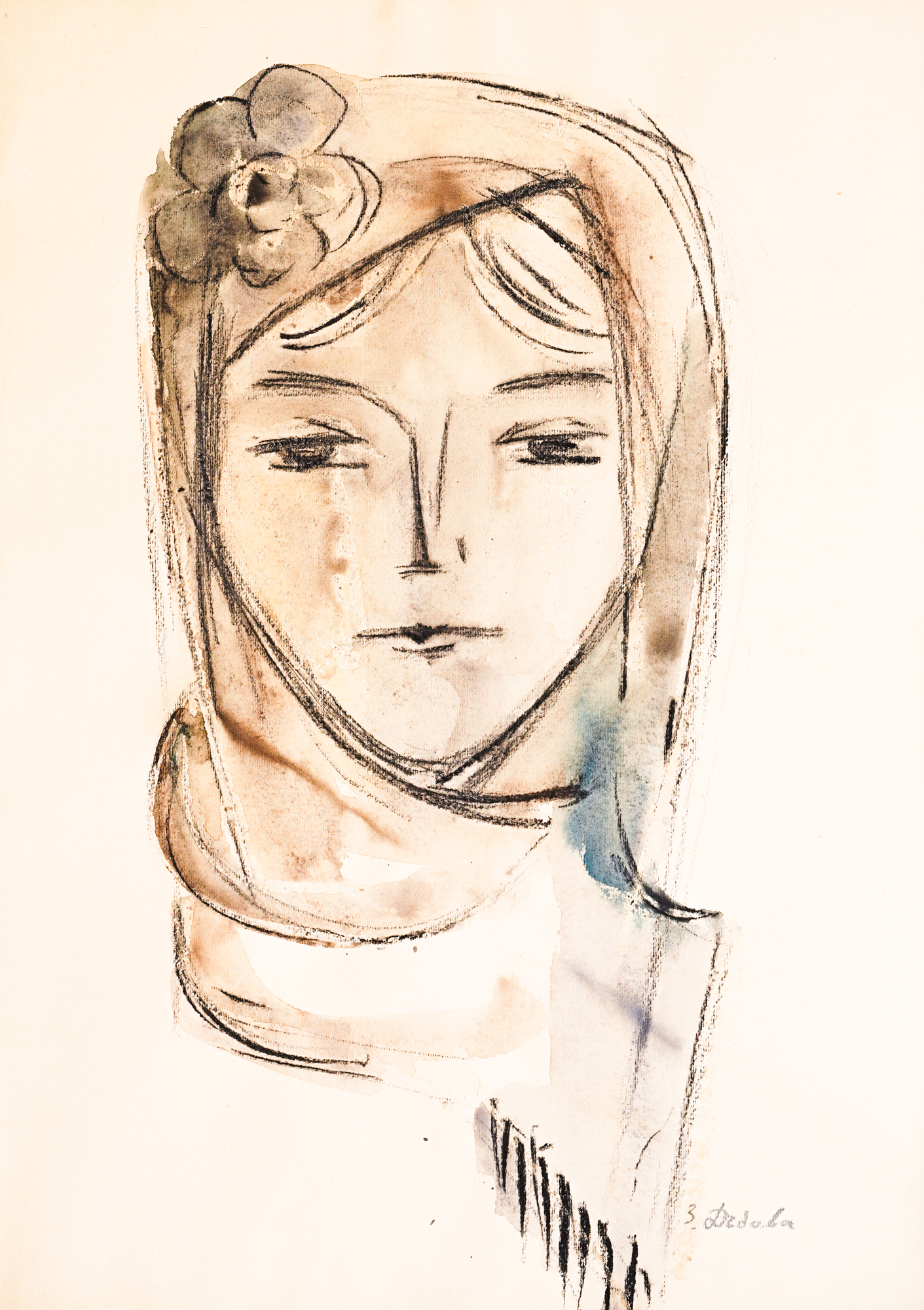
Since the 1890s, Ivan Mrkvichka’s creative interests have been focused on the genre of portraiture. Through portraiture, the painter delved deeper into the images and their characteristic features.
Throughout his stay in Bulgaria – from 1881 to 1921 – as well as in the later years, when he lived between Czechoslovakia and Bulgaria, Mrkvichka remained deeply attached to Bulgarian culture and traditions. He built an emotional and spiritual connection with the people, which found expression in his works. The artist shows remarkable respect for Bulgarian life and customs, often drawing inspiration from ordinary people – peasants, craftsmen, women and children. He does not simply depict them, but strives to understand their soul and capture the essence of their lives.
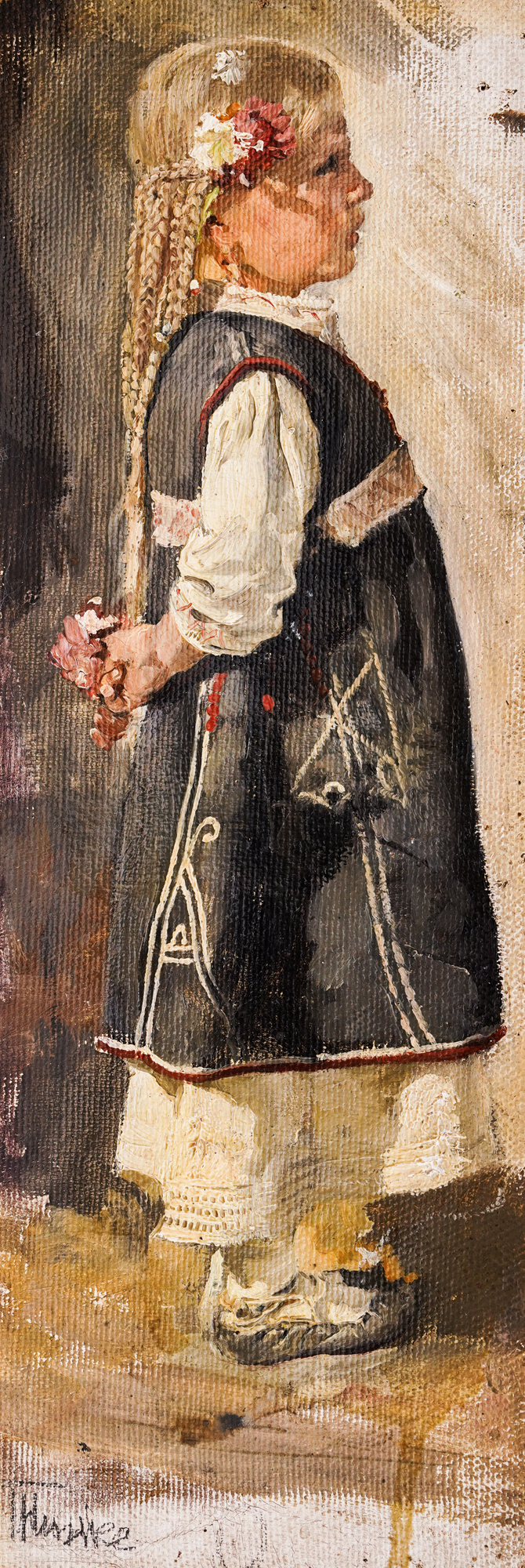
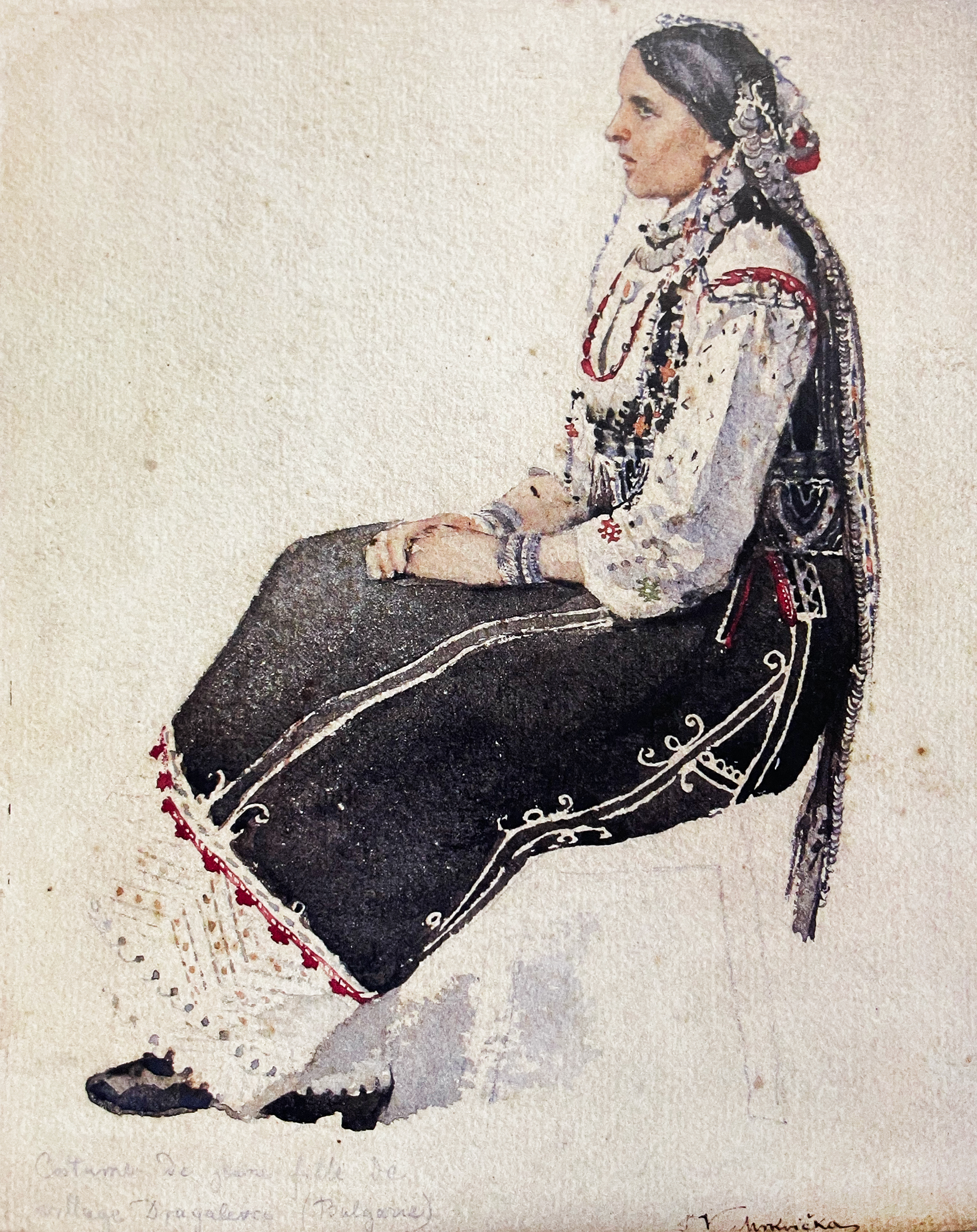
In his quest to get to know the authentic face of Bulgaria, Ivan Mrkvichka traveled around the country and parts of Macedonia, studying local costumes, traditional life and decorative elements in clothing. He carefully documented the ornamental features of folk clothes, as well as the environment in which people live. We find a similar technique in the work "Girl with Braids", in which the artist skillfully and in detail depicted a girl in a Bulgarian costume.
(A.M.)
Dimensiuni
width 10 cm, height 29 cm
Descriere
oil on canvas, titled bottom left, in pencil, unreadable
Datare
around 1900
Informații suplimentare
Pentru neclarități în legătură cu procedura de licitare, costurile adjudecării, termenii de garantare, de plată și de ridicare a lotului adjudecat recomandăm citirea/recitirea cu atenție a Regulamentului de Licitare.
The work of Ivan Mrkvička is deeply connected with Bulgarian traditions, customs, folk psychology, images, clothing and cultural perceptions. Initially invited to Bulgaria as a drawing teacher in Plovdiv in 1881, later among the founders and first director of the Drawing School in Sofia in 1898, Mrkvička is a public figure, an important and respected figure in the cultural environment of Post-Liberation Bulgaria.
In the first years after his arrival in Bulgaria, the artist was driven by his desire and interest in Bulgarian culture. A culture that he revealed in the Bulgarian costume, jewelry and images from the different regions of the country. After his arrival in Plovdiv, the Czech-born painter depicted scenes and types from the city and the region. He was inspired by the diversity and colorfulness of the markets, fairs and rituals. They are themes in his multi-figure compositions in the works from the collection of the Sofia Art Gallery - "Plovdiv Market”, “Shopsko horo”, “Zadushnitsa” and others.
Since the 1890s, Ivan Mrkvichka’s creative interests have been focused on the genre of portraiture. Through portraiture, the painter delved deeper into the images and their characteristic features.
Throughout his stay in Bulgaria – from 1881 to 1921 – as well as in the later years, when he lived between Czechoslovakia and Bulgaria, Mrkvichka remained deeply attached to Bulgarian culture and traditions. He built an emotional and spiritual connection with the people, which found expression in his works. The artist shows remarkable respect for Bulgarian life and customs, often drawing inspiration from ordinary people – peasants, craftsmen, women and children. He does not simply depict them, but strives to understand their soul and capture the essence of their lives.
In his quest to get to know the authentic face of Bulgaria, Ivan Mrkvichka traveled around the country and parts of Macedonia, studying local costumes, traditional life and decorative elements in clothing. He carefully documented the ornamental features of folk clothes, as well as the environment in which people live. We find a similar technique in the work "Girl with Braids", in which the artist skillfully and in detail depicted a girl in a Bulgarian costume.
(A.M.)
Informații suplimentare
Pentru neclarități în legătură cu procedura de licitare, costurile adjudecării, termenii de garantare, de plată și de ridicare a lotului adjudecat recomandăm citirea/recitirea cu atenție a Regulamentului de Licitare.