

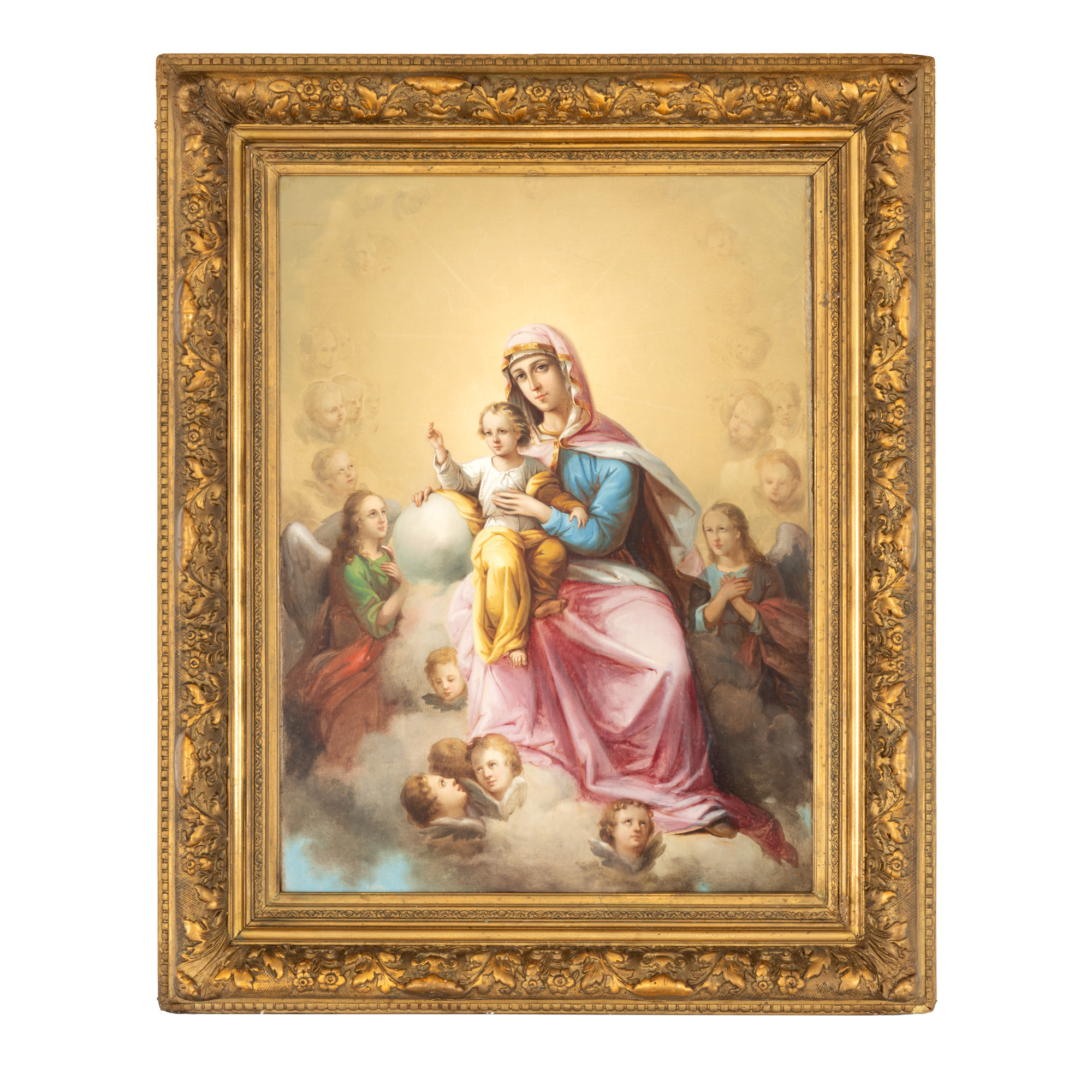
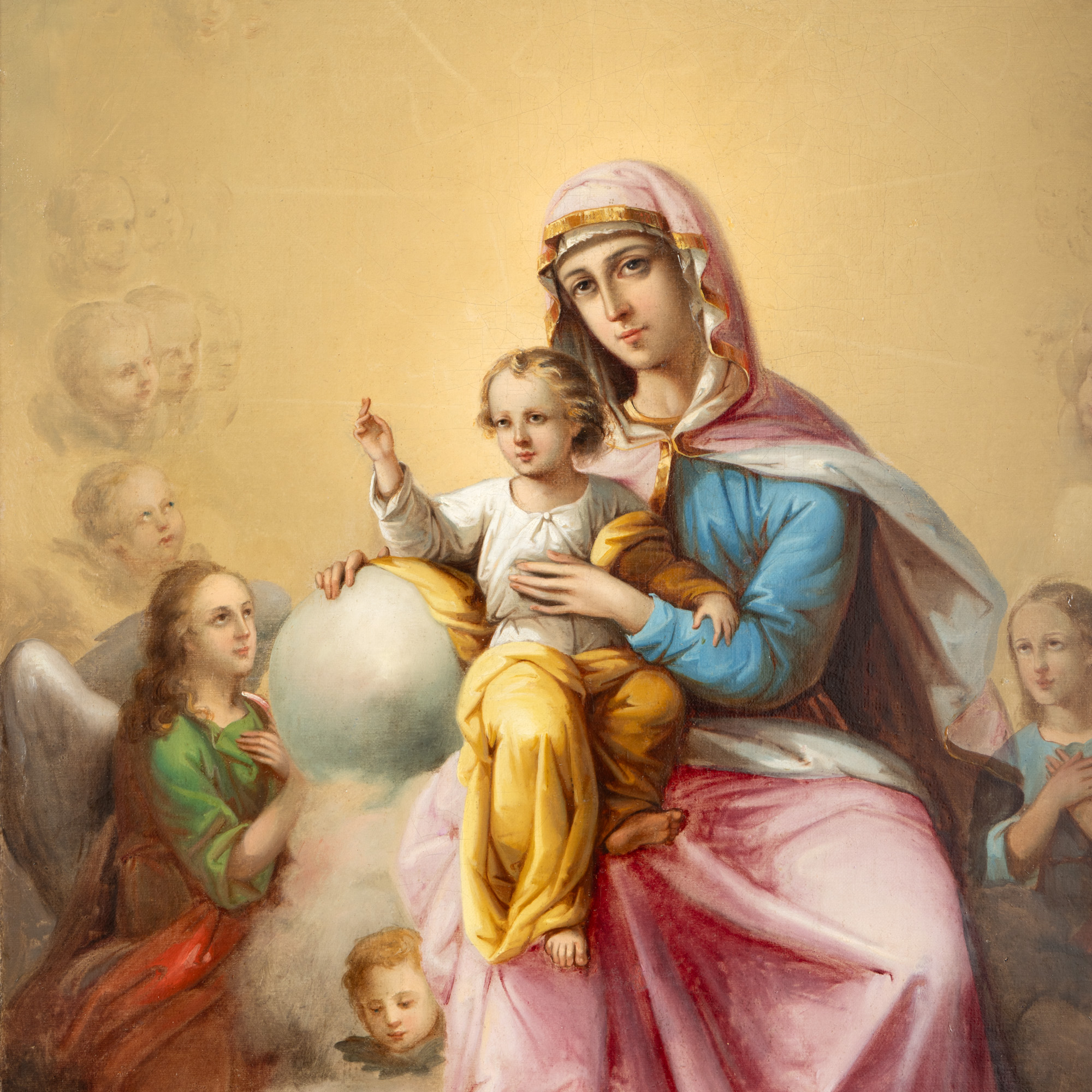
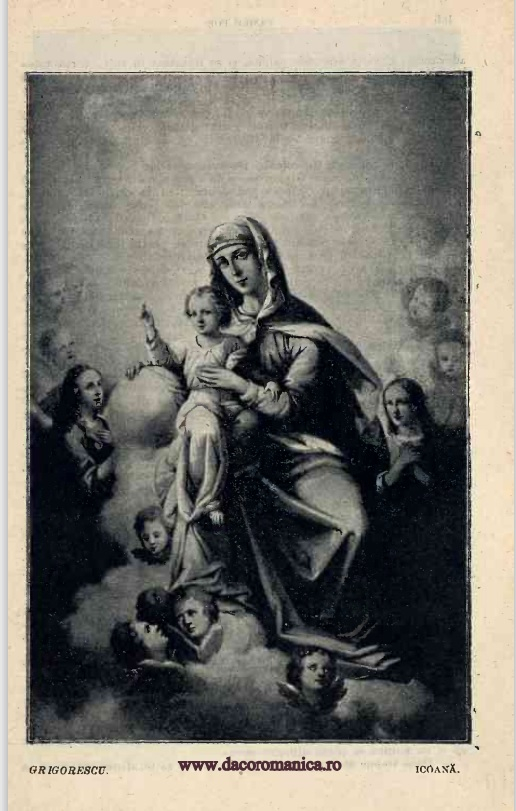
94Т. Mother of God with Child [către 1858]
The photos of the lot are informative and indicative, and cannot provide a highly detailed view of the object from all angles. We recommend a careful physical inspection of the lot before bidding.
94Т. Mother of God with Child [către 1858]
1838, Pitaru, Dâmboviţa - 1907, Câmpina
Starting price:
EUR 18.000
Sold
EUR 90.000
oil on canvas glued to copper plate, 66 x 47 cm
Research information
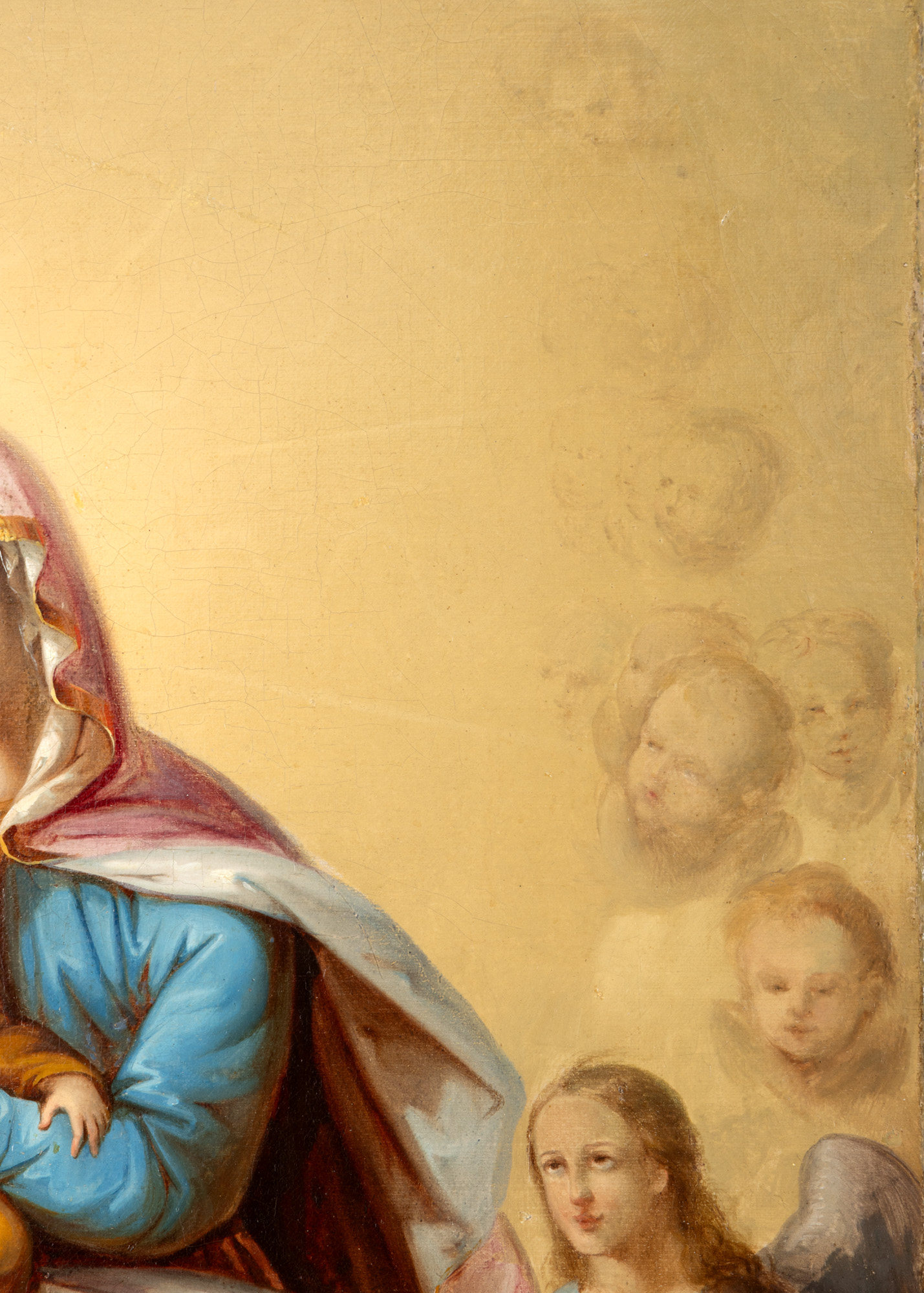
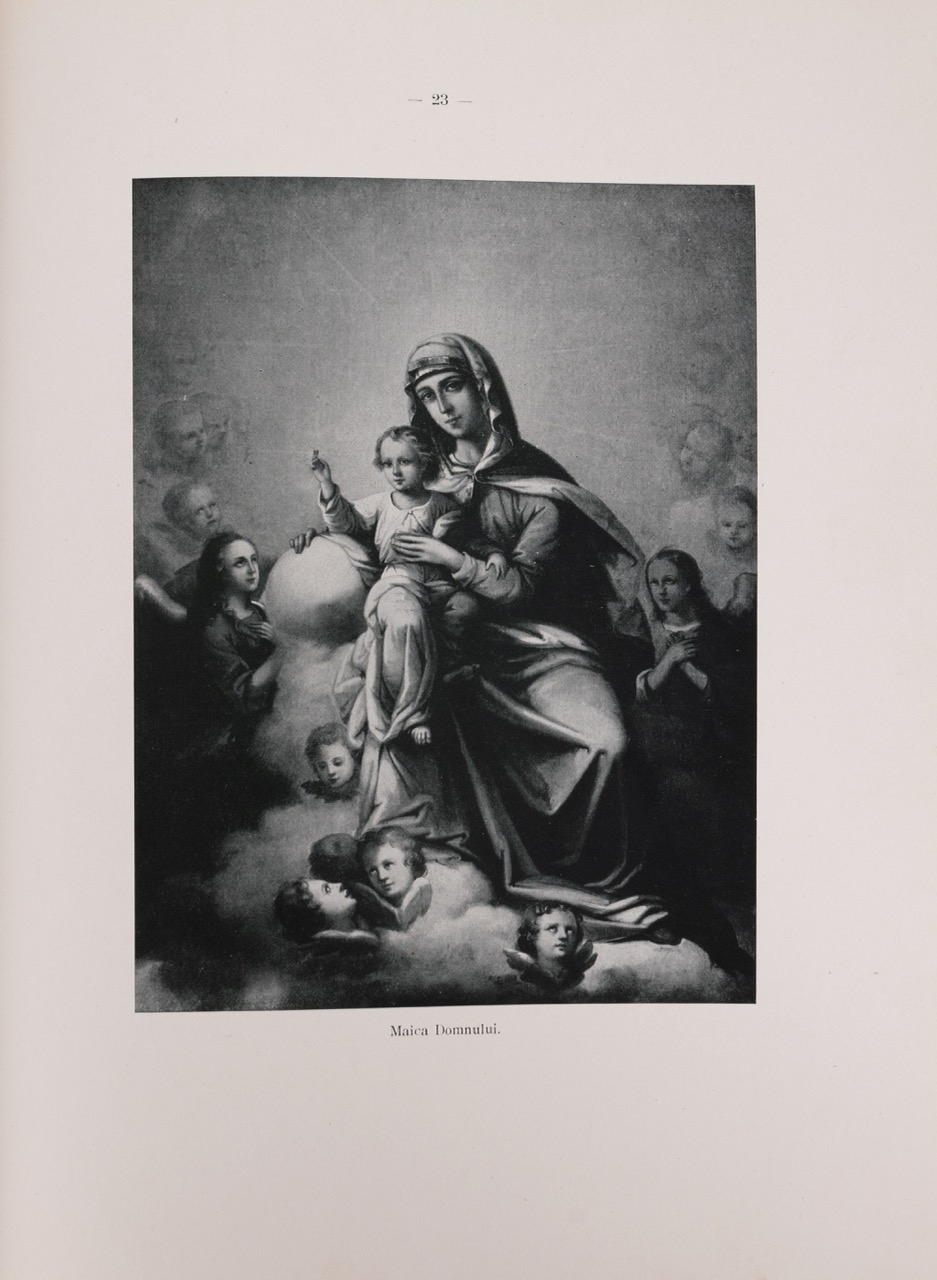
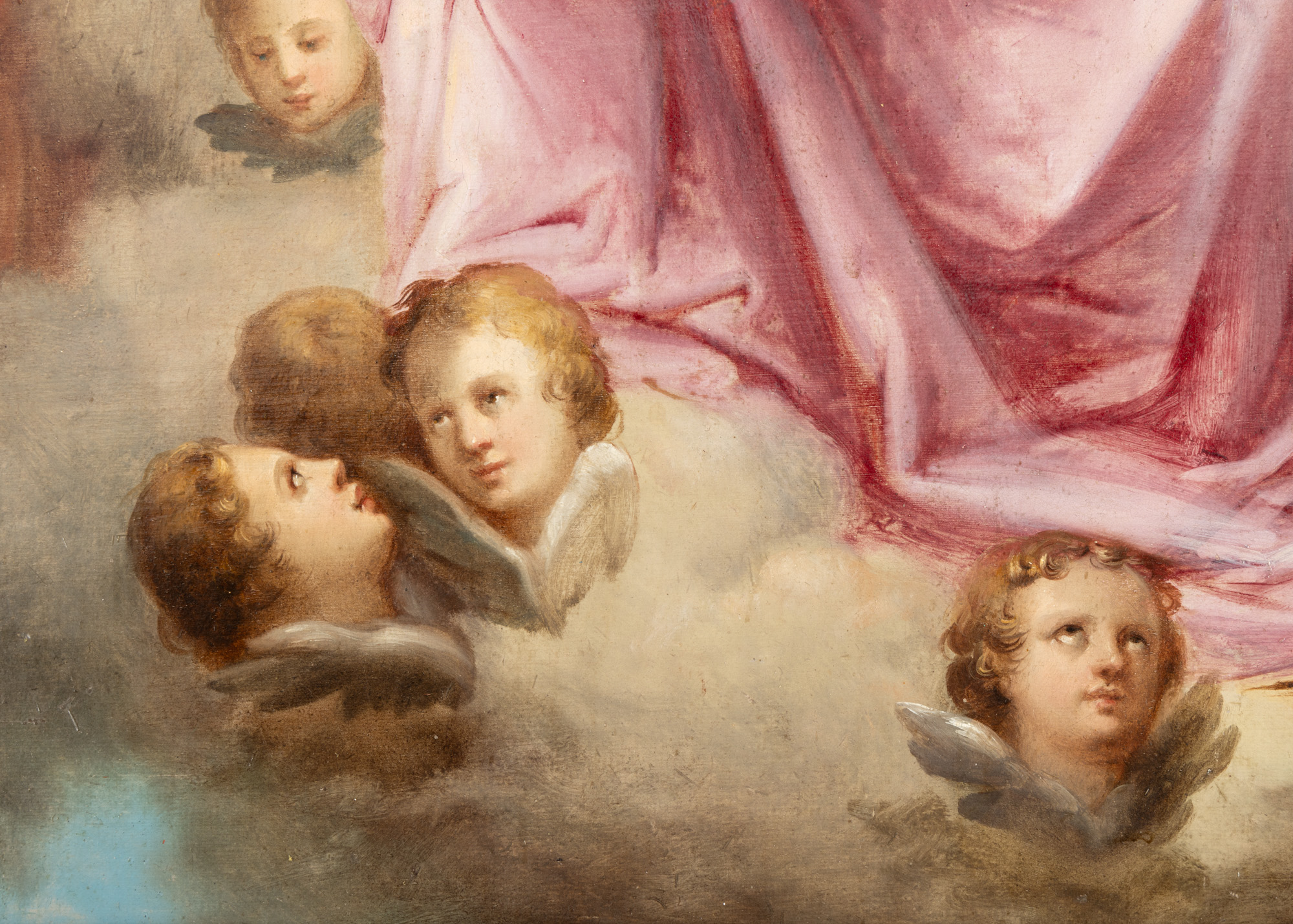
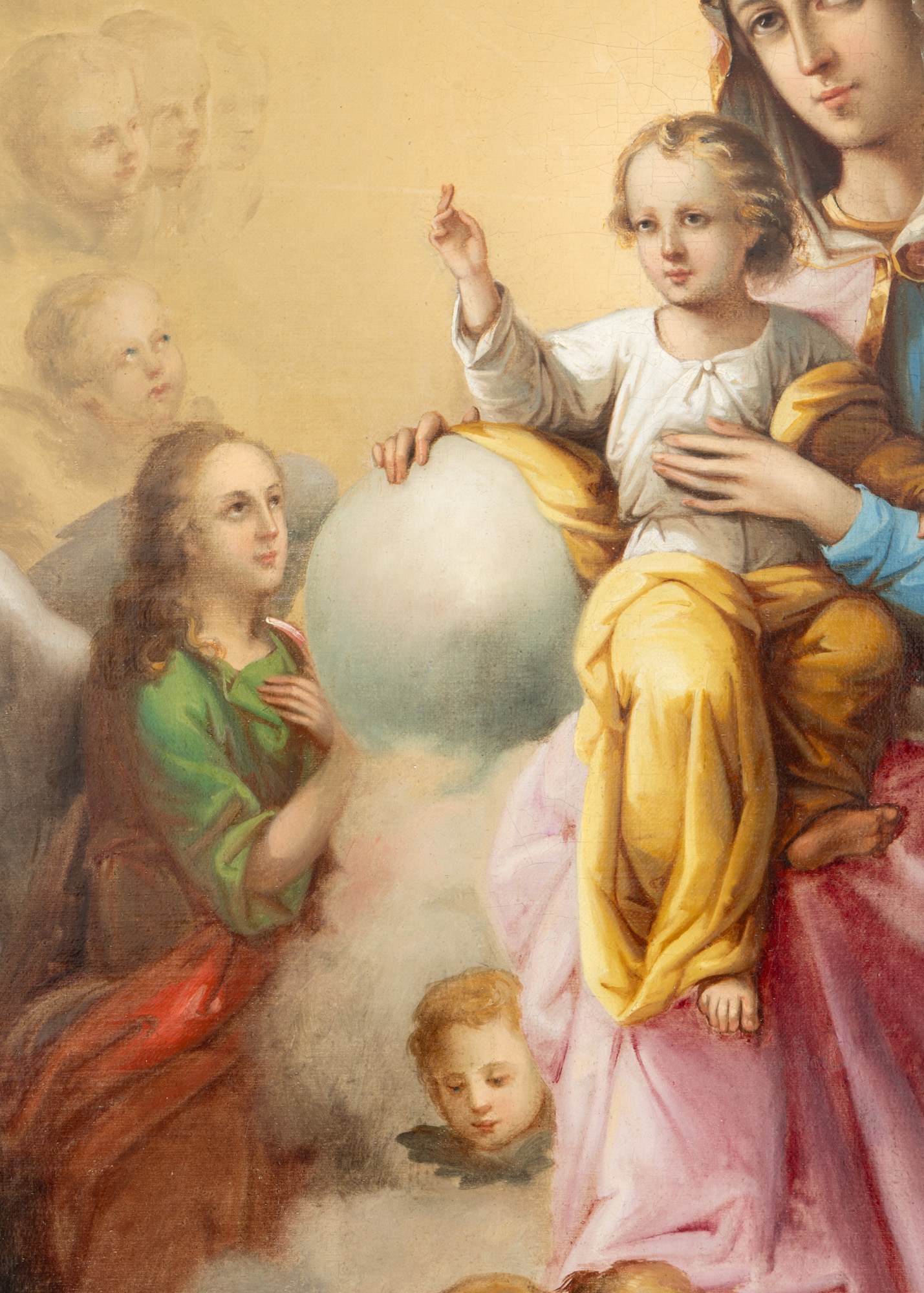
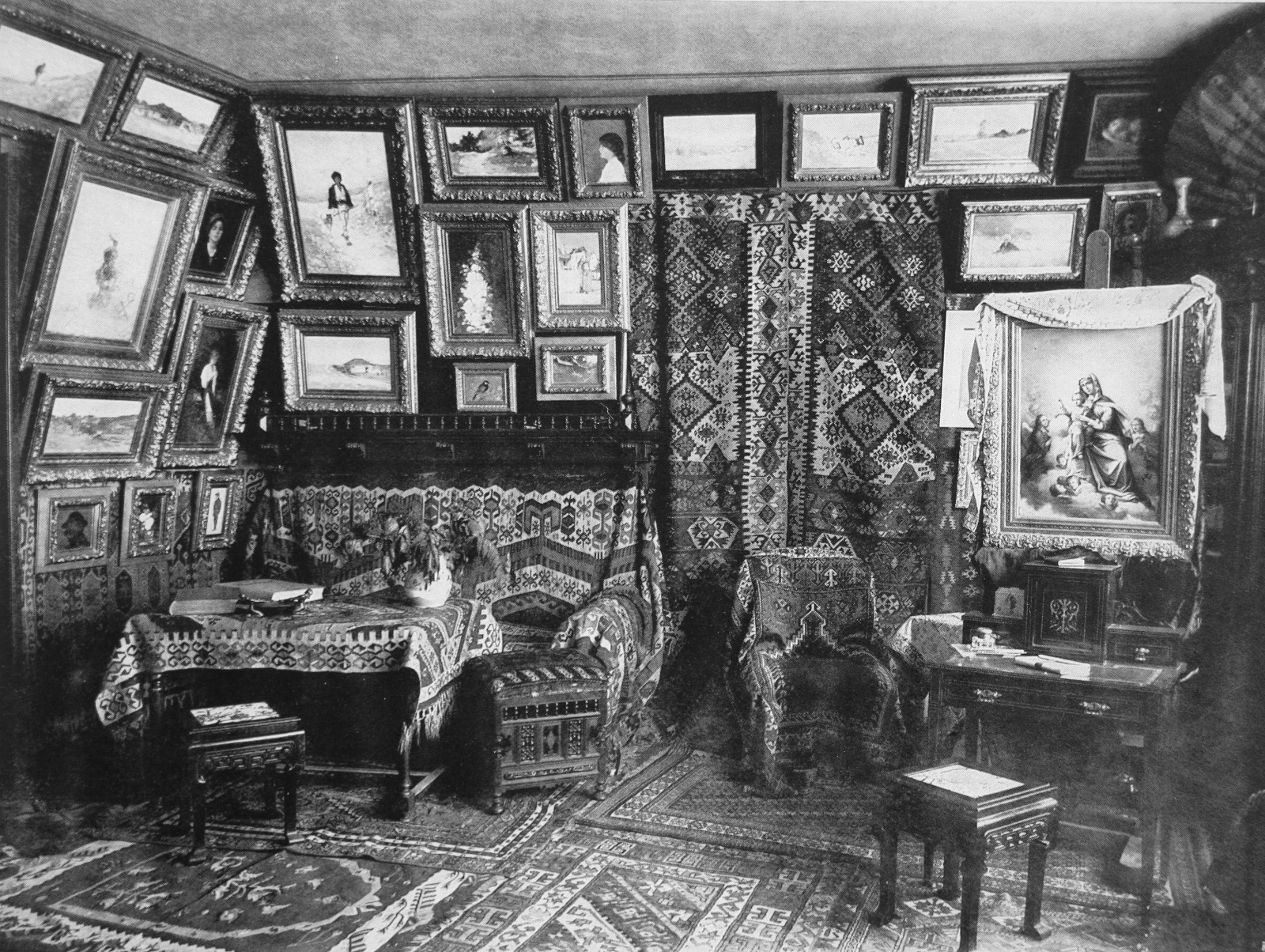
The artwork is reproduced in "The painter N.I. Grigorescu, His Life and Work", by Alexandru Vlahuta, Bucharest, 1910, p. 23. The artwork is reproduced in the Minerva Calendar, 1913, p. 165. The artwork is reproduced in "Nicolae Grigorescu", by George Oprescu, 1962, p. 249. The artwork is reproduced in "Grigorescu at Agapia", by Marina Sabados, Bucharest, 2011, p. 181. In "Nicolae Grigorescu" and "Grigorescu at Agapia", a photograph of the interior of the Nicolae Grigorescu's house in Campina was published, where this work is on the easel. A variant of this work, dated 1858, is preserved in the "Agapia Monastery Museum" collection, and traditional belief has it that this work "would have constituted the proof given by Nicu Grigorescu to obtain the painting contract of the Agapia Monastery church." In the book "The painter N.I. Grigorescu, His Life and Work", Vlahuta mentioned: "A nun posed for him for the Martyr Barbara. Grateful, the painter made an icon of her: In the midst of a fiery light — a kind of golden purple, which would be the color of eternity — stands the Virgin Mary in the clouds, with her right hand on the globe, holding in her left arm baby Jesus, who, resting his elbow on the globe, raises his right hand in blessing; both she and the child gaze into infinity; on either side, two adoring seraphim, with arms crossed over their chests; around them, a garland of cherubs, blond winged faces, gradually disappearing the higher they go, into the horizons of the sky; at the bottom, a few blue spots tell us that what we see there is truly “in the kingdom of heaven”. But what detailed study is in the minutest details, figures, hands, fabrics… and what a celebration of colors, what a vivid red in the rich drapery which, after framing the tender face of the Most Pure as a shroud, pours in large folds over the enamel blue tunic, brightly extending over the left knee and falling dark in folded pleats at the feet. But the shining green of the tunic of the seraph on the right! But the faded blue of the garment of the seraph on the left!... And the reflection of all these colors, warmly playing, like the flame's glow, on the crinkled neck of the divine child's shirt... A prodigious song of colors. What can words say about the beauty of a song?"
PROVENANCE
Comes from the collection of the painter Nicolae Grigorescu's family.
The Virgin Mary with the Christ Child surrounded by angels, in the heavenly universe, set upon the clouds that separate the two worlds. The Virgin Mary is represented sitting, holding Jesus on her right leg. Her right hand symbolically touches the earthly globe. With her gaze directed towards the believers, the Virgin Mary points with her left hand to Jesus as the path of faith, of truth, of life. Jesus responds with a blessing gesture made with his right hand resting on the same earthly globe. The Virgin Mary is draped in a pink-purple maphorion, worn over a blue dress, Jesus is clothed in a white blouse and a yellow drape that covers his legs. The work is made in the neoclassical style recently introduced in our country. The conception of anatomical volumetrics, regular and idealized features of the protagonists' faces, aspects of iconography, the easel painting technique adopted by the artist, indicate the new Western style which young Nicu Grigorescu also adheres to in the period preceding his formation in France. A work of special documentary-artistic value (with significant bibliography), kept all his life by the artist and then by his descendants, apparently preparing to prove the acquisition of the contract for painting the church of Agapia Monastery. (I.B.)
Nicolae Grigorescu's work at Agapia Monastery (started in 1858, at the age of only 20) represents not only a founding moment in his artistic biography, but also in the history of modern Romanian art. In a context where religious painting was profoundly dominated by Byzantine canons or schematic academic models, the young iconographer's intervention brings an authentic breath of renewal and plastic expressiveness.
Grigorescu was hired to paint the interior of the Agapia monastery church on the recommendation of Metropolitan Sofronie Miclescu, based on his previous works, especially the icons from Băicoi. Although without complete formal training, Grigorescu was preferred over other “professional” painters due to the sincerity and freshness of his pictorial language. From the outset, he distinguished himself through an original, personalized approach – placing emphasis on the inner experiences of the characters, on vivid physiognomies, and on a light palette.
His work at Agapia lasted almost 4 years, during which he painted the iconostasis, the interior walls, and numerous icons. Grigorescu often encountered suspicions and opposition from the church authorities, dissatisfied with the compositional freedom and the humanized, expressive figures, in contrast with traditional impersonal idealization.
Nevertheless, his work was successfully completed and represented a notable artistic success. Grigorescu introduced a number of characteristics into Romanian religious mural painting that would become definitive for his mature style: portraits with psychological individuality (young women, peasants, children); landscapes rendered in the form of luminous backgrounds, with an almost impressionistic sensitivity; a warm, airy palette, reminiscent of real nature, not decorative convention; an attraction to feminine beauty and Romanian ethnographic character, which he also valorizes in holy characters.
The painting from Agapia is not just a transitional work, but also a turning point: it marks the detachment of Romanian painting from provincial and Byzantine influences and the opening towards art with roots in real life. Through this work, Grigorescu not only affirms himself as a promising talent, but also as a reformer of Romanian visual language.
For clarifications regarding the bidding procedure, hammer price costs, guarantee, payment, and collection terms for the winning lot, we recommend carefully reading/re-reading the Bidding Regulations.
For additional information regarding the lot and the auction, please contact the Art Consultants Department.
SESSION
Brought to you by
Similar lots
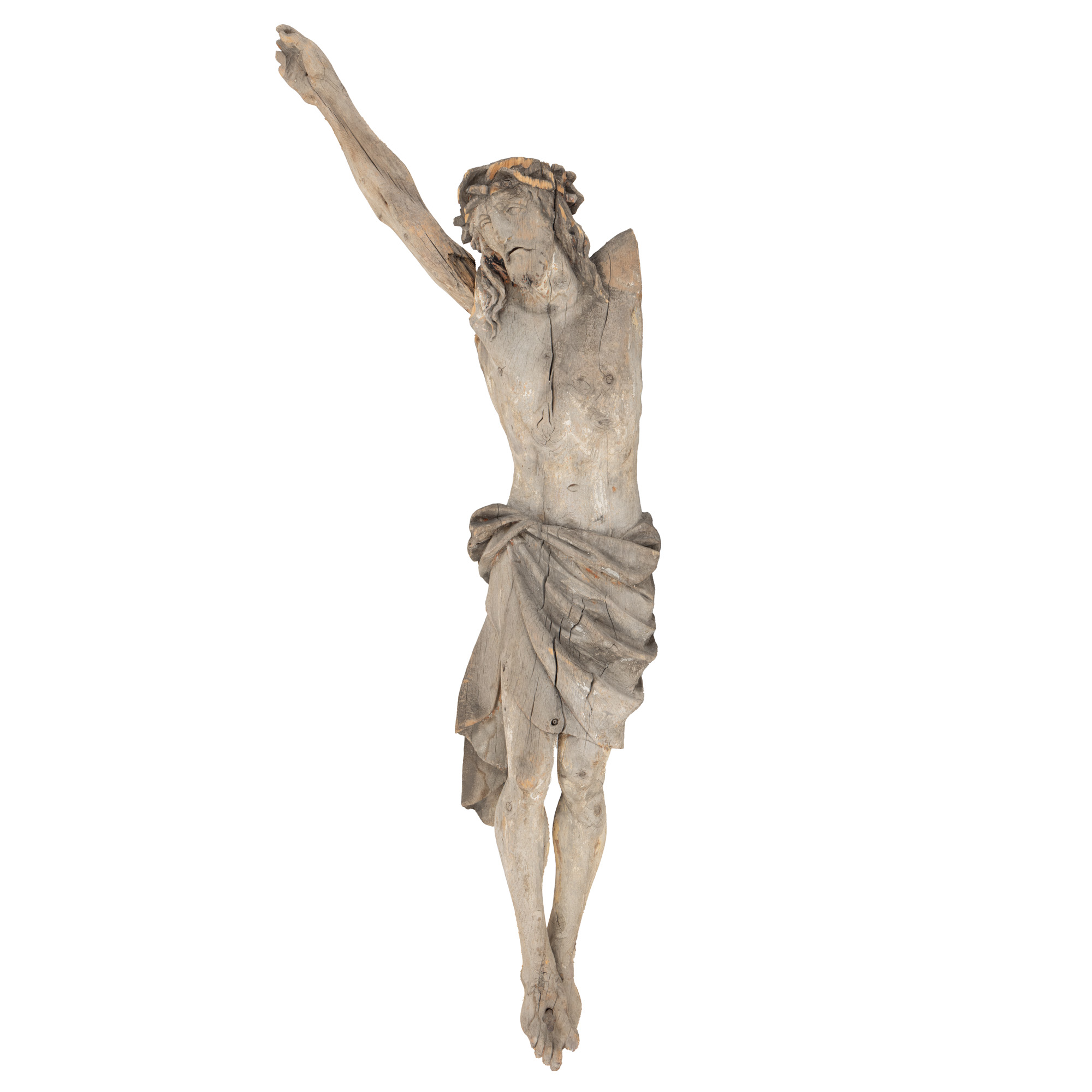
89. Wooden statuette, "Corpus Christi", Transylvanian workshop, 19th century
Starting price:
EUR 600
Sold
EUR 800