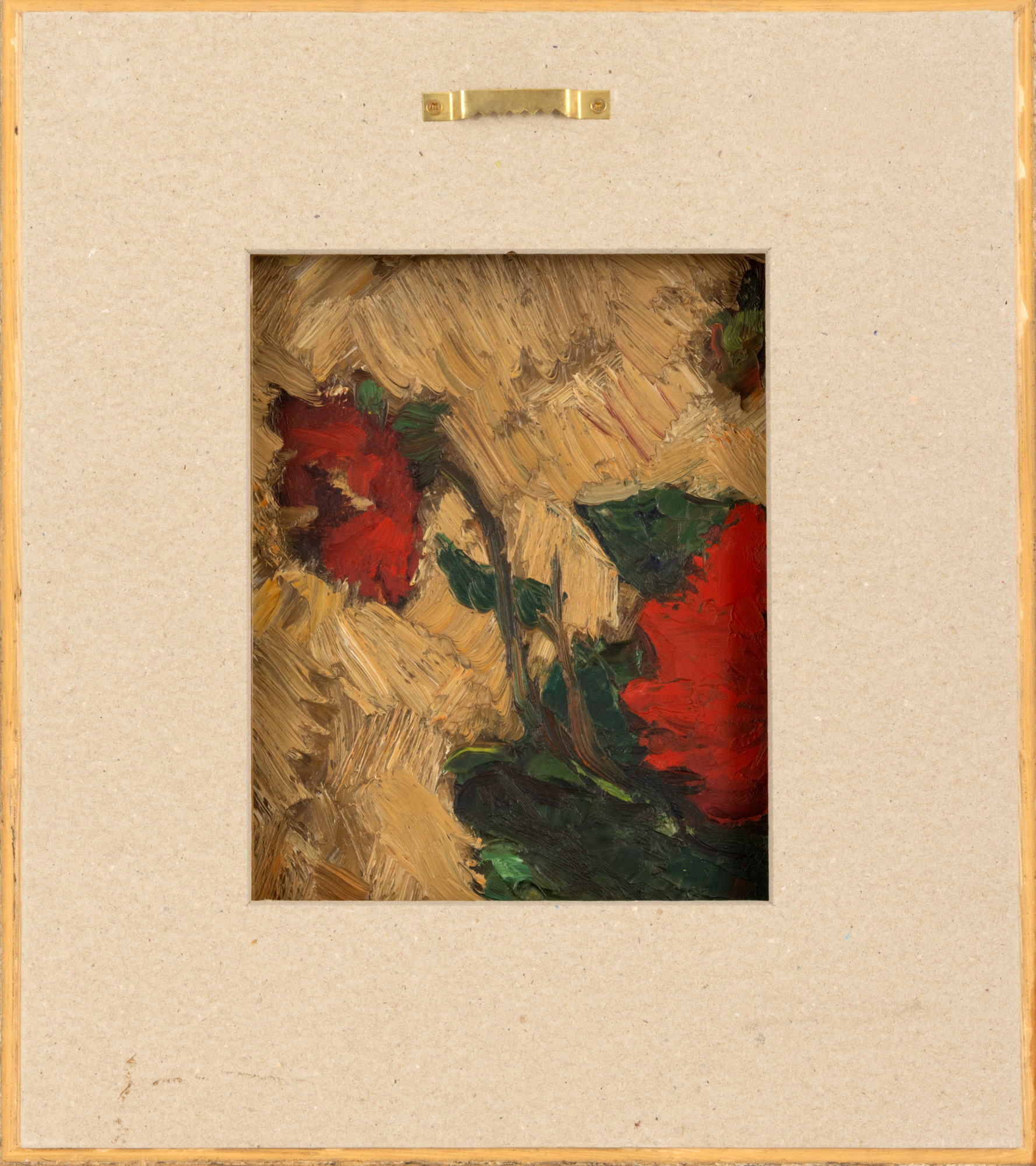

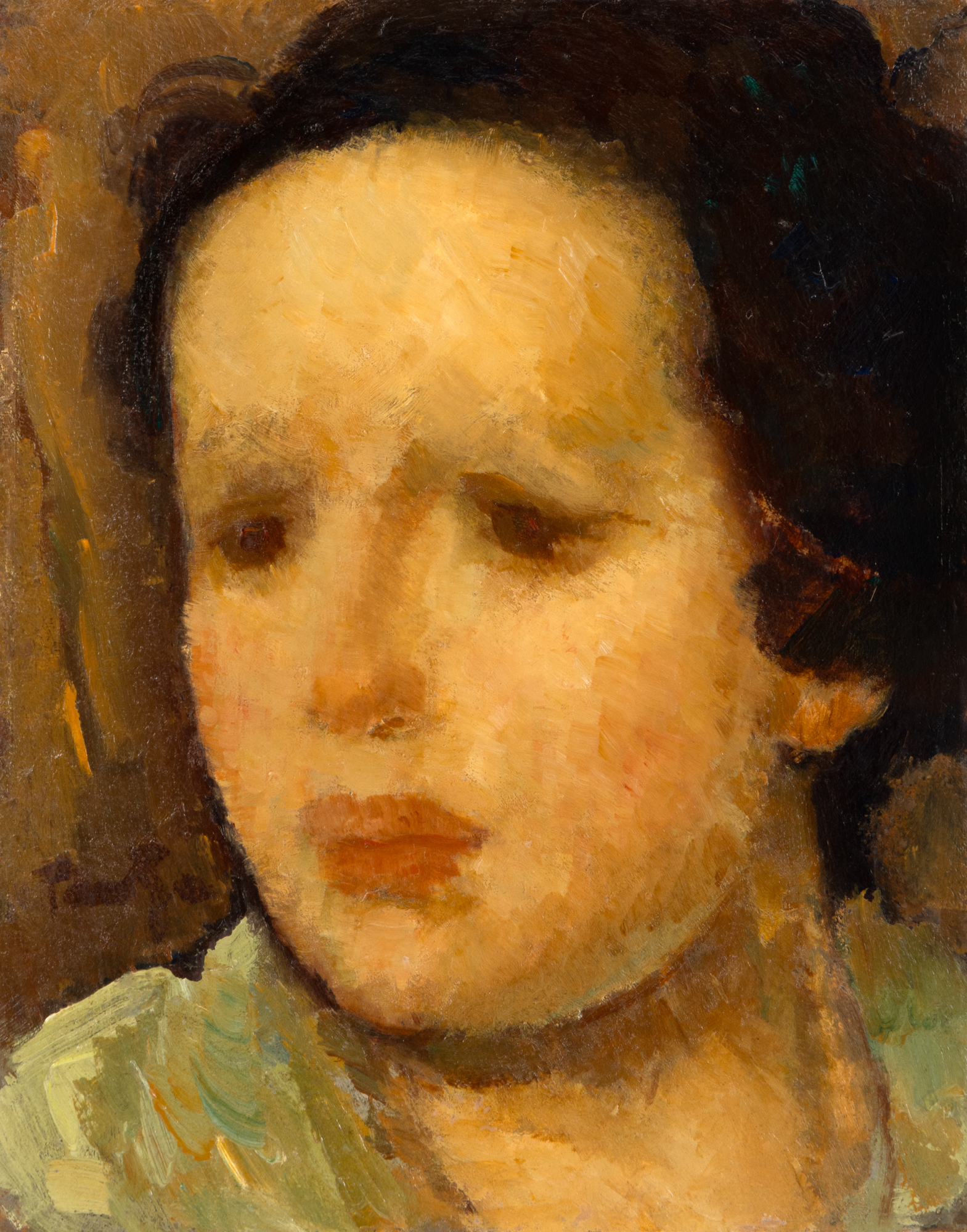
23. Child's Head (Melancholy) [anii '20]
1886, Bârlad - 1940, Bucureşti

Estimate

EUR 15.000 - 25.000

Sold

EUR 26.000

Session

Tue, 24 March 2026 18:00

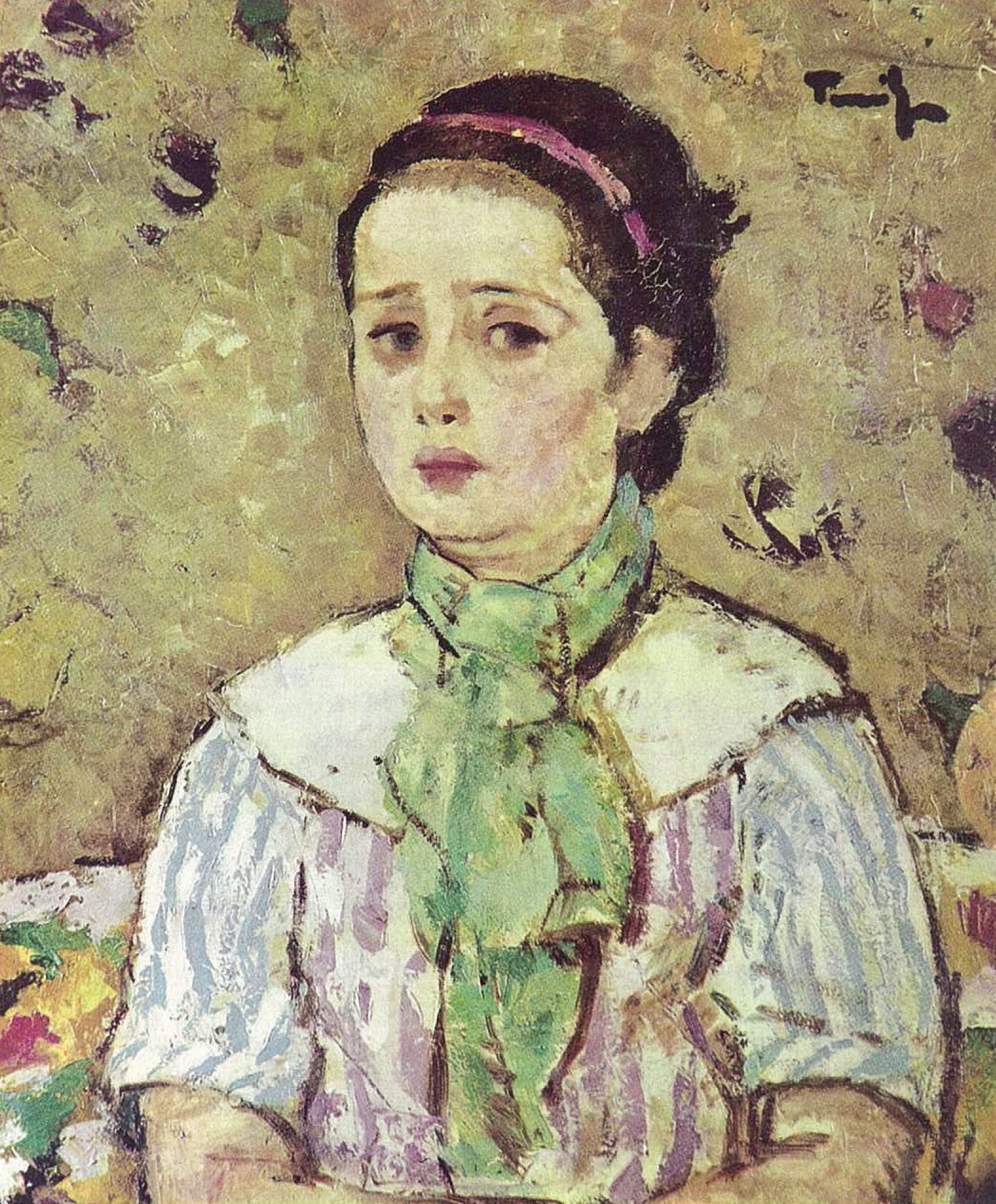
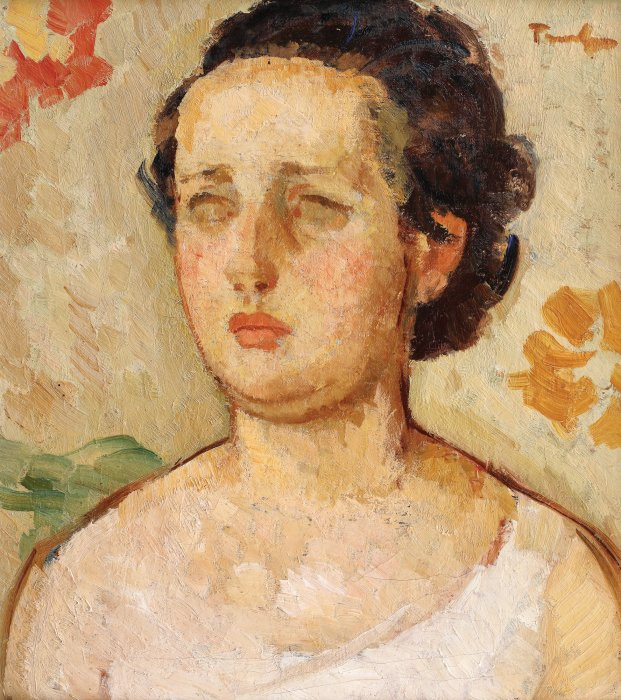
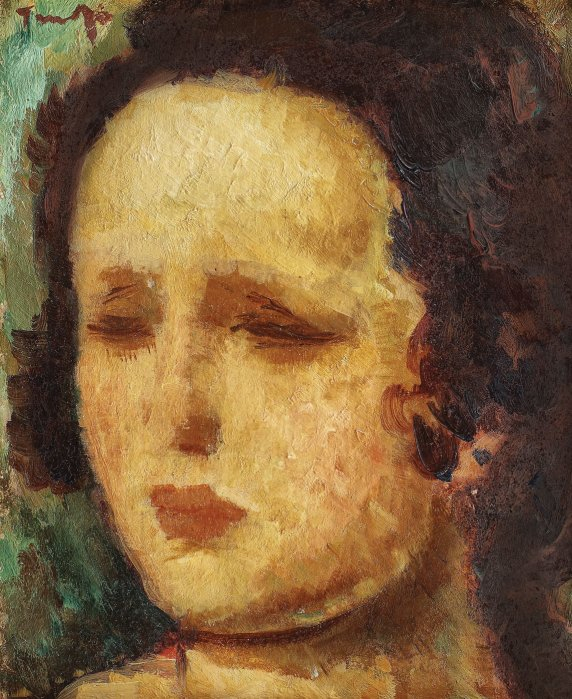
A merit of Romanian art, Nicolae Tonitza's art reveals reality, the artist drawing inspiration from everyday life. He immerses himself in the meditation of painting, writing in 1915 that "for an artist, before producing, contemplates; contemplates for a long time, humbly contemplates the nature that surrounds him, the life that bustles around him and of which he is part with all his soul and body.” Thus, for Tonitza, art takes on the valences of a means of communication, becoming a language carrying feelings, attitudes and ideas. This vision encourages the artist to assimilate his own life as a primary source of inspiration. For Tonitza, art takes on the use of a diary: it captures occasions from his life at certain moments in time. Direct adherence to the evidence of reality as well as the freedom of vision point to the impressions of the Impressionist movement. In Tonitza's work, the theme of the child and childhood found an embodiment with symbolic status. This creative horizon occupies him throughout his artistic career, appearing from that period when his art was not definitive and did not yet have its own meaning: "Children's Game" (1912), "Head of a Girl" (1913), "Ticuleana" (1914). The theme amplifies after 1921, when, aspiring to a quieter life, Nicolae Tonitza together with his family settled for three years in Vălenii de Munte. The new ambiance, the constant closeness of his three children and their friends, provides the opportunity for careful and prolonged incursions into their world. Thus, the portraits made by Nicolae Tonitza are not just pictorial works, but biographical notes in the family album. The present work is most likely made in the 1920s, a period considered that of pictorial maturity in the artist's creation. We can presume that the painting portrays his daughter, Irina. The particular images of his children are generalized into a comprehensive symbol, in the light of an aesthetic and social ideal. For example, his son becomes "The Flower Girl's Child", and Irina takes on the role of "Katiuska Lipoveanca" in some works. Here, the artist's daughter is caught in a meditative posture, almost melancholic, inspiring mystery and sincerity alike. The brushwork is emphasized by the chromatics in which shades of brown predominate, contrasted by diaphanous colors, such as ochre or pale green. Like other portraits, the artist primarily focuses on the eyes, which highlight the meditative expression of the model and contribute to the contemplative atmosphere. "Piercing eyes", as Ecaterina Tonitza, the artist's wife, called them, suggest the access path towards the soul of the child on the threshold of adolescence. Thus, "Melancholy" depicts the fragile transition experience between childhood and maturity, capturing the amalgam of emotions evoked by the specific age.

References

PĂULEANU, Doina, "Tonitza", Official Monitor, 2014 ȘORBAN, Raul, "Nicolae Tonitza", Meridiane Publishing House, 1965 BREZIANU, "N. N. Tonitza", Meridiane Publishing House, 1986

Dimensions

width 19 cm, height 23.5 cm

Description

oil on cardboard, signed on the left side, in brown, "Tonitza"

Dating

anii '20

ADDITIONAL INFORMATION

For clarifications regarding the bidding procedure, hammer price costs, guarantee, payment, and collection terms for the winning lot, we recommend carefully reading/re-reading the Bidding Regulations.

For additional information regarding the lot and the auction, please contact the Art Consultants Department.

Similar lots