The photos of the lot are informative and indicative, and cannot provide a highly detailed view of the object from all angles. We recommend a careful physical inspection of the lot before bidding.
COMAN, Anton, "Octav Băncilă", State Publishing House for Literature and Art, Bucharest, 1954.
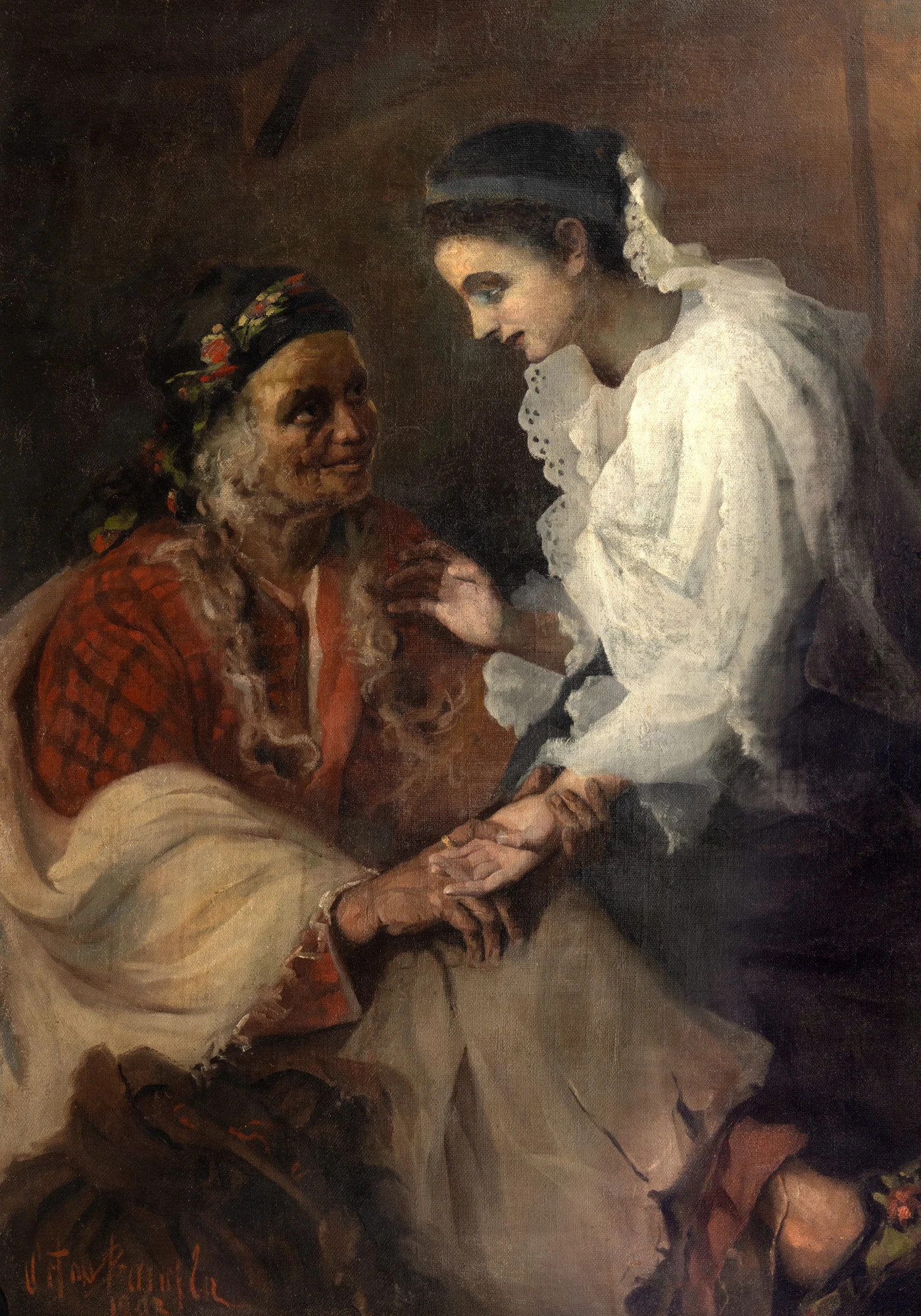
oil on canvas, 135 x 96 cm, signed and dated bottom left, in brown, "Octav Băncilă, 1893"
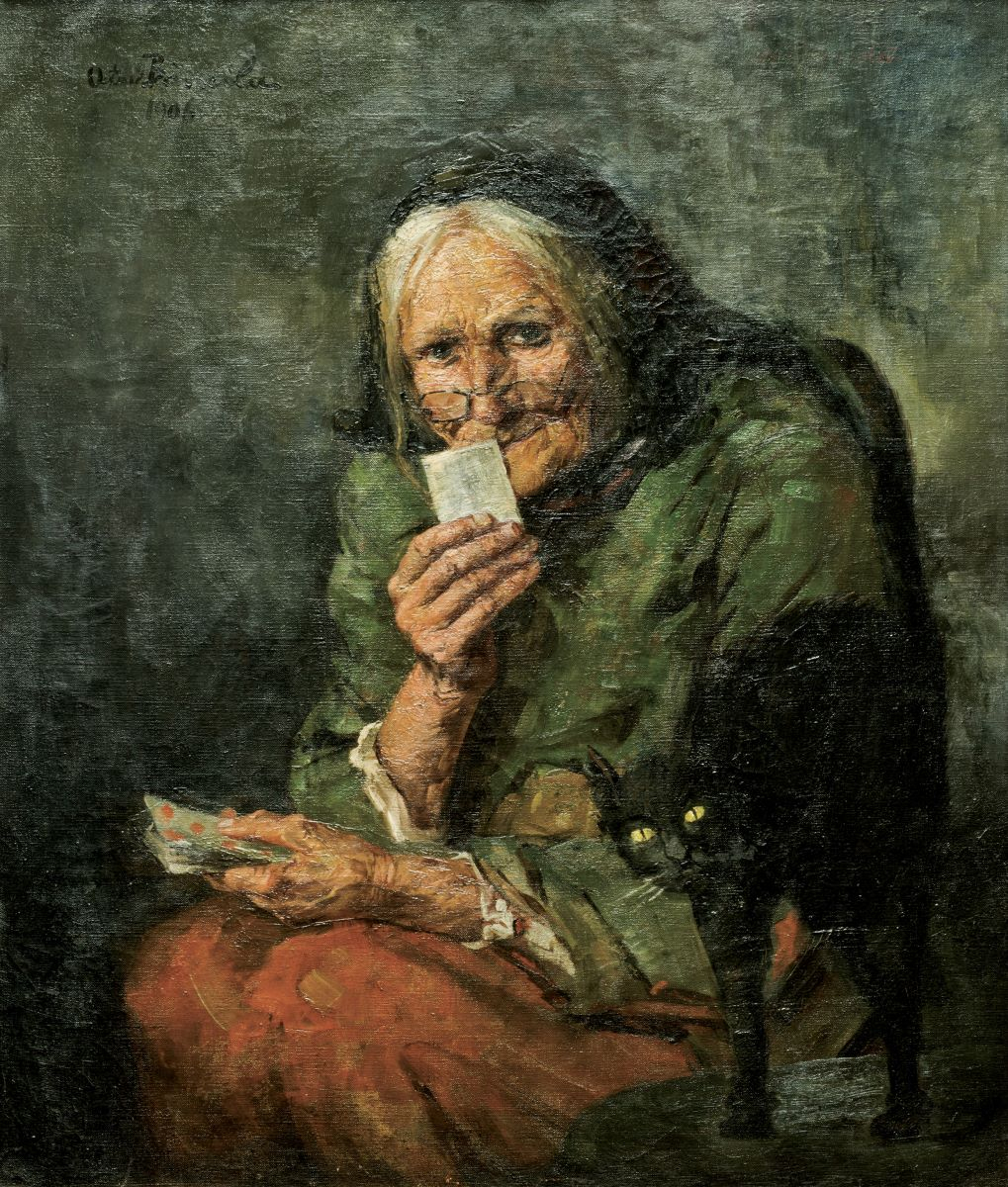
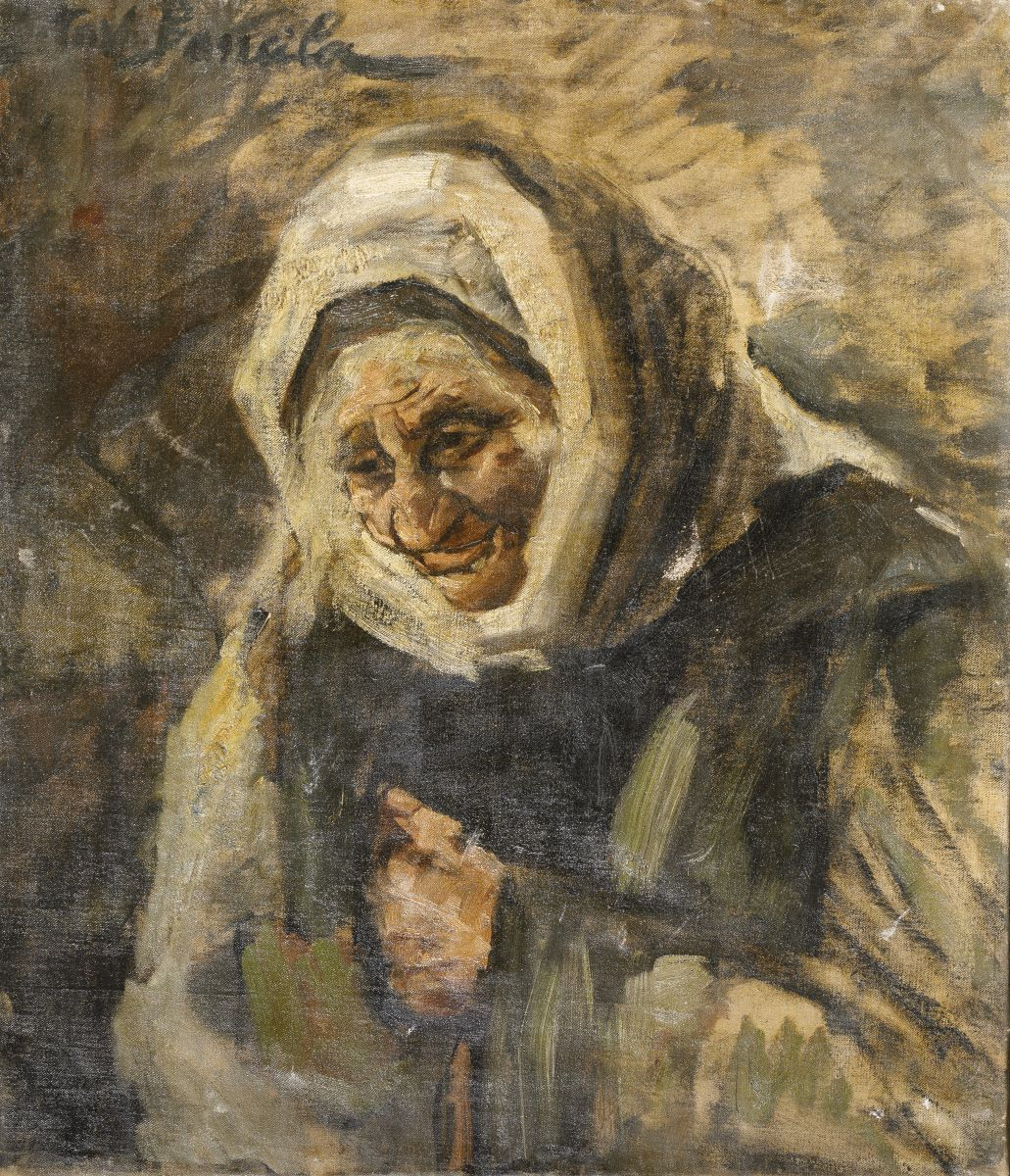
In Octav Băncilă's painting, the character is not just a presence but becomes an expression of an inner world. The faces, gazes, gestures, and attitudes of his characters bear the traces of experiences, states of feeling, and the environment in which they exist. The artist looks at the human being beyond its appearance, trying to capture the fragility, dignity, unrest, resignation, or inner strength that hides behind a face. Băncilă's portraiture is thus distinguished by careful observation of human psychology. His characters are caught in situations that gradually reveal their character and way of looking at the world, and the expression of the face almost becomes a language of emotions. Through seemingly simple details, a gaze, a tension of the face, body position, or gesture, the painter constructs portraits loaded with meaning, in which the outside and inside of the character merge. His characters reappear in roles and situations that allow him to explore different aspects of human nature. His attention is directed not only at the appearance of the characters but above all at their expression, at their relationship to each other and the states of feeling they suggest. Faces and gestures thus become means to outline distinctive personalities, each bearing a particular experience and a certain vision of the world.
In the work "The Fortune Teller", this concern materializes in a scene built around the encounter of two women profoundly different in age, appearance, and status. An old woman is palm reading a young elegant woman, and the contrast between the two characters creates the psychological tension of the scene. Beyond the gesture itself, the moment seems to capture the encounter between experience and youth, between the mystery of the unknown and the desire to decipher it. In these characters, Băncilă introduces not just an episode of everyday life, but also a world of beliefs and folk rituals. The two characters are close, and their attention is focused on the fortune teller's gesture and the future she tries to reveal. The young lady appears as a careful character absorbed by the words of the elderly woman. Her elegant clothing may suggest her belonging to a higher social status than that of the fortune teller, and the encounter between the characters creates an interesting contrast between the everyday world and the universe of folk beliefs. The fortune teller is portrayed as a mature woman with a strong presence, her face and attitude suggesting experience and authority, while her gesture over the young woman lends the scene an atmosphere of mystery. The palm thus becomes the central point of the encounter as it is associated with the idea of destiny and the human desire to know what is about to happen. The young woman is in a moment where she seeks answers, where the fortune teller becomes the mediator between the present and an unknown future. Palm reading symbolizes the attempt to decipher fate and turn the unknown into a concrete real story. At the same time, Băncilă seems not only interested in capturing the moment itself but also in the relationship between the two characters. Their gaze, closeness, and focus on the scene create the impression of a confession. The fortune teller can be seen as a keeper of folk beliefs and traditions, while the young woman represents the individual who, regardless of their social status, remains fascinated by the knowledge of the future. Another important element is the social and psychological contrast between the characters. The young woman's elegance is opposed to the more austere appearance and life experience suggested by the fortune teller. Through this juxtaposition, the painter may suggest that interest in fate and the unknown exceeds social differences. The atmosphere of the work is intimate, focused, and mysterious, where the modest space in which the encounter takes place contributes to the realistic character of the scene, and the attention given to the characters makes the spectator concentrate on their relationship. In this way, Băncilă transforms the scene into an image of the relationship between human, faith, and the unknown, giving an everyday event a symbolic and profoundly human dimension.
For clarifications regarding the bidding procedure, hammer price costs, guarantee, payment, and collection terms for the winning lot, we recommend carefully reading/re-reading the Bidding Regulations.
For additional information regarding the lot and the auction, please contact the Art Consultants Department.
By choosing "Accept all cookies" you agree to the use of cookies to help us provide you with a better user experience and to analyse website usage. By clicking "Adjust your preferences" you can choose which cookies to allow. Only the essential cookies are necessary for the proper functioning of our website and cannot be refused
Cookie settings
Our website stores four types of cookies. At any time you can choose which cookies you accept and which you refuse. You can read more about what cookies are and what types of cookies we store in our Confidentiality Policy.
are necessary for technical reasons. Without them, this website may not function properly.
are necessary for specific functionality on the website. Without them, some features may be disabled.
allow us to analyse website use and to improve the visitor's experience.
allow us to personalise your experience and to send you relevant content and offers, on this website and other websites.