Meniu

Buying
How to sell
Contact
English
Gifts
Reduced Twice

Rare Books, Documents, Photography & Posters

Collectible Religious Art

Asian Art, Technical Objects, Taxidermy, Curiosities & Antiques

Jewelry & Watches

Numismatics, Medals, Maps, Arms & Decorations

Luxury, Elegance, Collectible Cars & Beverages

Collectible Folk Art

Sneakers & Toys

Discover


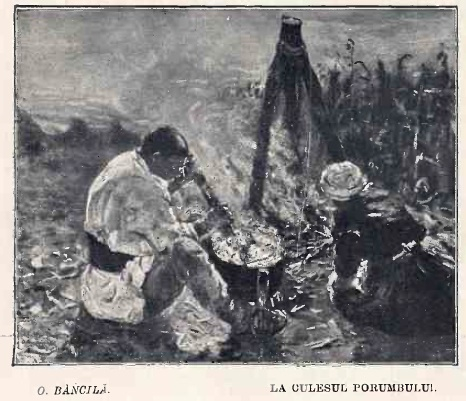
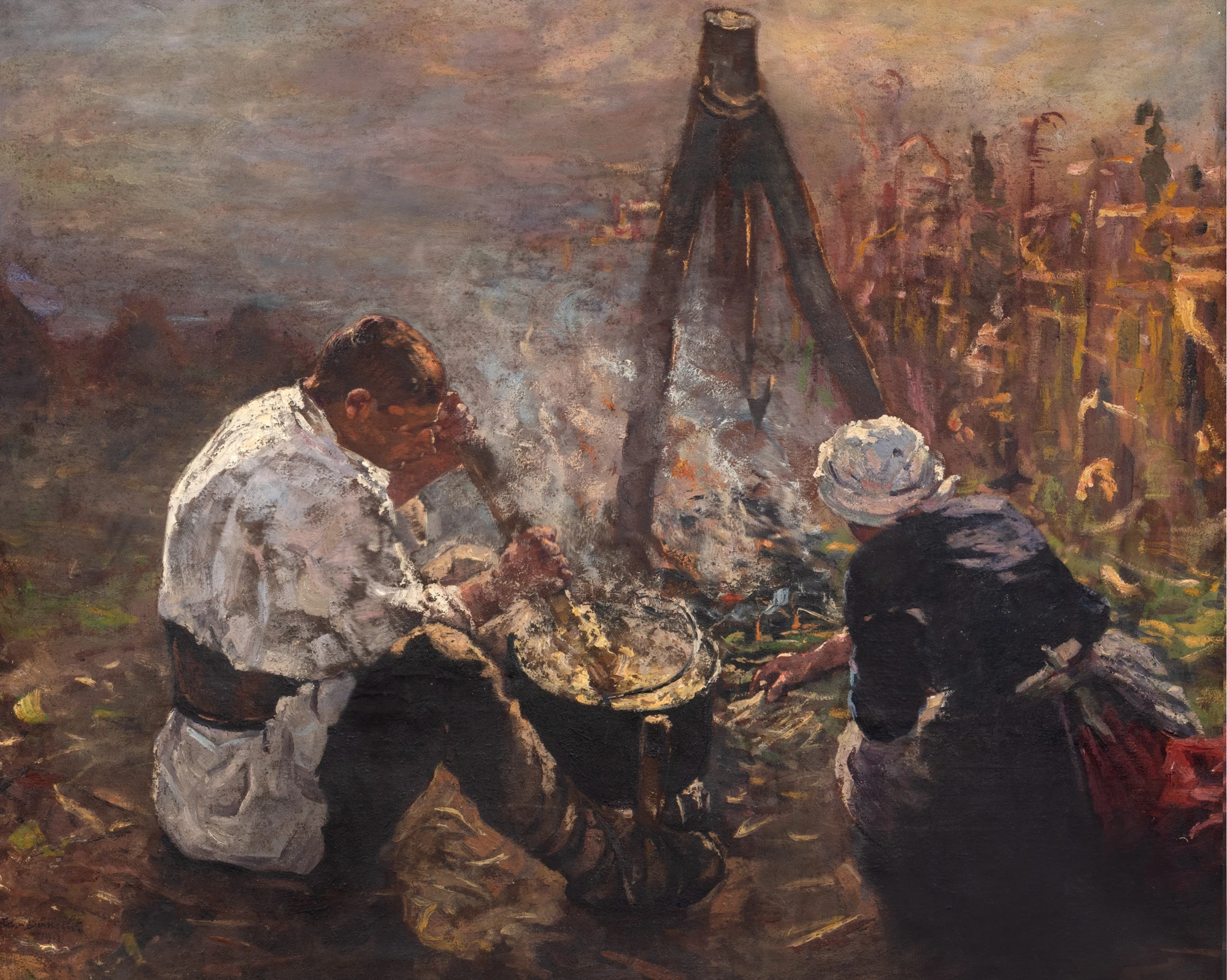
33. Gathered at the Polenta [1912]
The photos of the lot are informative and indicative, and cannot provide a highly detailed view of the object from all angles. We recommend a careful physical inspection of the lot before bidding.

33. Gathered at the Polenta [1912]
1872, Corni, Botoșani - 1944, Bucureşti

Estimate:
EUR 5.000 - 8.000
Sold
EUR 17.000

References

COMAN, Anton, "Octav Băncilă", State Publishing House for Literature and Art, Bucharest, 1954.

oil on canvas, 82 x 100 cm, signed and dated bottom left, in black, "Octav Băncilă, 1912"

Research information

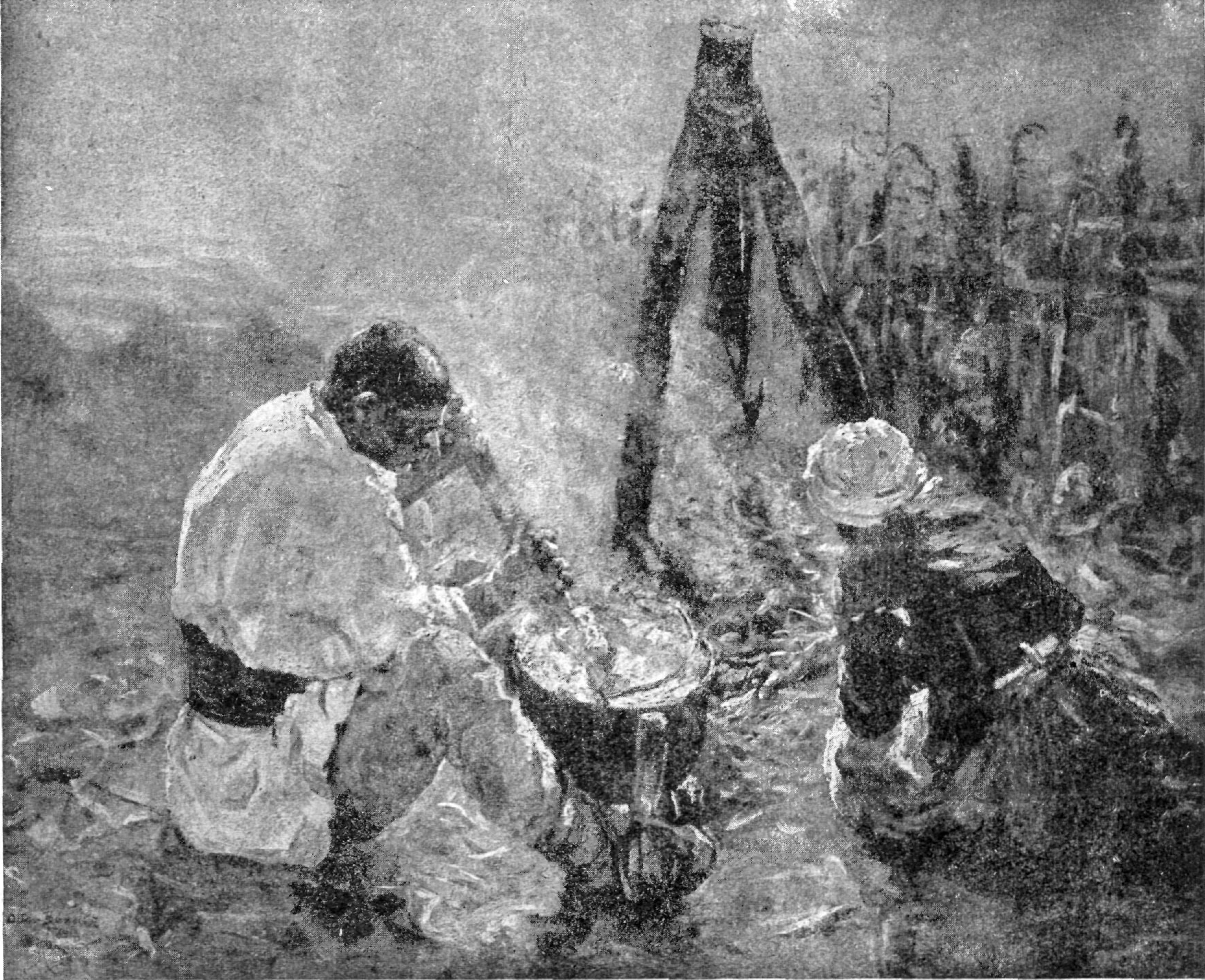
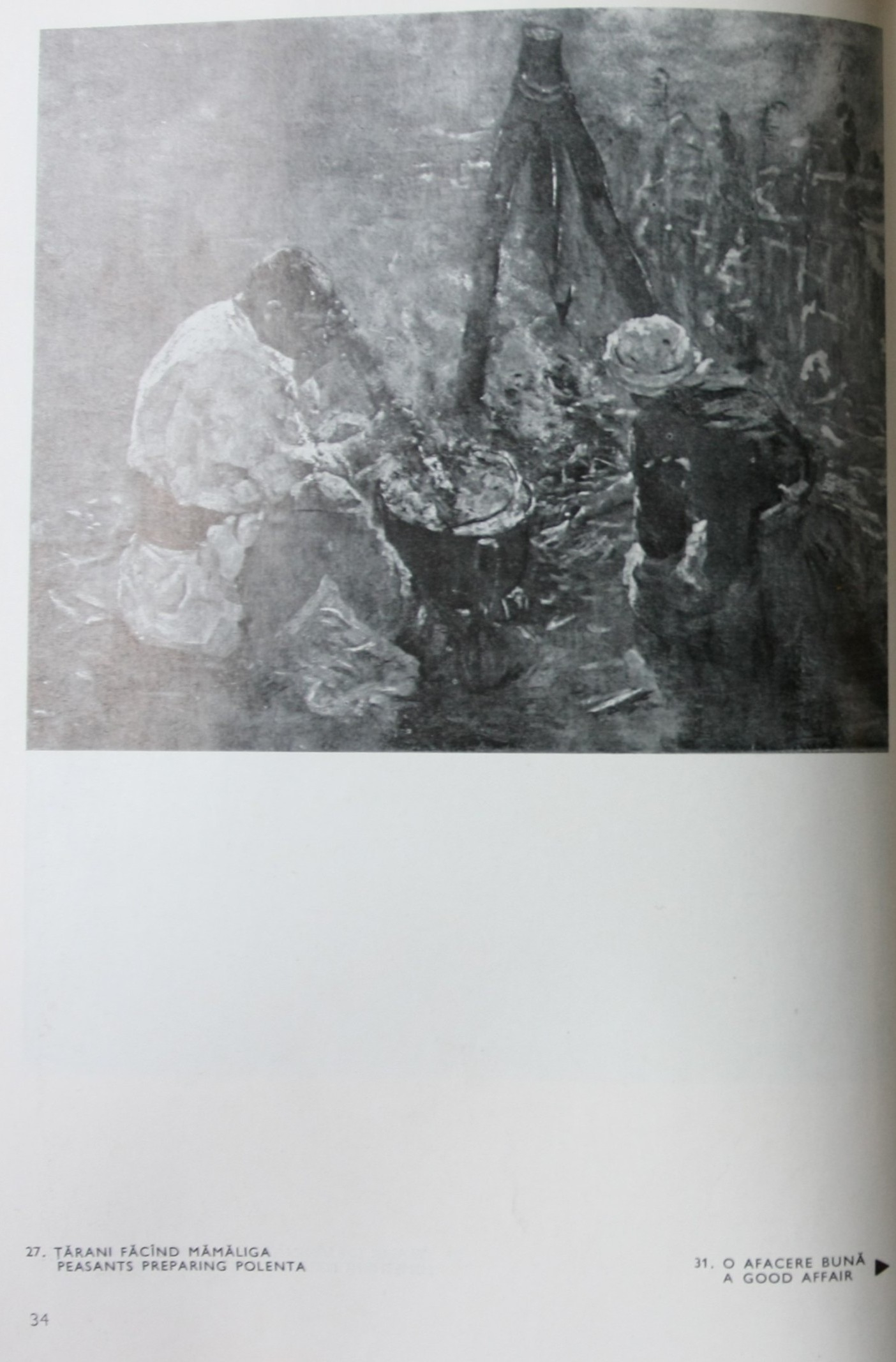
The artwork is reproduced in "Minerva's Calendar", under the name "Corn Harvesting", 1915, page 124. The artwork is reproduced in "Luceafarul Magazine", Year XIII, No. 7. The artwork is reproduced in the catalog "Octav Băncilă 1872-1972", published by the Museum of Art of the Socialist Republic of Romania, Bucharest, 1972, page 34, under the name "Peasants Making Polenta".

In Octav Bancila's creation, the rural world occupies a special place, gradually becoming one of his main sources of inspiration. Since the end of the nineteenth century, the artist has been focusing on the peasant universe, sensitively capturing the people, their work, and the realities of their daily lives. However, the theme becomes more consistent around the year 1900, when the artist pays increasing attention to the peasant, agricultural work, and the living conditions of the rural population. Bancila would often focus on the everyday lives of people, the working class, and the peasants, carefully studying their costumes and customs, managing to pictorially transcribe their entire psychology. The work captures two characters who are turned with their backs, on a cornfield. Near them is a pot where they are preparing polenta and cleaning a few ears of corn. The scene captures a simple moment in the ordinary life of rural people, where the two are not presented in a festive or idealized setting, in elegant outfits, but in their everyday clothes, in an ordinary moment, and similar examples include: "La munca campului", "Pe camp", "Peisaj cu corturi" or "Tarani la scos cartofi" that are found at the Museum of Bucharest or the Research Institute of Eco-Museums in Tulcea. The artist does not view the rural world merely from the perspective of a landscape but tries to present the social reality of the people. The peasant theme is important to the artist because the village represented an essential part of Romanian society. The choice of this theme is related to the artist's interest in the lives of simple people and the social problems of the time they are facing. Through the realism of the scene, by presenting work, and by emphasizing the condition of the peasant, Bancila transforms an everyday scene into an image representative of Romanian society at the end of the nineteenth century and the beginning of the twentieth century, of the condition of the Romanian peasant.

For clarifications regarding the bidding procedure, hammer price costs, guarantee, payment, and collection terms for the winning lot, we recommend carefully reading/re-reading the Bidding Regulations.

For additional information regarding the lot and the auction, please contact the Art Consultants Department.

SESSION
Tue, 20 October 2026, 19:00

Similar lots

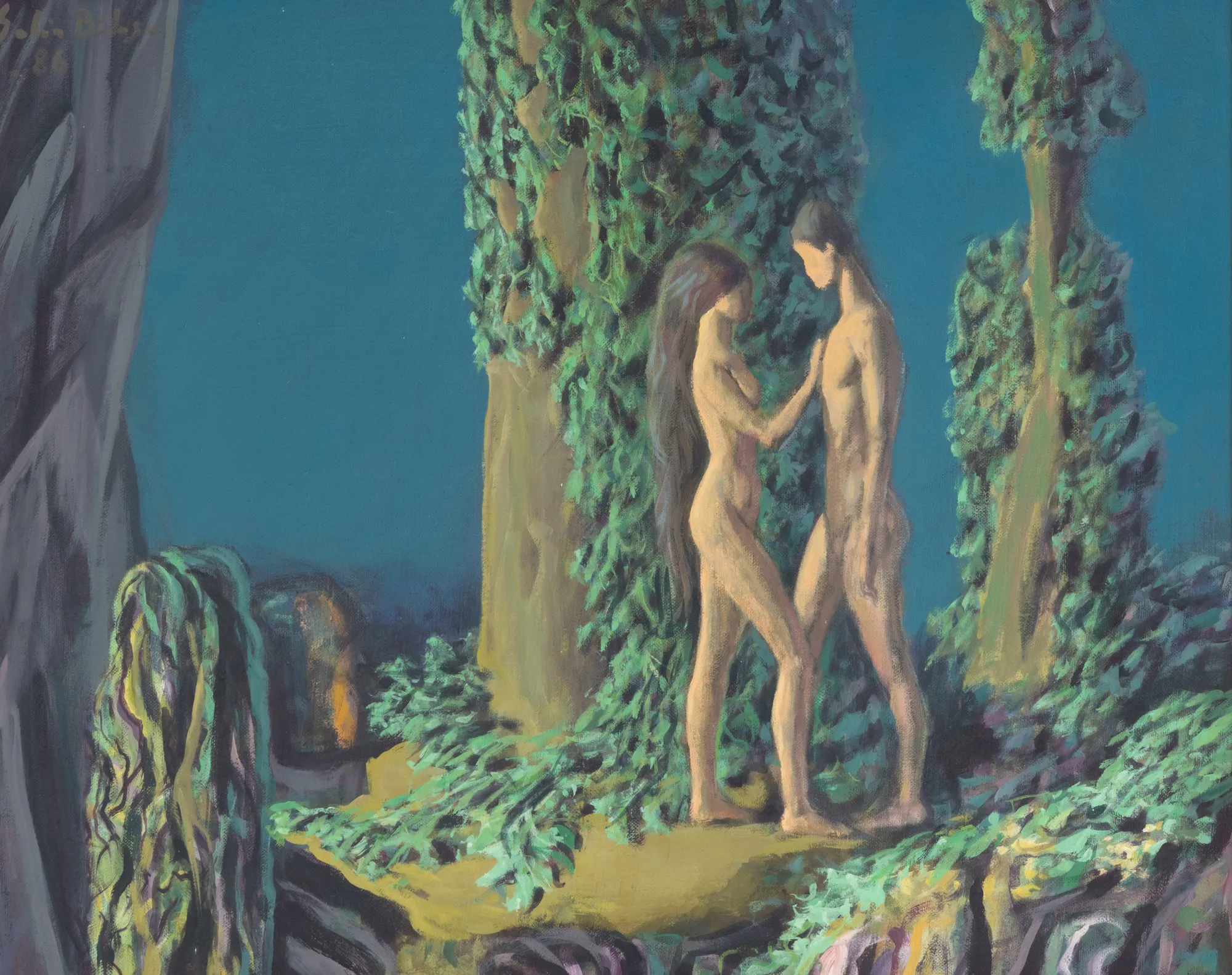
Eden

Eden

Sabin Bălaşa

EUR 26.350
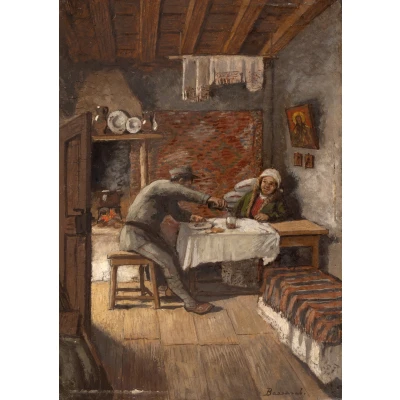
Bourgeois Interior

23. Bourgeois Interior [anii '20]

George Catargi

    Estimate: EUR 900 - 1.500
    Sold EUR 1.000