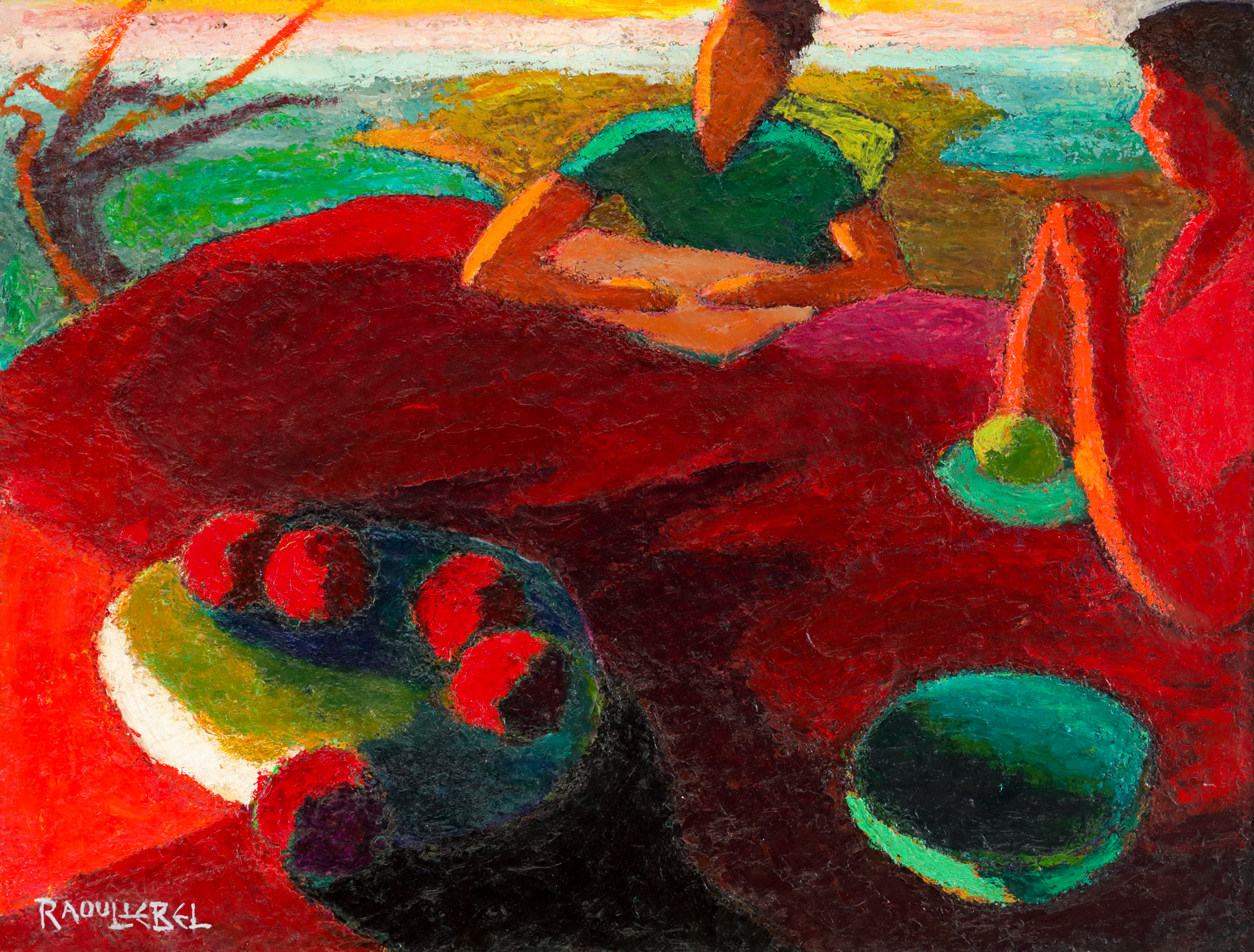
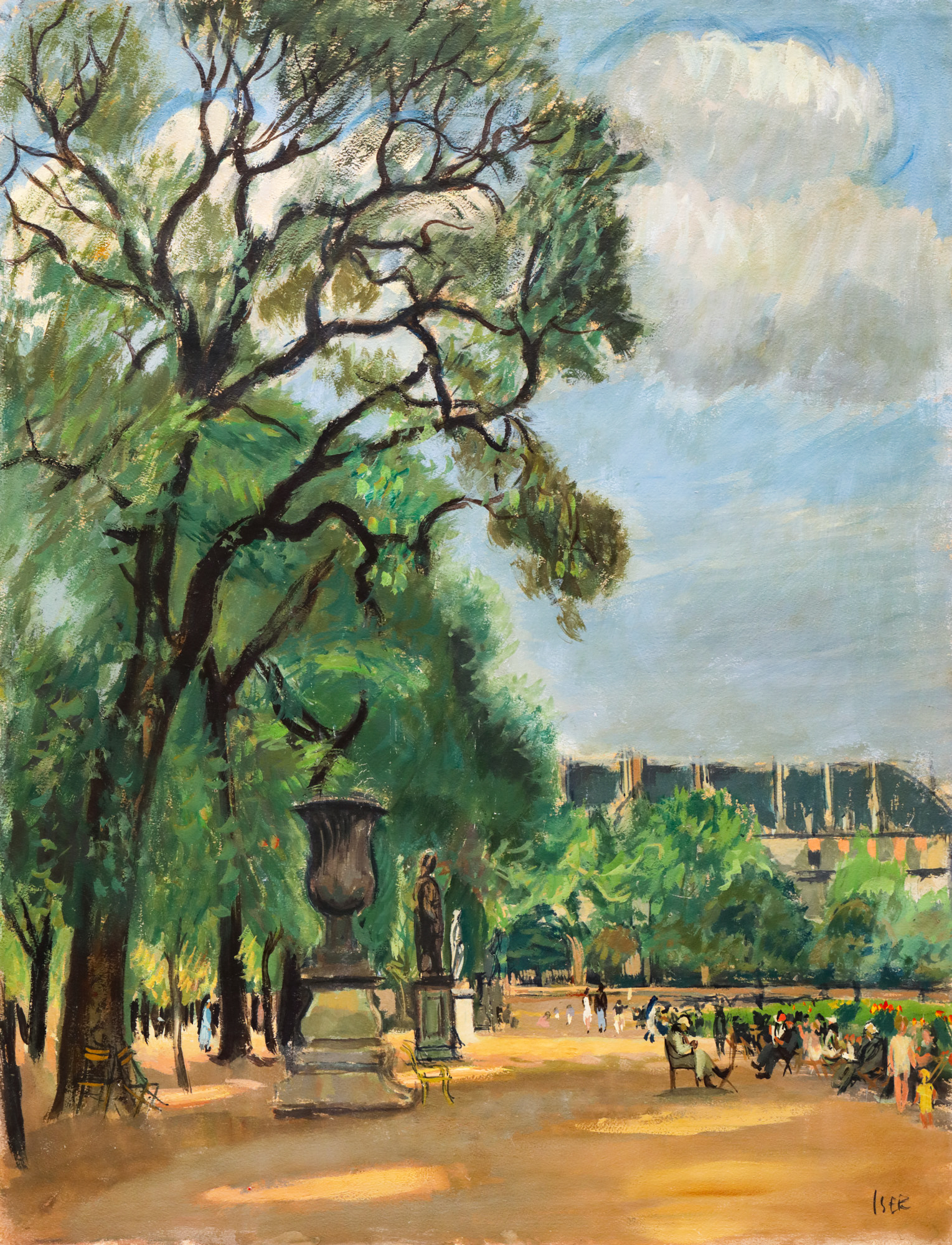
The photos of the lot are informative and indicative, and cannot provide a highly detailed view of the object from all angles. We recommend a careful physical inspection of the lot before bidding.
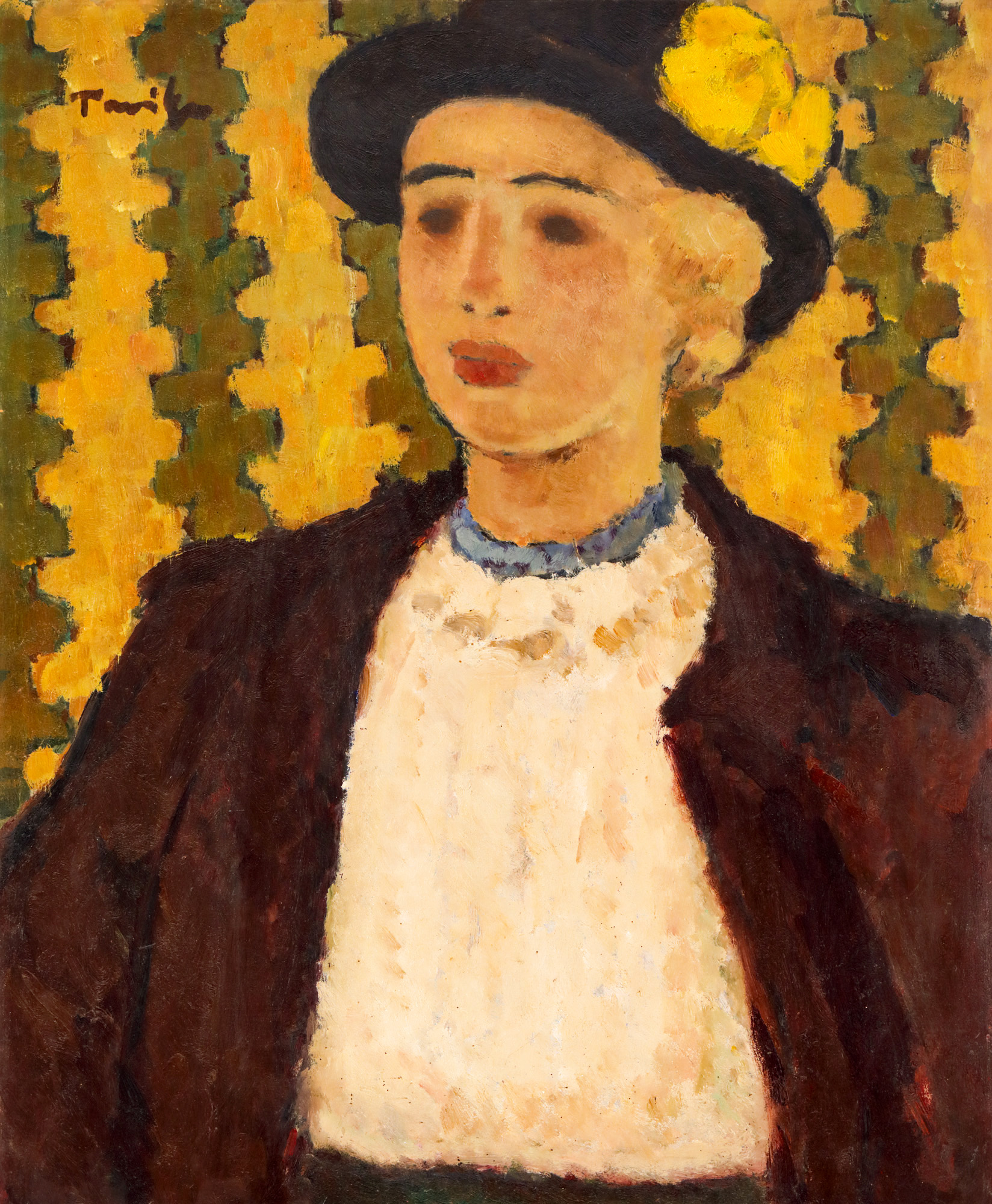
oil on cardboard, 59 x 49 cm, signed top left, in brown, "Tonitza"
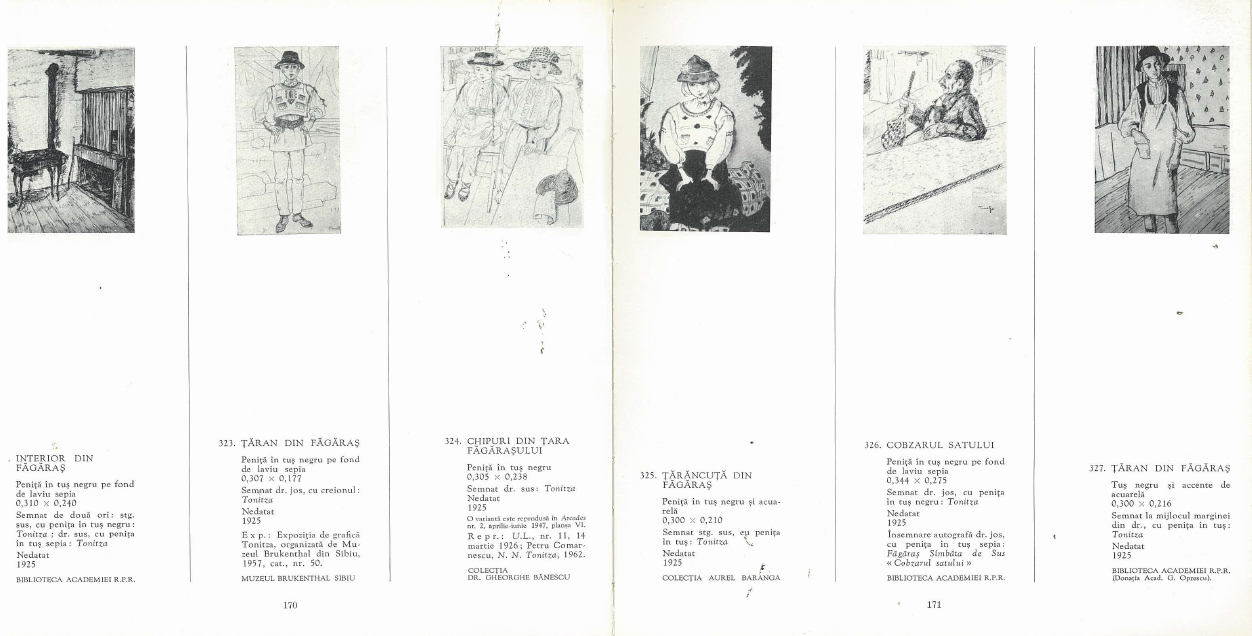
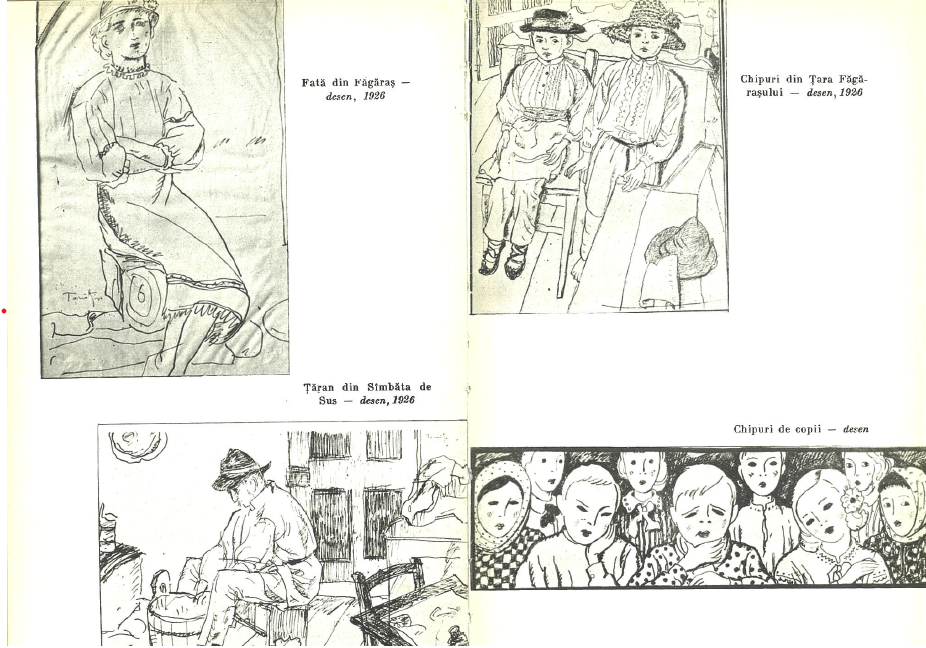
The vocation discovered in childhood, viewed with some hesitation and skepticism by the parents, would be however encouraged by the uncles who provided him with the necessary materials. He would thus manifest his interest in drawing and painting, but he would also undertake his first attempts in the art of theater from his childhood: he would propose directorial concepts and scenographic solutions for shows in which he plays alongside Petru Bulgăraș or Dimitrie Mohor. Assuming the dual role of critic-creator, the artist will continually busy himself with the creation of his own work, as well as with the critical inventory of other authors' art. He will end up identifying the pictorial equivalent of famous writers, the pairs proposed by Tonitza are inspired from international art: Matisse and Stendhal, Van Gogh and Dostoevsky; but he will manage to find similarities in domestic art as well, proposing the pair Petrașcu and Arghezi. Starting from his own example, the artist will insist on becoming a patron of young artists, organizing competitions and supporting the most talented among the little aspirants with big dreams. "From the cradle, from their first scribbles on the floor, from the spark in their eyes, I think I only depict on canvas the emotion of a father," declared Tonitza. Starting from these revelations, we can reduce the universe of childhood to his own pure emotion, discovered especially after taking on the role of pater familias. Arranged in categories of social order, the titles of his works become more than suggestive ”Forest girl”, "Dutch girl”, “Catiusa Lipoveanca”, “Magnate's Girl". However, his works will also be divided into cycles determined by the artist's pilgrimage places - Dobrogea, Mangalia, Țara Făgărașului. The unique style of rendering pupils will undoubtedly remain a mark of his own style. We will discover here the small black, brown or blue dots into which the painter includes an entire universe. Most often, as Barbu Brezianu noted, Tonitza superimposes two or three shades, previously unblended (black over gray or blue; brown over green) thus reaching the final result - "angels with eyes dilated by azure", as Perpessicius observed. Often, the portraits of children preceded a promise the artist had made to the parents (because of financial loans). In 1926, Nicolae Tonitza and his good friend, Ștefan Dimitrescu, will share a journey through their native lands, a journey that will take them to Țara Făgărașului, to Sâmbăta de Sus, in the immediate vicinity of the Brâncovenesc Castle. There is no wonder, therefore, the whole series of portraits dedicated to the children of Făgăraș. We will notice in these works the specific chromatics, evocative of tradition; but also the return to customs or the orientation towards the national particularities. Tonitza preserves and records in his work the authentic spirit he encounters on his pilgrimages. In 1926 he presents, as part of the first exhibition of the Group of the Four, the work "Shepherd's Girl". Made in the same stylistic registry as the present work, the work reveals to us the small black hat crowned with flowers in striking colors. The white shirt with blue inserts, or the ever-present black fur coat are now placed against a background displayed with traditional motifs, in which the artist harmoniously intertwines the shades of yellow and brown. He presents the face as a microcosm on which he intervenes, when it is necessary, with specific details and with a protective lucidity. In the playful theme, he finds musical correspondences to the colors he places in his canvases. He uses predominantly decorative-scenographic backgrounds and focuses on the contrast between the dark background and the muse painted in vivid shades. His literary inclinations will be felt in the visual art he creates, so several writers - here we mention Eugen Ionescu and Barbu Brezianu - will praise his ambivalent talent. Worth mentioning in this context is the friendship Tonitza builds with the "mythological" writer of childhood, Ionel Teodoreanu. Like his friend Teodoreanu, who sometimes adopts a playful perspective in his novels, Tonitza will try to transpose himself into the imaginary of his little models, to write a series of fictional letters, in which he exposes the child's perspective on various deep topics, often difficult to decipher even for adults. Alongside Ionel Teodoreanu, he will work on the "Living Alphabet", a project aimed at involving small souls in deciphering the mystery of transposing letters into images. He thus dedicates both his visual and literary creation to deciphering the mysteries of childhood.
For clarifications regarding the bidding procedure, hammer price costs, guarantee, payment, and collection terms for the winning lot, we recommend carefully reading/re-reading the Bidding Regulations.
For additional information regarding the lot and the auction, please contact the Art Consultants Department.
By choosing "Accept all cookies" you agree to the use of cookies to help us provide you with a better user experience and to analyse website usage. By clicking "Adjust your preferences" you can choose which cookies to allow. Only the essential cookies are necessary for the proper functioning of our website and cannot be refused
Cookie settings
Our website stores four types of cookies. At any time you can choose which cookies you accept and which you refuse. You can read more about what cookies are and what types of cookies we store in our Confidentiality Policy.
are necessary for technical reasons. Without them, this website may not function properly.
are necessary for specific functionality on the website. Without them, some features may be disabled.
allow us to analyse website use and to improve the visitor's experience.
allow us to personalise your experience and to send you relevant content and offers, on this website and other websites.