
Meniu

English
Gifts

Rare Books, Documents, Photography & Posters

Collectible Religious Art

Asian Art, Technical Objects, Taxidermy, Curiosities & Antiques

Jewelry & Watches

Numismatics, Medals, Maps, Arms & Decorations

Luxury, Elegance, Collectible Cars & Beverages

Collectible Folk Art

Sneakers & Toys


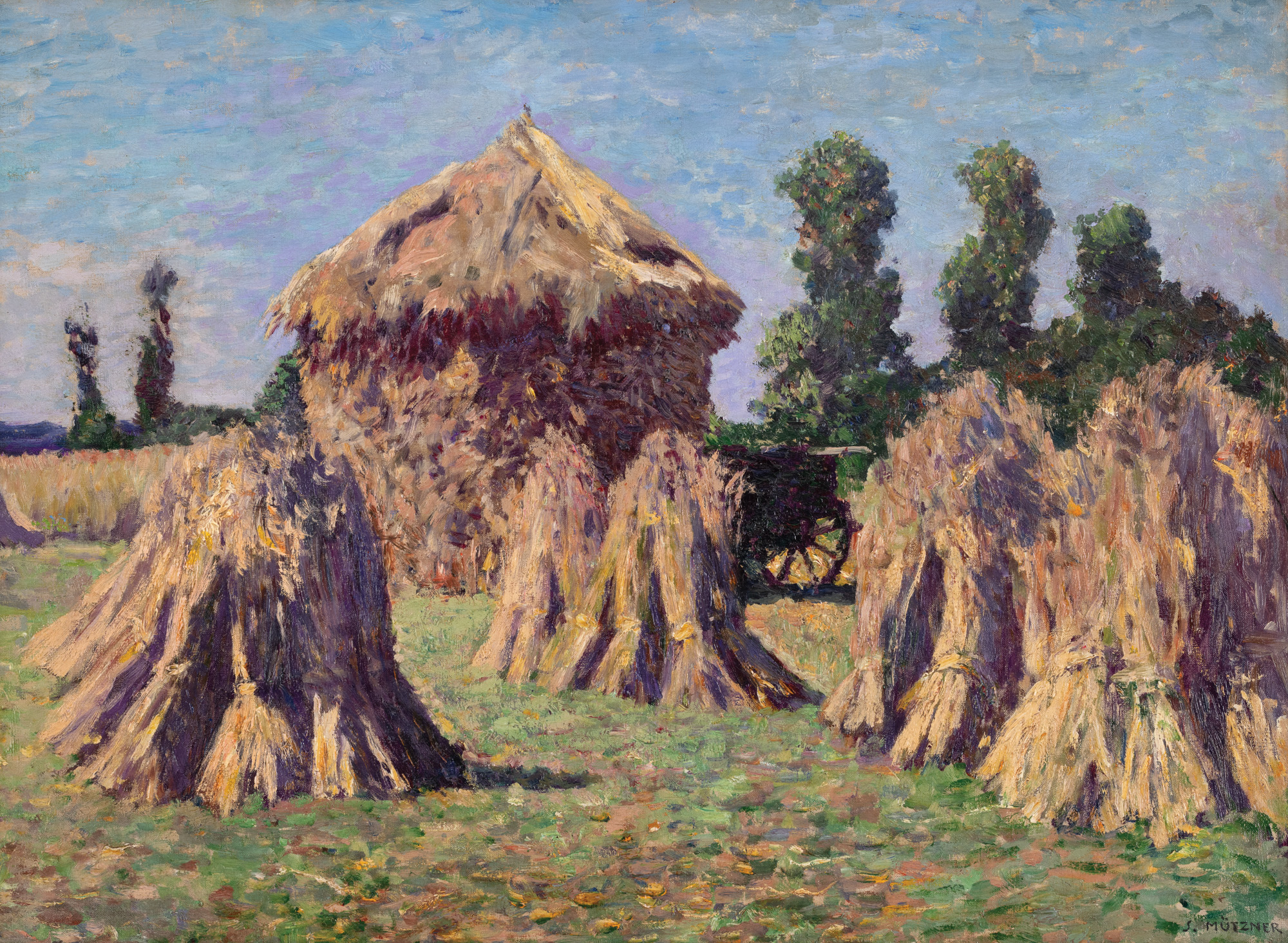
20. Haystacks at Giverny [1925-1930]
The photos of the lot are informative and indicative, and cannot provide a highly detailed view of the object from all angles. We recommend a careful physical inspection of the lot before bidding.

20. Haystacks at Giverny [1925-1930]
1884, Bucureşti - 1959, Bucureşti

Estimate:
EUR 10.000 - 18.000
Sold
EUR 11.000

References

ANDREESCU, Viorica, "Samuel Mützner", Meridiane Publishing House, Bucharest, 1974. MARIAN, Rodica, "Samuel Mützner", Antet Publishing House, Bucharest, 2005.

oil on canvas, 44.5 x 60 cm, signed bottom right, in black, "S. Mutzner"

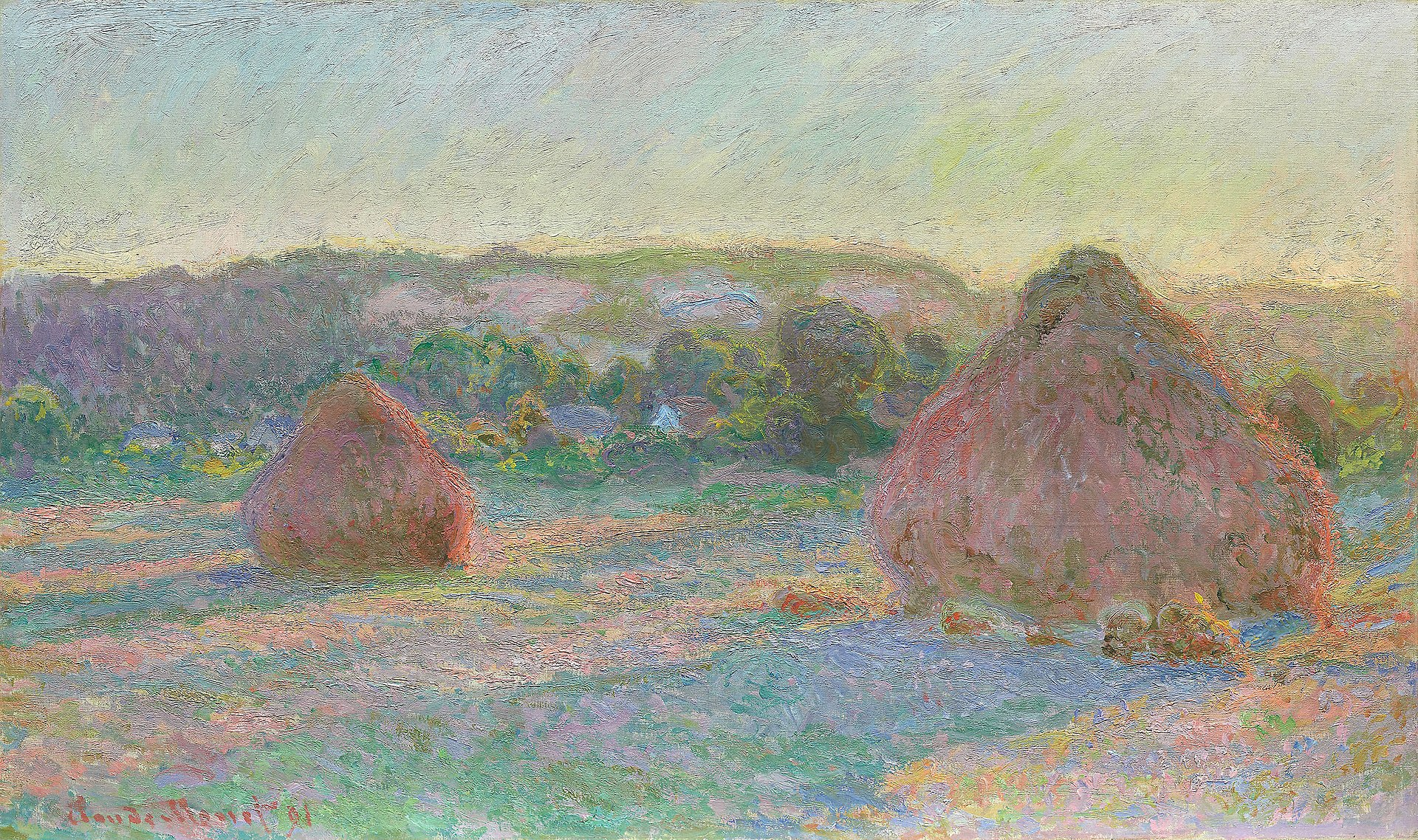
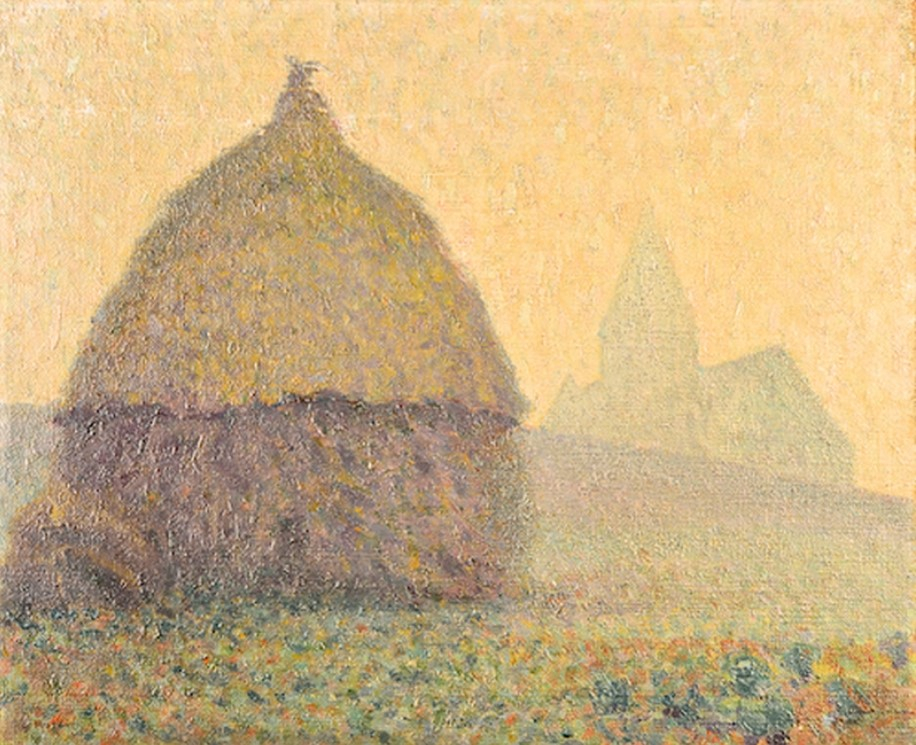
Following his study trip to Paris, Samuel Mützner will abandon the somber tones of the Munich period and will adopt the sunny palette specific to the impressionist painters of Giverny. The one nicknamed "the patriarch of Giverny" was to become one of the main sources of inspiration for the Romanian painter. Mützner thus arrives at Giverny in 1908, where he will stay for two years. About this stage, the artist was to declare: "The two years spent in the village of Giverny in the vicinity of Claude Monet were for me the opening of the road to light and color". As a result, he will excel in rendering light and shadow areas and will successfully execute transitions from one shade to another. He now models his color palette according to the evolution of nature and exploits the force of light with unwavering passion. He transcribes light either subtly or with explosive accents, depending on the state he seeks to reproduce. He keeps short, juxtaposed strokes and blue or green tones with accents of pink, violet or yellow and in works that followed the Giverny moment. He begins to assert himself as a colorist after this prolific encounter with the French master. The undeniable value of his work, acquired through formative knowledge, becomes a true milestone for his evolution as a painter, will be revealed to us regardless of the creative periods that will follow. Major journeys made between 1912-1919 will mark his entire work and will sporadically appear under various influences in his later creations. America, Japan, and also Europe - especially Spain, France or Balchik will return to his creation through specific strokes or color accents. Another work illustrating the same theme - "Hay Stick", found in the collection of the National Museum of Art of Romania, dating from 1908, is also representative of the pointillist period, and clear evidence of the borrowings taken from the fervor of the impressionist settlement where the artist resided for two years. He takes the motif of the hay tops straight from Monet, and uses the same bright palette, the same small, short strokes, intended to produce that division of color. But Samuel Mützner was not the only Romanian painter concerned with pointillism, we also find the technique exemplified in the works of some painters such as N. Dărăscu, Theodorescu-Sion or A. Segal.

For clarifications regarding the bidding procedure, hammer price costs, guarantee, payment, and collection terms for the winning lot, we recommend carefully reading/re-reading the Bidding Regulations.

For additional information regarding the lot and the auction, please contact the Art Consultants Department.
SESSION
Thu, 20 March 2025 17:00

Similar lots

House in Brebu

27. House in Brebu [cca. 1908]

Ştefan Luchian

    Estimate: EUR 4.000 - 6.000
    Sold EUR 4.750
Decebal

7. Decebal

Nicolae Vermont

    Estimate: EUR 300 - 500
    Sold EUR 400