


The photos of the lot are informative and indicative, and cannot provide a highly detailed view of the object from all angles. We recommend a careful physical inspection of the lot before bidding.
The photos of the lot are informative and indicative, and cannot provide a highly detailed view of the object from all angles. We recommend a careful physical inspection of the lot before bidding.
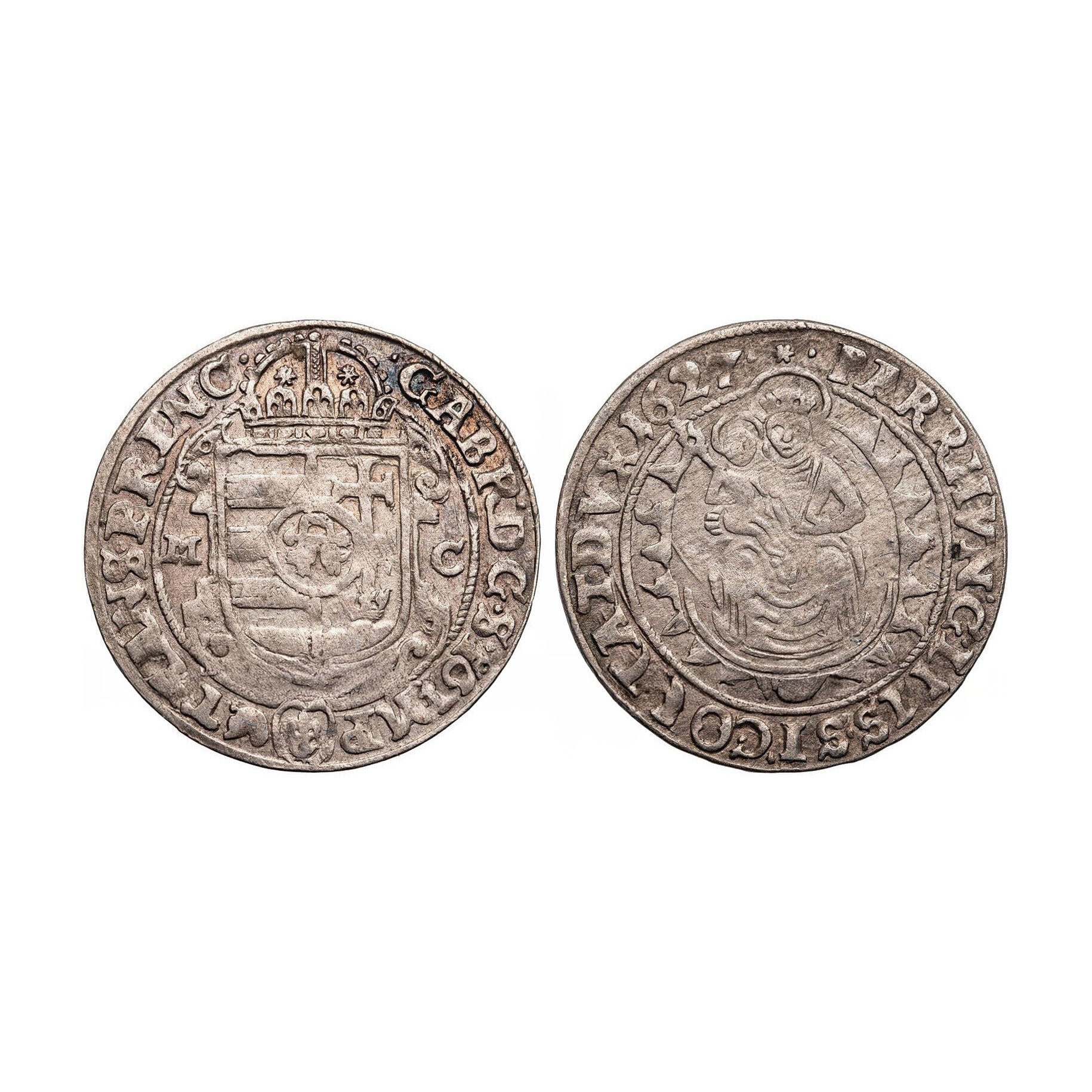
2C. Gros Coin, Gabriel Bethlen, Principality of Transylvania, 1627, silver
Starting price
Pretul de pornire si cel estimat nu sunt preturi de vanzare efective
EUR 200
Session
Wed, 1 July 2026 19:00
0 Zile, 19 Ore, 41 Minute
Time remaining until live auction starts
Brought to you by
Issued in 1627, towards the end of one of the most important reigns in the history of the Principality of Transylvania, this silver coin combines in a small object the political power, dynastic identity, and artistic tradition of Central Europe during the Thirty Years' War. More than just an everyday exchange tool, this piece is a visual document of the era of Gabriel Bethlen, Prince of Transylvania between 1613 and 1629, a leader associated with international affirmation, economic consolidation, and cultural development of the principality.
The obverse displays a crowned shield, composed of the heraldic emblems of the territories claimed by the prince and at the center, the Bethlen family coat of arms. The initials of the mint, M-C, flank the composition. The crown, compartmented shield, and side ornaments transform the restricted surface of the coin into a genuine heraldic miniature, meant to convey authority, continuity, and dynastic prestige.
The obverse legend appears as: "GAB · D · G · SA · RO · IM · ET · TRAN · PRIN". This develops the Latin titulature "Gabriel Dei Gratia Sacri Romani Imperii et Transylvaniae Princeps", translated into English as: "Gabriel, by the Grace of God, Prince of the Holy Roman Empire and Transylvania". This formula is not merely a decorative element, but a carefully condensed political statement, through which the issuer affirms his position in the complex power system of Central Europe.
The reverse portrays the Virgin Mary with the child, seated frontally and surrounded by rays, an image inspired by the monetary tradition of the Kingdom of Hungary. The drapes, luminous halo, and solemn posture confer a protective and ceremonial character to the scene. The presence of this image on the coin of a Calvinist prince illustrates the strength and continuity of consecrated monetary symbols: the Marian iconography was immediately recognizable, inspired trust, and linked Bethlen's issuance to a political and economic tradition older than the confessional differences of that era.
The reverse legend is thus rendered: "PAR · REG · HUN · DO · SIC · CO · OP · R · DU · 1627". The developed form is "Partium Regni Hungariae Dominus, Siculorum Comes, Oppoliae Ratiboriae Dux", translated: "Master of the parts of the Kingdom of Hungary, Count of the Székelys, Duke of Opole and Racibórz, 1627". The listing of the titles recalls Gabriel Bethlen's extensive political ambitions and his active role in the confrontations between the Habsburgs, Protestant Princes, and the Ottoman Empire. The date integrated into the legend affixes the piece to a time when Transylvania was directly involved in the major diplomatic and military games of the continent.
Gabriel Bethlen led a principality located between two major spheres of influence, the Habsburg and the Ottoman, but he constantly sought to maintain its autonomy and transform it into a European actor. His court at Alba Iulia became a center of diplomacy, education, and culture, and the monetary circulation supported both the internal economic life and commercial links with Hungary, Poland, Silesia, and the Germanic space. The 1627 groat preserves precisely this dual identity of Transylvania: principality with strong local traditions, but deeply connected to the political, artistic, and economic language of Central Europe.
The coin's interest thus extends beyond the strict domain of numismatics. For history enthusiasts, the coin is a direct testimony of the era when Transylvania was at the center of European confrontations; for art lovers, it offers a heraldic and religious composition meticulously adapted to a diameter of only a few centimeters; The silver, the patina of time, and traces of the manual striking process give each specimen an individual presence, impossible to replicate identically.
By associating the princely coat of arms with the image of the Madonna and by the titulature that unites Transylvania, the parts of the Kingdom of Hungary, the Székely community, and the Silesian duchies, Gabriel Bethlen's groat can be seen as a miniature political map. It is an object that actually circulated in the world of the 17th century and that, almost four centuries later, continues to speak about power, faith, trade, and identity. An evocative piece for both a numismatic collection and an ensemble dedicated to the history of Transylvania, heraldic art, or Central European heritage.
Monetary type attributed to the Košice (Kassa) mint, with catalog references Resch 418, KM 169, Huszár 434, and ÉHIII 261/c.
Dimensions
custom d=24.92 mm
Description
silver
ADDITIONAL INFORMATION
For clarifications regarding the bidding procedure, hammer price costs, guarantee, payment, and collection terms for the winning lot, we recommend carefully reading/re-reading the Bidding Regulations.
For additional information regarding the lot and the auction, please contact the Art Consultants Department.
Detalii
Issued in 1627, towards the end of one of the most important reigns in the history of the Principality of Transylvania, this silver coin combines in a small object the political power, dynastic identity, and artistic tradition of Central Europe during the Thirty Years' War. More than just an everyday exchange tool, this piece is a visual document of the era of Gabriel Bethlen, Prince of Transylvania between 1613 and 1629, a leader associated with international affirmation, economic consolidation, and cultural development of the principality.
The obverse displays a crowned shield, composed of the heraldic emblems of the territories claimed by the prince and at the center, the Bethlen family coat of arms. The initials of the mint, M-C, flank the composition. The crown, compartmented shield, and side ornaments transform the restricted surface of the coin into a genuine heraldic miniature, meant to convey authority, continuity, and dynastic prestige.
The obverse legend appears as: "GAB · D · G · SA · RO · IM · ET · TRAN · PRIN". This develops the Latin titulature "Gabriel Dei Gratia Sacri Romani Imperii et Transylvaniae Princeps", translated into English as: "Gabriel, by the Grace of God, Prince of the Holy Roman Empire and Transylvania". This formula is not merely a decorative element, but a carefully condensed political statement, through which the issuer affirms his position in the complex power system of Central Europe.
The reverse portrays the Virgin Mary with the child, seated frontally and surrounded by rays, an image inspired by the monetary tradition of the Kingdom of Hungary. The drapes, luminous halo, and solemn posture confer a protective and ceremonial character to the scene. The presence of this image on the coin of a Calvinist prince illustrates the strength and continuity of consecrated monetary symbols: the Marian iconography was immediately recognizable, inspired trust, and linked Bethlen's issuance to a political and economic tradition older than the confessional differences of that era.
The reverse legend is thus rendered: "PAR · REG · HUN · DO · SIC · CO · OP · R · DU · 1627". The developed form is "Partium Regni Hungariae Dominus, Siculorum Comes, Oppoliae Ratiboriae Dux", translated: "Master of the parts of the Kingdom of Hungary, Count of the Székelys, Duke of Opole and Racibórz, 1627". The listing of the titles recalls Gabriel Bethlen's extensive political ambitions and his active role in the confrontations between the Habsburgs, Protestant Princes, and the Ottoman Empire. The date integrated into the legend affixes the piece to a time when Transylvania was directly involved in the major diplomatic and military games of the continent.
Gabriel Bethlen led a principality located between two major spheres of influence, the Habsburg and the Ottoman, but he constantly sought to maintain its autonomy and transform it into a European actor. His court at Alba Iulia became a center of diplomacy, education, and culture, and the monetary circulation supported both the internal economic life and commercial links with Hungary, Poland, Silesia, and the Germanic space. The 1627 groat preserves precisely this dual identity of Transylvania: principality with strong local traditions, but deeply connected to the political, artistic, and economic language of Central Europe.
The coin's interest thus extends beyond the strict domain of numismatics. For history enthusiasts, the coin is a direct testimony of the era when Transylvania was at the center of European confrontations; for art lovers, it offers a heraldic and religious composition meticulously adapted to a diameter of only a few centimeters; The silver, the patina of time, and traces of the manual striking process give each specimen an individual presence, impossible to replicate identically.
By associating the princely coat of arms with the image of the Madonna and by the titulature that unites Transylvania, the parts of the Kingdom of Hungary, the Székely community, and the Silesian duchies, Gabriel Bethlen's groat can be seen as a miniature political map. It is an object that actually circulated in the world of the 17th century and that, almost four centuries later, continues to speak about power, faith, trade, and identity. An evocative piece for both a numismatic collection and an ensemble dedicated to the history of Transylvania, heraldic art, or Central European heritage.
Monetary type attributed to the Košice (Kassa) mint, with catalog references Resch 418, KM 169, Huszár 434, and ÉHIII 261/c.
ADDITIONAL INFORMATION
For clarifications regarding the bidding procedure, hammer price costs, guarantee, payment, and collection terms for the winning lot, we recommend carefully reading/re-reading the Bidding Regulations.
For additional information regarding the lot and the auction, please contact the Art Consultants Department.
Dimensions
custom d=24.92 mm
Description
silver
Brought to you by
Similar lots
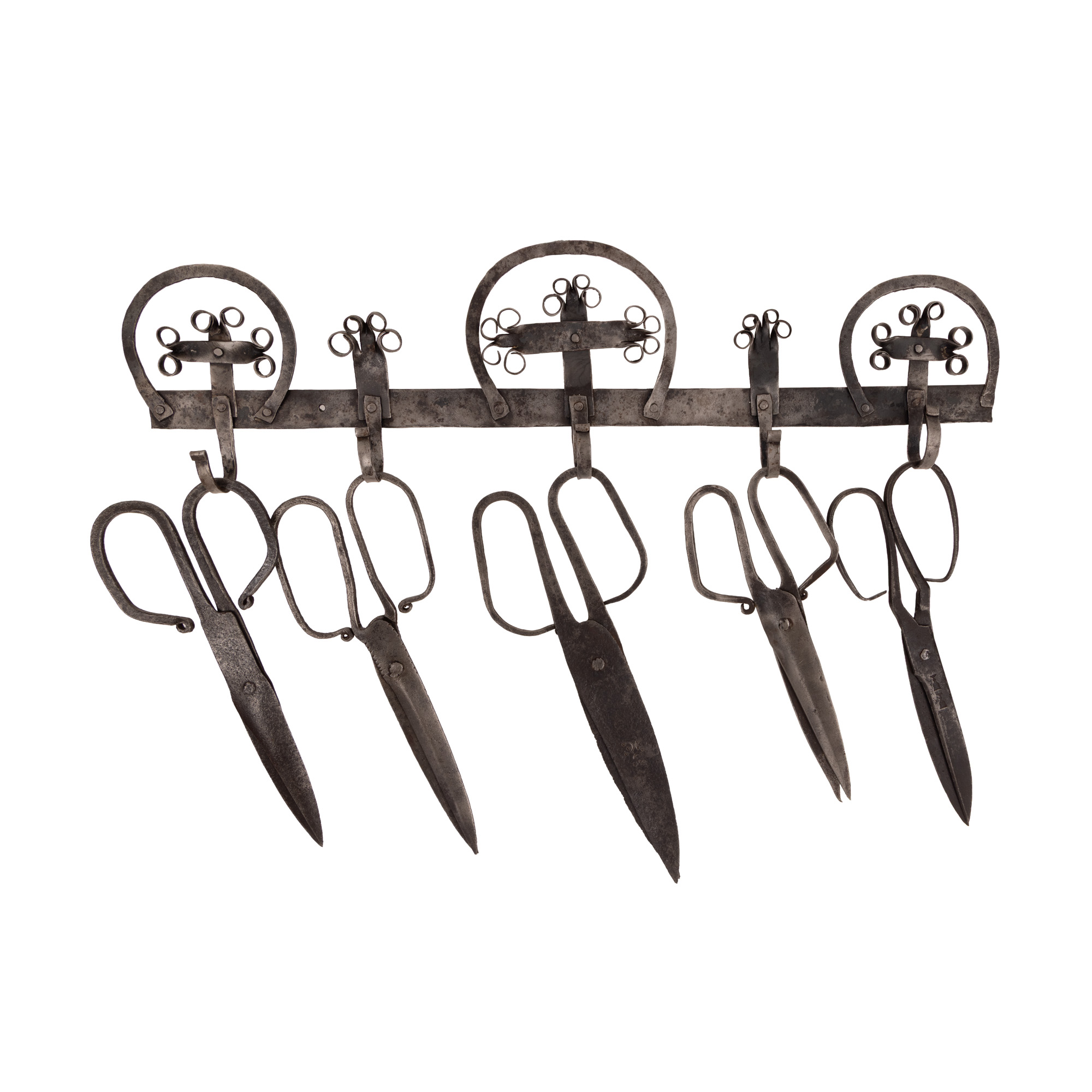
53. Collection of scissors, possibly Transylvanian workshop, 18th-19th century
Starting price
EUR 300
0 Zile, 19 Ore, 41 Minute
Time remaining until live auction starts
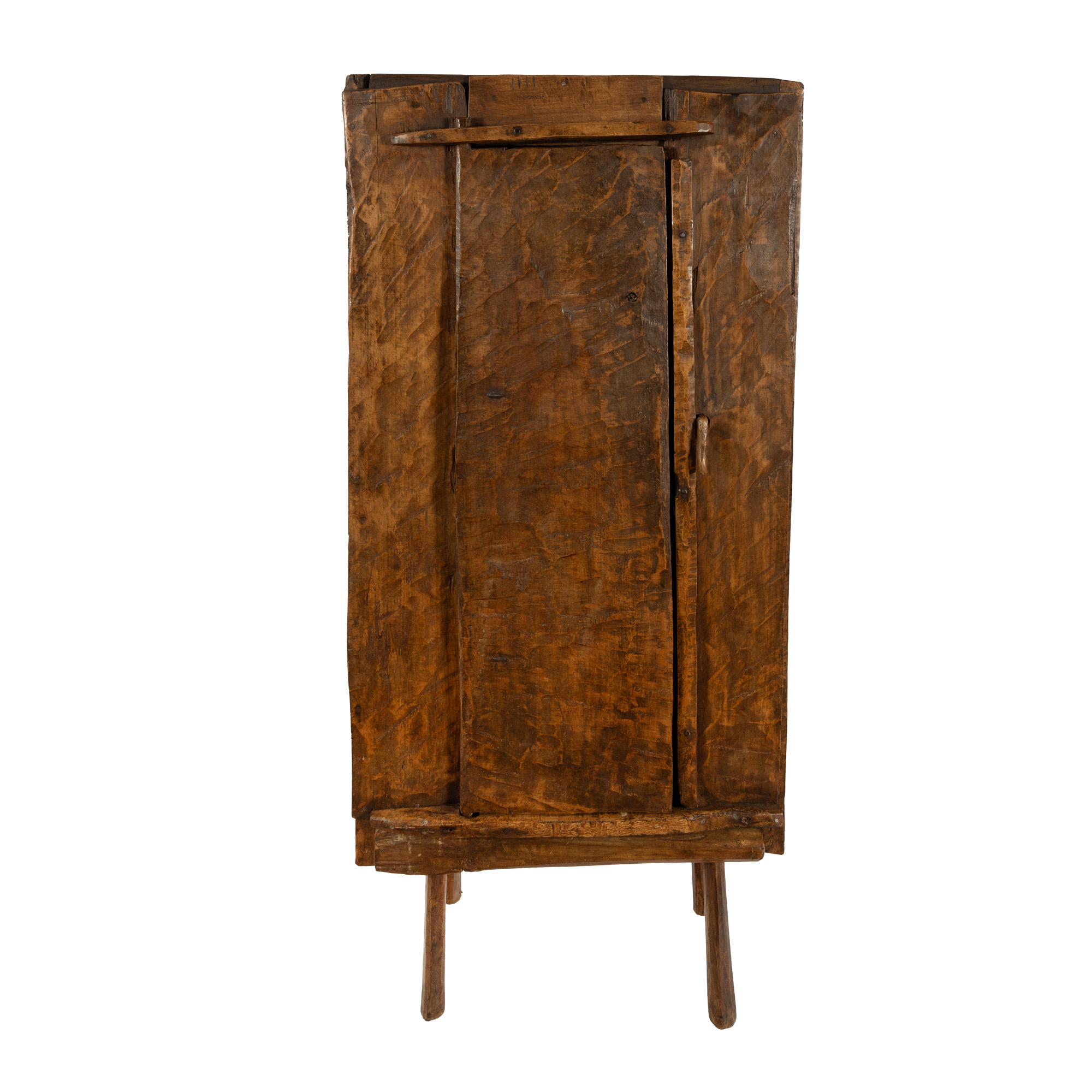
91. Peasant cabinet, workshop from Oltenia, end of the 19th-beginning of the 20th century, rare, collectible piece
Starting price
EUR 400
0 Zile, 19 Ore, 41 Minute
Time remaining until live auction starts
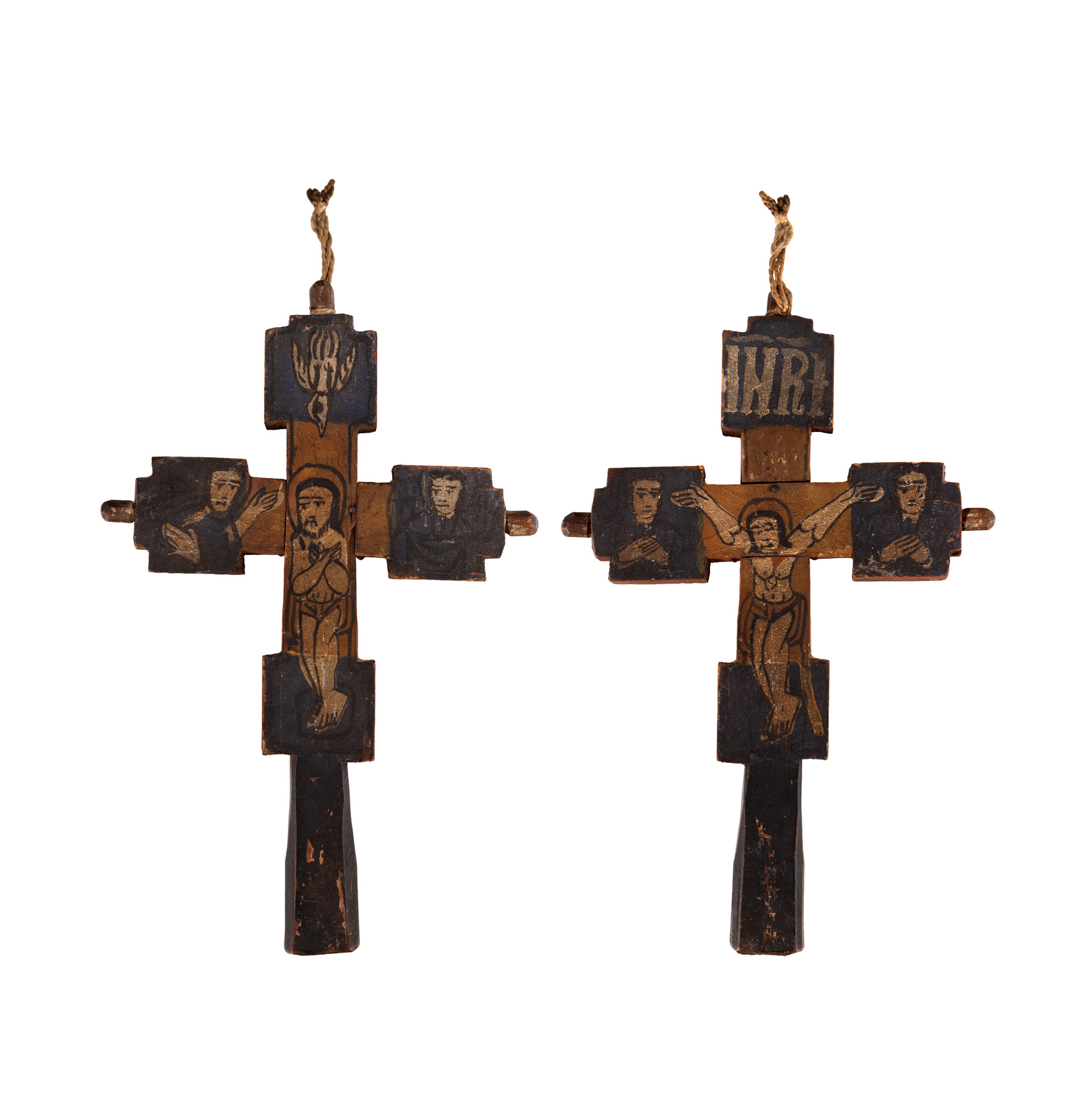
98. Hand cross, decorated with the scenes of "Crucifixion" and "Baptism", from the Poienaru family workshop in Laz, early 20th century
Starting price
EUR 75
0 Zile, 19 Ore, 41 Minute
Time remaining until live auction starts
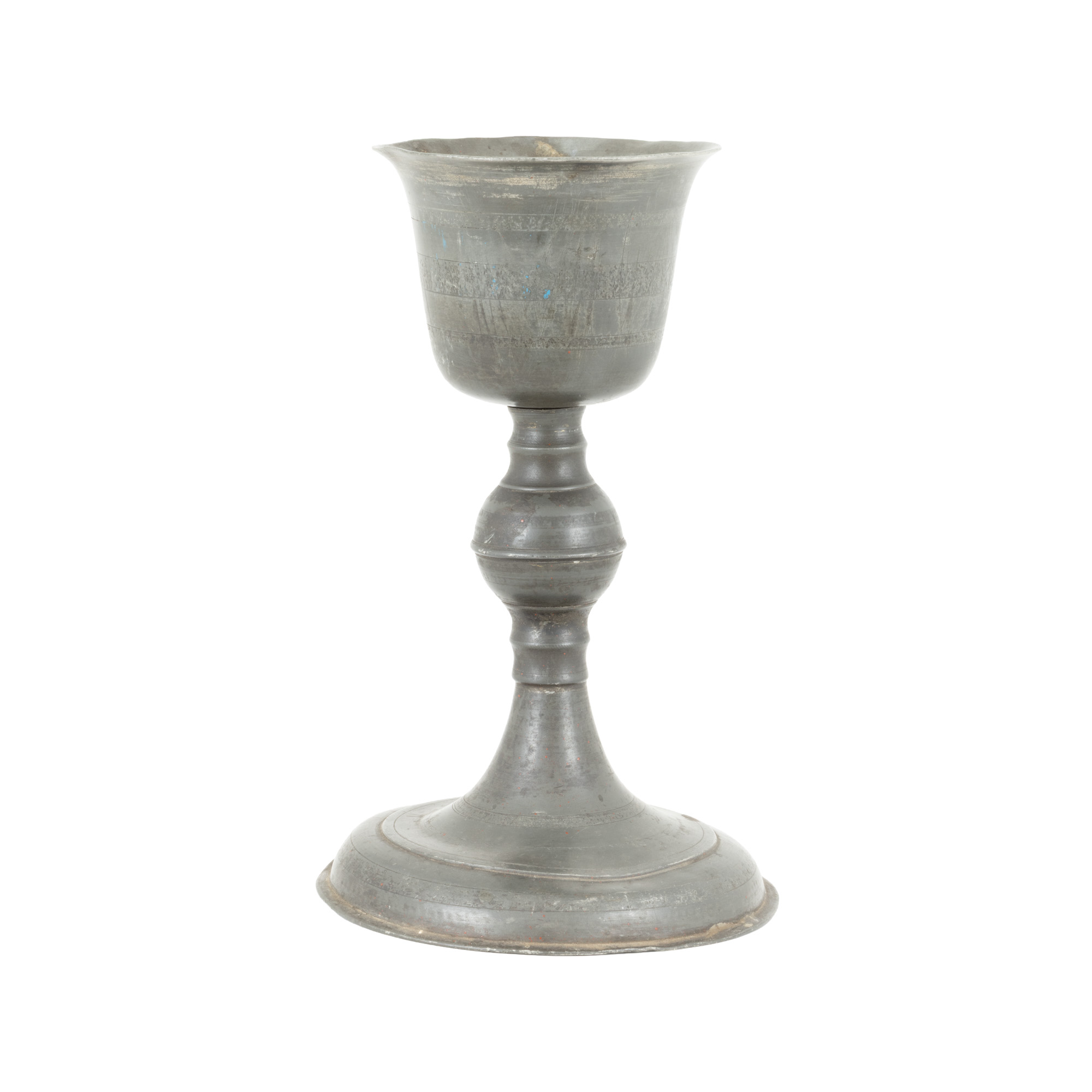
181. Tin mug, Transylvanian workshop, 19th century
Starting price
EUR 100
0 Zile, 19 Ore, 41 Minute
Time remaining until live auction starts