

The photos of the lot are informative and indicative, and cannot provide a highly detailed view of the object from all angles. We recommend a careful physical inspection of the lot before bidding.
The photos of the lot are informative and indicative, and cannot provide a highly detailed view of the object from all angles. We recommend a careful physical inspection of the lot before bidding.
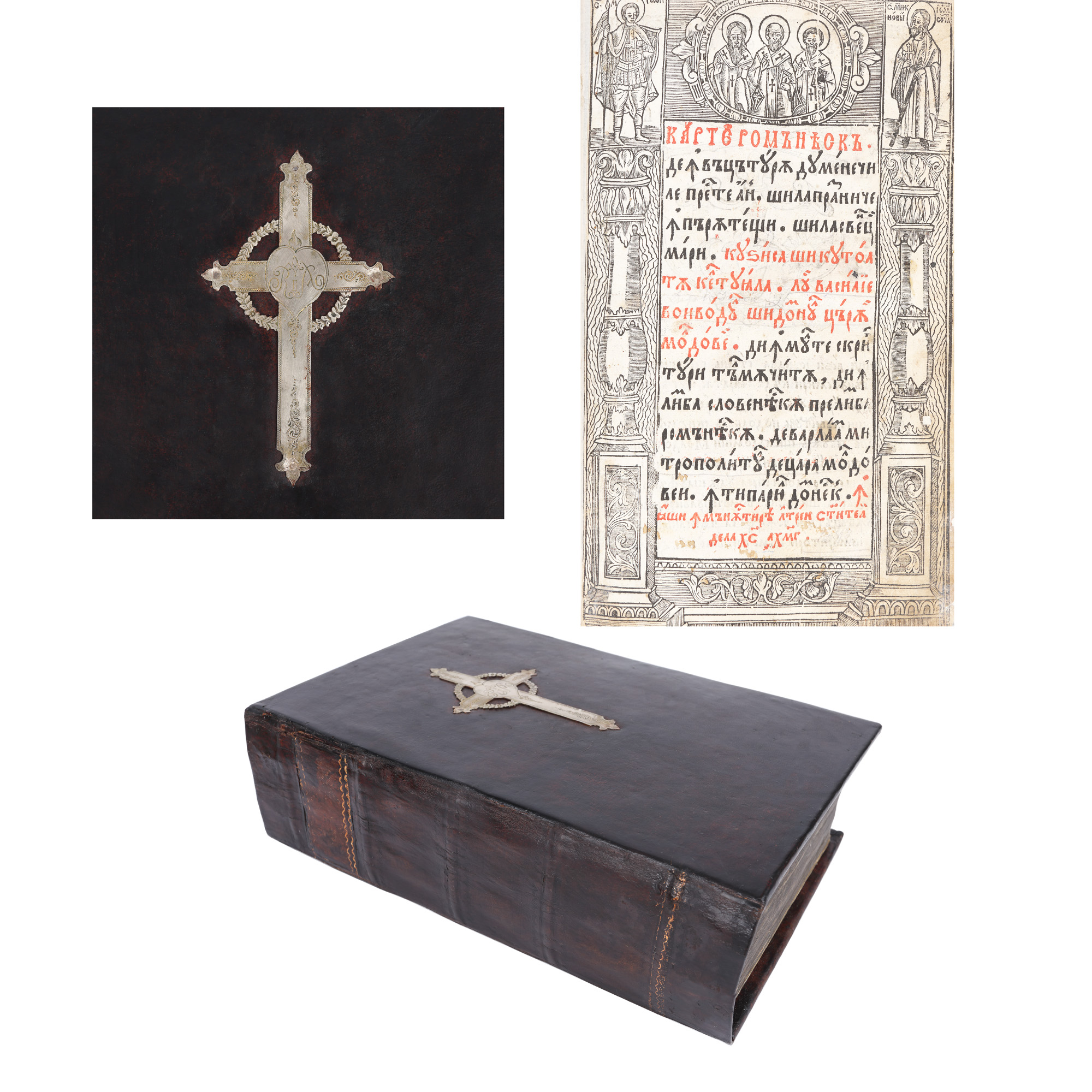
52. "Carte românească de învățătură (Cazania lui Varlaam)" ("Romanian book of teachings (The Homiliary of Varlaam)"), edited by Metropolitan Varlaam, printed in the royal typography of the Monastery "Trei Ierarhi" ("Three Hierarchs"), during the reign of Vasile Lupu, editio princeps, Iași, 1643, the first book written in Romanian, museum item, collector’s item
Starting price
Pretul de pornire si cel estimat nu sunt preturi de vanzare efective
EUR 5.000
Sold
Pretul de pornire si cel estimat nu sunt preturi de vanzare efective
EUR 12.000
Session
Thu, 17 November 2022 19:00
Brought to you by
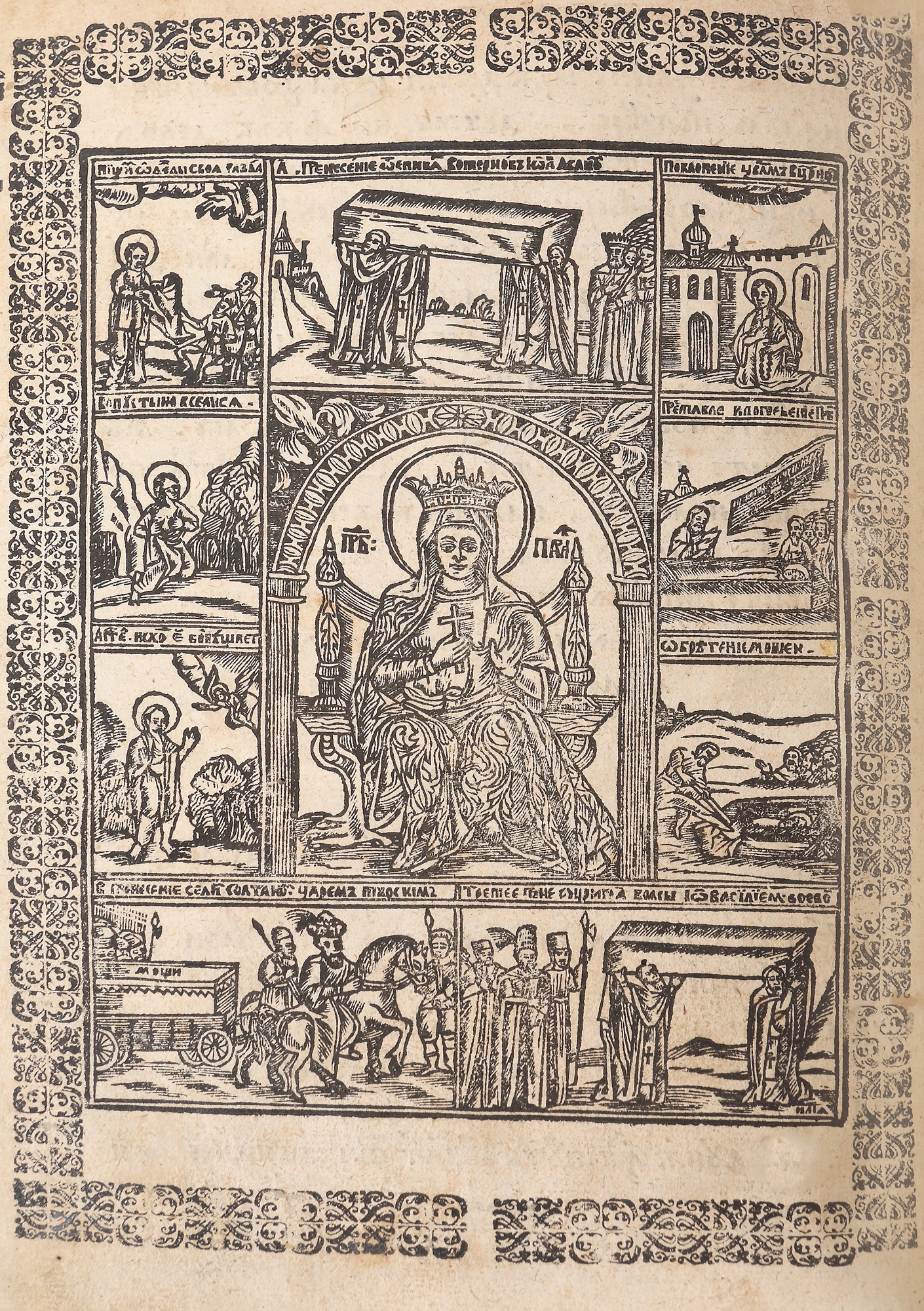
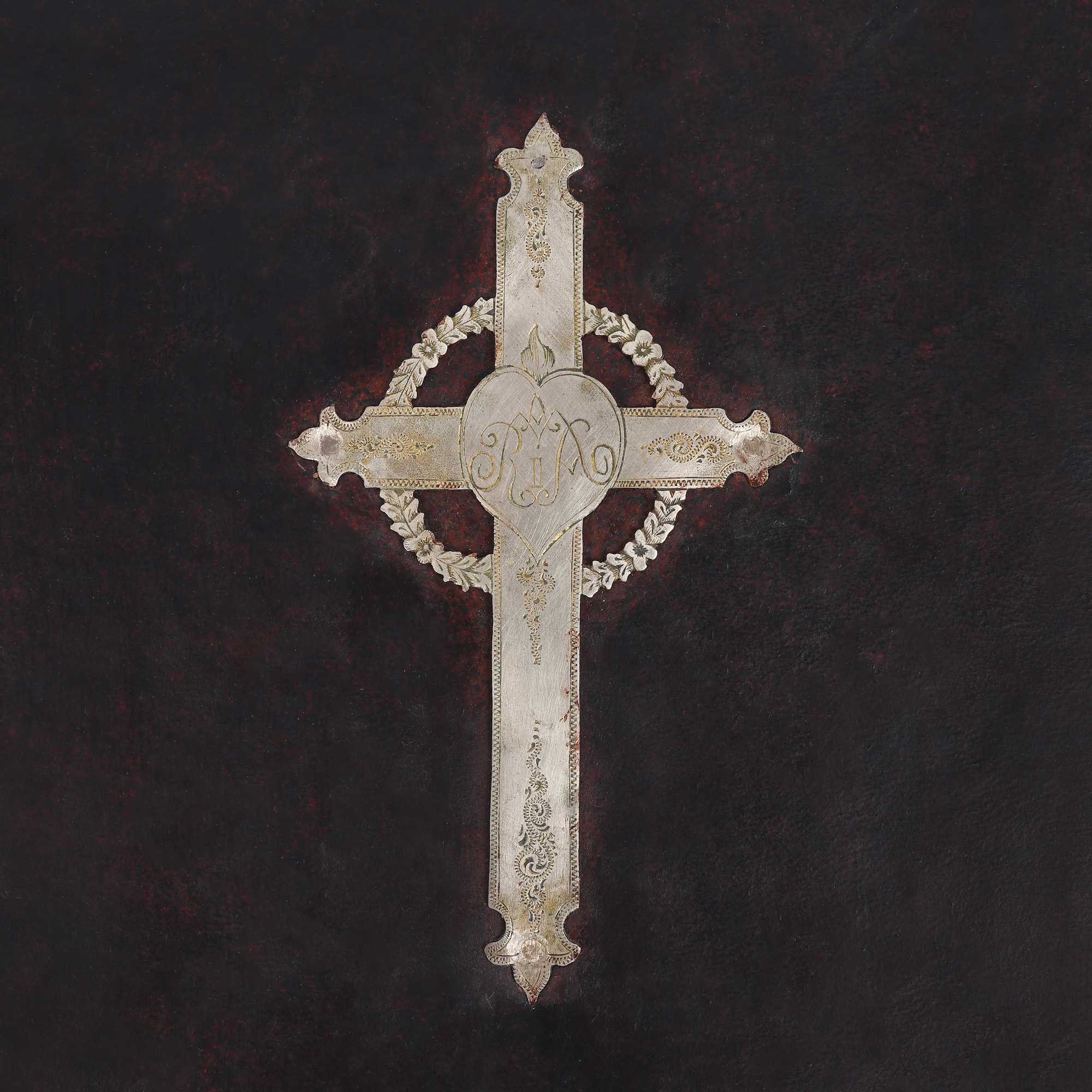
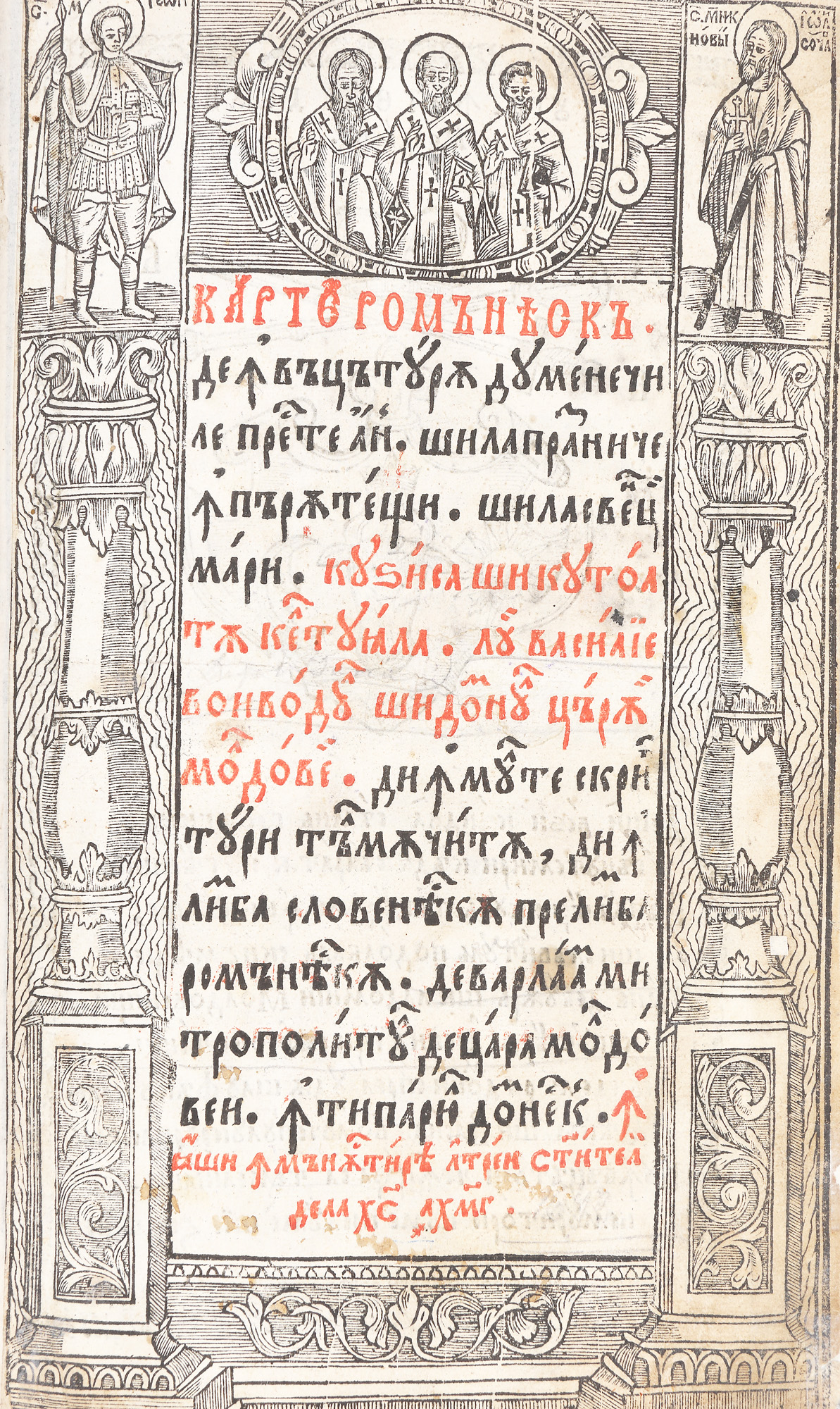
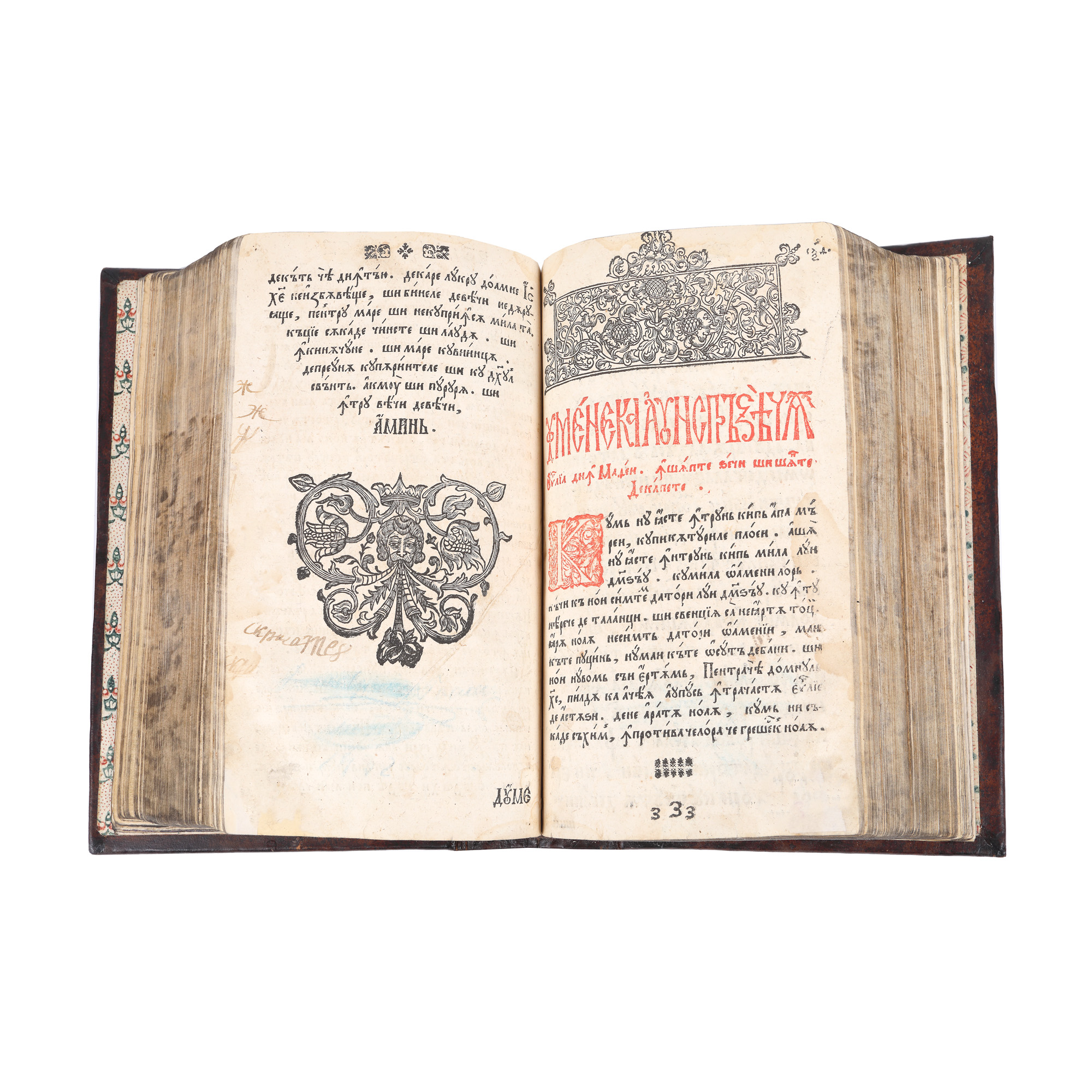
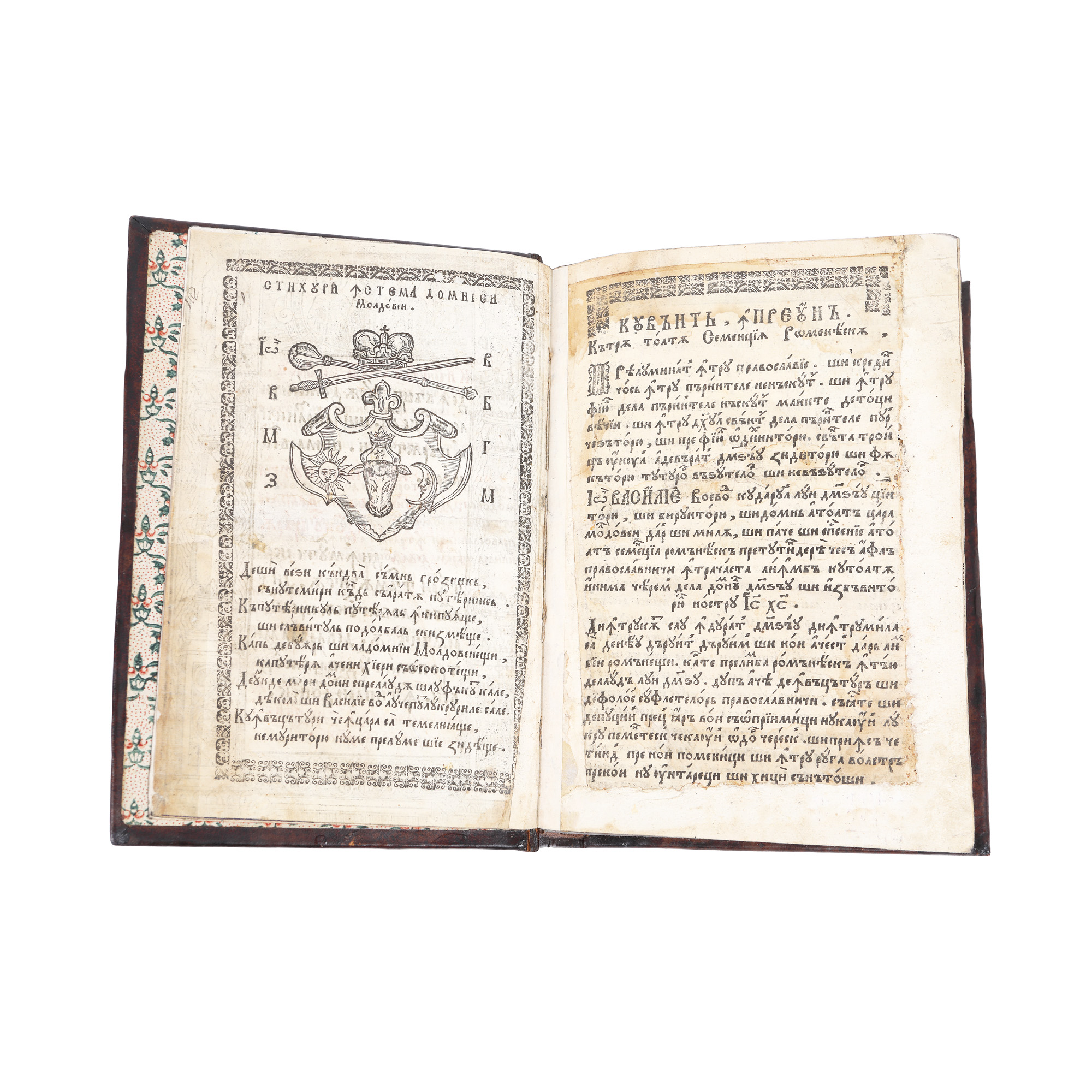
The printed ritualistic book has 3+384+116+4 pages (with frequent numbering errors), printed in black and red, with two types of characters, large and small (depending on which the page has 19 or 28 rows), the text is adorned with engravings, frontispiece, initials and vignettes. The pagination indicates a complete copy. The copies put on the market were used: a single-color title page (printed in black) in the year 1641, a title page with the text printed in black and red, framed by columns and engravings, and the year 1643, and a title page with the text printed in black and red, framed by engravings, in the year 1643. All three title pages have, on the reverse side, the coat of arms of Moldova, accompanied by the phrase the Word together to all the Romanian population, of ruler Vasile Lupu and Predoslovia to readers, of Varlaam. The two prints or print-runs (A, B) from 1643 make up the editio princeps of the Homiliary of the scholar Metropolitan Varlaam. It belongs to print-run A, with the title page decorated with columns (like the famous Bible from Ostrog (1581), used as a model), and the pages at the beginning and end are printed in one colour, in black ink. The book binding is made of boards wrapped in brown leather. The bookend, with bindings, was ornate with ribbed strips, currently erased. The placement of the ornaments on the first cover completes the item, with a real artistic effect, a large silver cross, with the arms decorated by means of incision. The symbolism in the field of the cross indicates Western influences of the Cult of the Sacred Heart of Jesus. The origin of the book from the Land of Sătmarului, inhabited in the past by a large number of Greek-Catholic believers, seems to indicate the creation of the piece of art in those lands during the time of the Enlightenment. This was written by the Metropolitan scholar of Moldova on the basis of several internal, Romanian, and external, Slavonic sources, at the urging and expense of ruler Vasile Lupu, the writing appearing in the royal typography of the Monastery "Trei Ierarhi" ("Three Hierarchs"). The graphic of the copy is common for the editio princeps. We note the famous engravings, attributable to the artist Ilia Anagnoste, with the portraits of Voivode Vasile Lupu and Mrs. Ecaterina (placed at the top of the teaching for the Easter holiday), engraving with the scene of St. Teodor killing the dragon and the great scene of St. Pious Paraschiva, with processions occasioned by the finding of relics. We note that the copy has the most complete version, containing the legend in Slavonic with the name of the Romanian-Bulgarian Tsar Ioan Asan II at the top, and the scene with the ruler Vasile Lupu accompanying the procession with relics on the way to Iași at the bottom. A special significance is given by the engraving depicting St. Ioan cel Nou from Suceava, as the saviour of the city Suceava from the siege of Cossacks (it actually illustrates a story narrated by Petru Movilă to Varlaam). In the engraving with the scene of the cutting of the head of St. John, a faithful reader, did to the pagan executioner what the Turks often did to Christians: he took out his eyes! It also draws attention to page 218, which was embellished by a copyist scribe with a black and red border, then placing in the white field of the page two engravings of Venetian engraving, one with the representation of St. Ioan Damaschinul, the other rendering a neo-Greek heraldic symbol. Documentary testimonies. Today, the book retains few notes. On the pages from the beginning, there was an old Slavonic note that was deleted. A later note, from the 18th century, seems to belong to a copyist: "Cerc cerneala și condeiu(l), bunes acuma amândouă". (f. 45). Another note, on page 384, attests that the printing belonged to Ioan, the son of Popa Mihai, possibly from Corund. All that is known is that this copy comes from the Sătmarului County, and was preserved, in the last decades, in a private collection, along with a Romanian manuscript that was written, in 1692, by Popa Chirilă from the village of Aciua. Even marginally cut, due to the old rebinding, the book is in a good condition of preservation, the pages are clean, with rare drops of natural wax and a series of markings due to the teachers, cantors and generations of schoolchildren who learned writing-reading with the help of the famous Romanian teaching book. The Homilliary of Varlaam is the most beautiful Romanian teaching book printed by Romanians during the Middle Ages. Through its content and aspect, The Homilliary of Varlaam is a teaching book, a monument of Romanian language and literature and, at the same time, a work of art.
Dimensions
custom 30 x 20 cm
ADDITIONAL INFORMATION
For clarifications regarding the bidding procedure, hammer price costs, guarantee, payment, and collection terms for the winning lot, we recommend carefully reading/re-reading the Bidding Regulations.
For additional information regarding the lot and the auction, please contact the Art Consultants Department.
Detalii
The printed ritualistic book has 3+384+116+4 pages (with frequent numbering errors), printed in black and red, with two types of characters, large and small (depending on which the page has 19 or 28 rows), the text is adorned with engravings, frontispiece, initials and vignettes. The pagination indicates a complete copy. The copies put on the market were used: a single-color title page (printed in black) in the year 1641, a title page with the text printed in black and red, framed by columns and engravings, and the year 1643, and a title page with the text printed in black and red, framed by engravings, in the year 1643. All three title pages have, on the reverse side, the coat of arms of Moldova, accompanied by the phrase the Word together to all the Romanian population, of ruler Vasile Lupu and Predoslovia to readers, of Varlaam. The two prints or print-runs (A, B) from 1643 make up the editio princeps of the Homiliary of the scholar Metropolitan Varlaam. It belongs to print-run A, with the title page decorated with columns (like the famous Bible from Ostrog (1581), used as a model), and the pages at the beginning and end are printed in one colour, in black ink. The book binding is made of boards wrapped in brown leather. The bookend, with bindings, was ornate with ribbed strips, currently erased. The placement of the ornaments on the first cover completes the item, with a real artistic effect, a large silver cross, with the arms decorated by means of incision. The symbolism in the field of the cross indicates Western influences of the Cult of the Sacred Heart of Jesus. The origin of the book from the Land of Sătmarului, inhabited in the past by a large number of Greek-Catholic believers, seems to indicate the creation of the piece of art in those lands during the time of the Enlightenment. This was written by the Metropolitan scholar of Moldova on the basis of several internal, Romanian, and external, Slavonic sources, at the urging and expense of ruler Vasile Lupu, the writing appearing in the royal typography of the Monastery "Trei Ierarhi" ("Three Hierarchs"). The graphic of the copy is common for the editio princeps. We note the famous engravings, attributable to the artist Ilia Anagnoste, with the portraits of Voivode Vasile Lupu and Mrs. Ecaterina (placed at the top of the teaching for the Easter holiday), engraving with the scene of St. Teodor killing the dragon and the great scene of St. Pious Paraschiva, with processions occasioned by the finding of relics. We note that the copy has the most complete version, containing the legend in Slavonic with the name of the Romanian-Bulgarian Tsar Ioan Asan II at the top, and the scene with the ruler Vasile Lupu accompanying the procession with relics on the way to Iași at the bottom. A special significance is given by the engraving depicting St. Ioan cel Nou from Suceava, as the saviour of the city Suceava from the siege of Cossacks (it actually illustrates a story narrated by Petru Movilă to Varlaam). In the engraving with the scene of the cutting of the head of St. John, a faithful reader, did to the pagan executioner what the Turks often did to Christians: he took out his eyes! It also draws attention to page 218, which was embellished by a copyist scribe with a black and red border, then placing in the white field of the page two engravings of Venetian engraving, one with the representation of St. Ioan Damaschinul, the other rendering a neo-Greek heraldic symbol. Documentary testimonies. Today, the book retains few notes. On the pages from the beginning, there was an old Slavonic note that was deleted. A later note, from the 18th century, seems to belong to a copyist: "Cerc cerneala și condeiu(l), bunes acuma amândouă". (f. 45). Another note, on page 384, attests that the printing belonged to Ioan, the son of Popa Mihai, possibly from Corund. All that is known is that this copy comes from the Sătmarului County, and was preserved, in the last decades, in a private collection, along with a Romanian manuscript that was written, in 1692, by Popa Chirilă from the village of Aciua. Even marginally cut, due to the old rebinding, the book is in a good condition of preservation, the pages are clean, with rare drops of natural wax and a series of markings due to the teachers, cantors and generations of schoolchildren who learned writing-reading with the help of the famous Romanian teaching book. The Homilliary of Varlaam is the most beautiful Romanian teaching book printed by Romanians during the Middle Ages. Through its content and aspect, The Homilliary of Varlaam is a teaching book, a monument of Romanian language and literature and, at the same time, a work of art.
ADDITIONAL INFORMATION
For clarifications regarding the bidding procedure, hammer price costs, guarantee, payment, and collection terms for the winning lot, we recommend carefully reading/re-reading the Bidding Regulations.
For additional information regarding the lot and the auction, please contact the Art Consultants Department.
Dimensions
custom 30 x 20 cm
Brought to you by
Similar lots
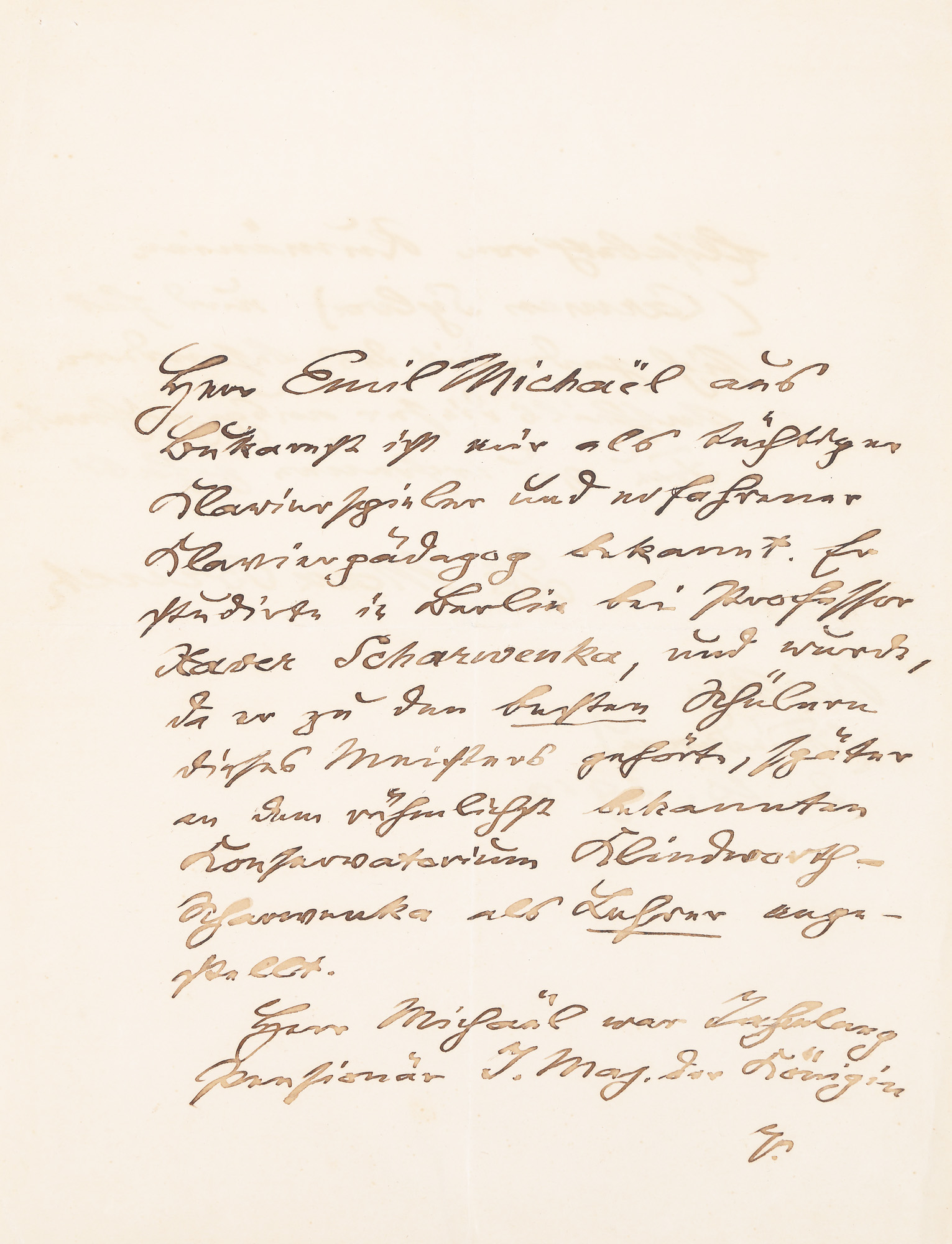
172. Letter sent by German composer Max Bruch to pianist Emil Michael from Bucovina, Berlin, October 8th, 1910, with handwritten signature
Starting price
EUR 50
Sold
EUR 100
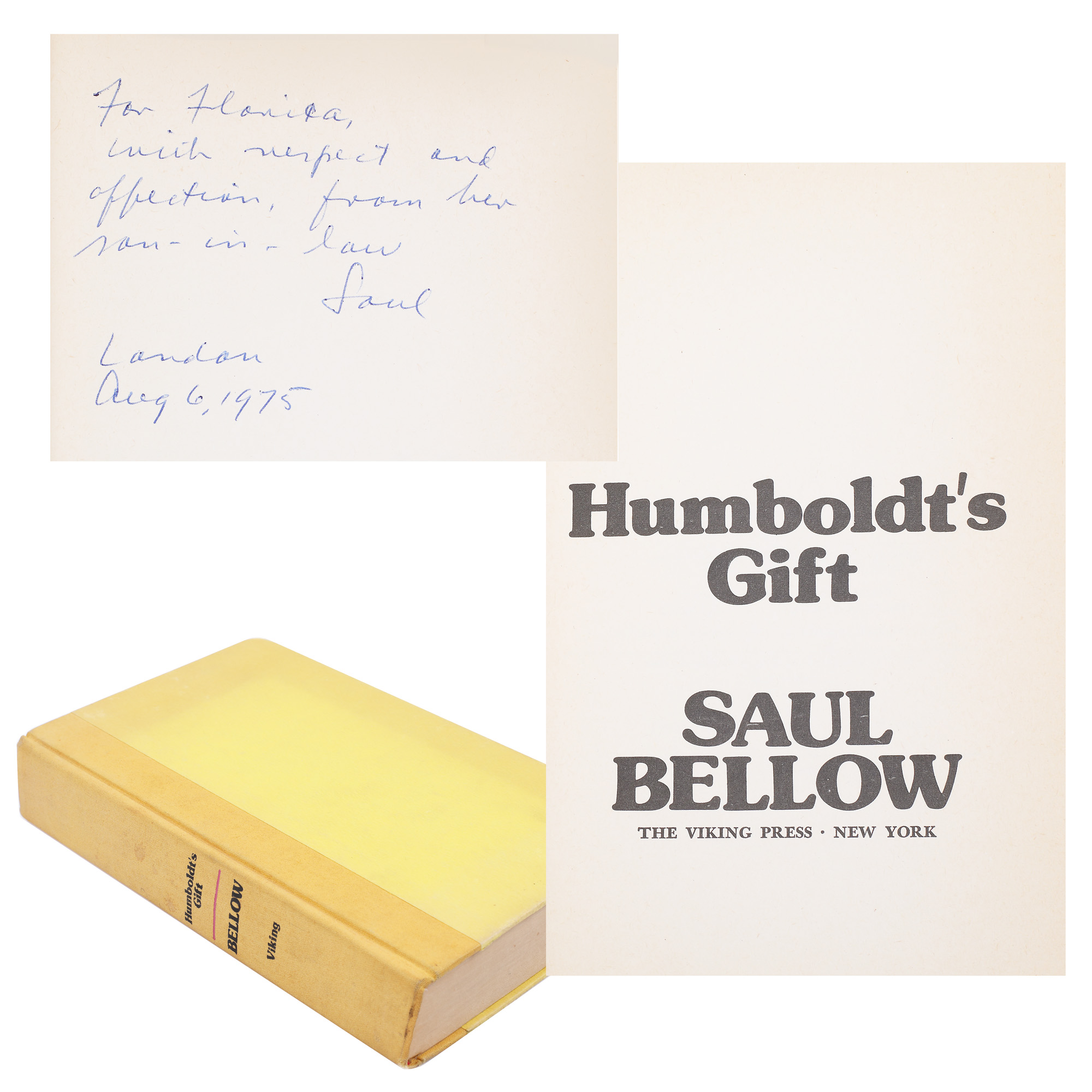
158. "Darul lui Humboldt" ("Humboldt's Gift") by Saul Bellow, the editio princeps of the Pulitzer Prize winning novel, 1975, New York, with the dedication of the author to Florica Bagdasar, the mother of his wife, comes from the collection of writer Vania Gherghinescu
Starting price
EUR 100
Sold
EUR 250