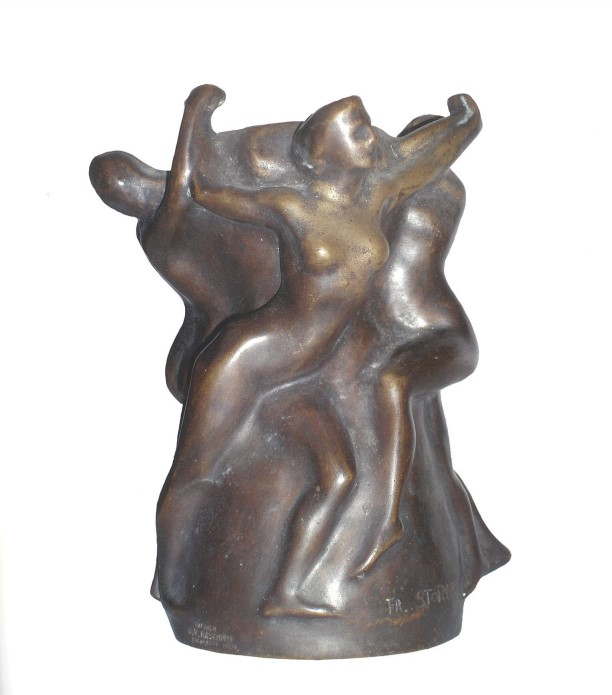

8. Fountain of the Nymphs [1922]

1872, Bucureşti - 1942, Bucureşti

Estimate

EUR 1.500 - 2.500

Sold

EUR 3.250

Session

Thu, 12 December 2024 17:00

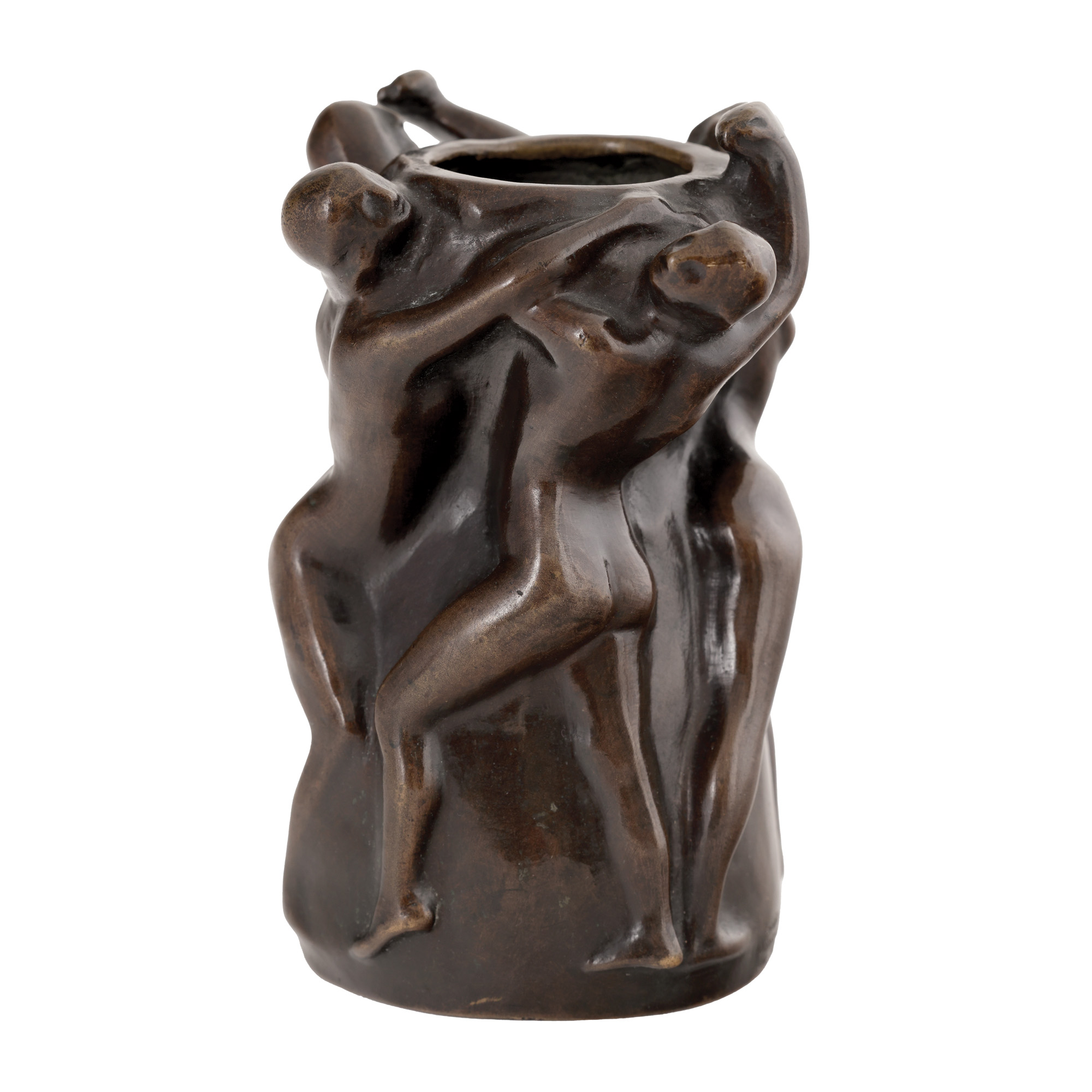
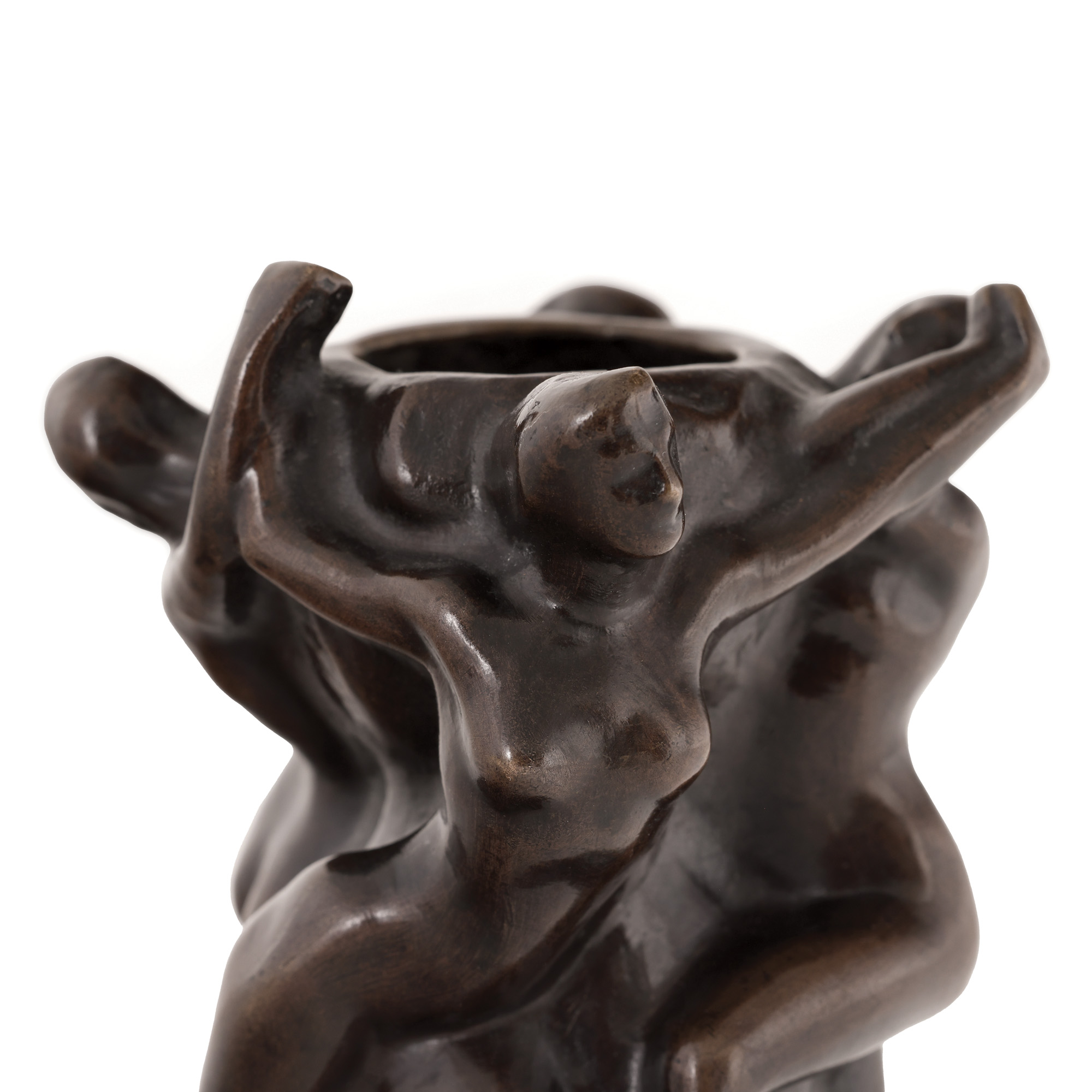
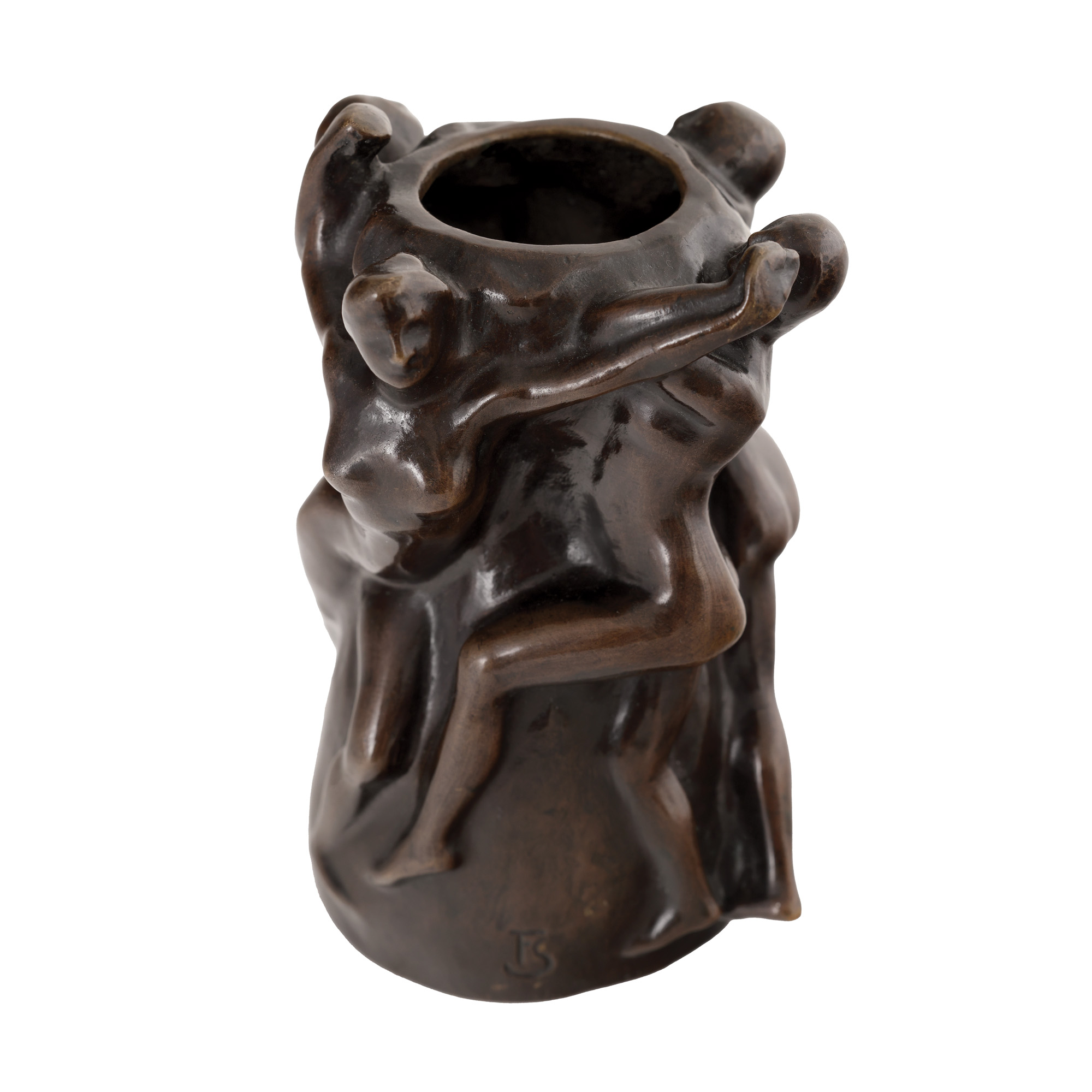
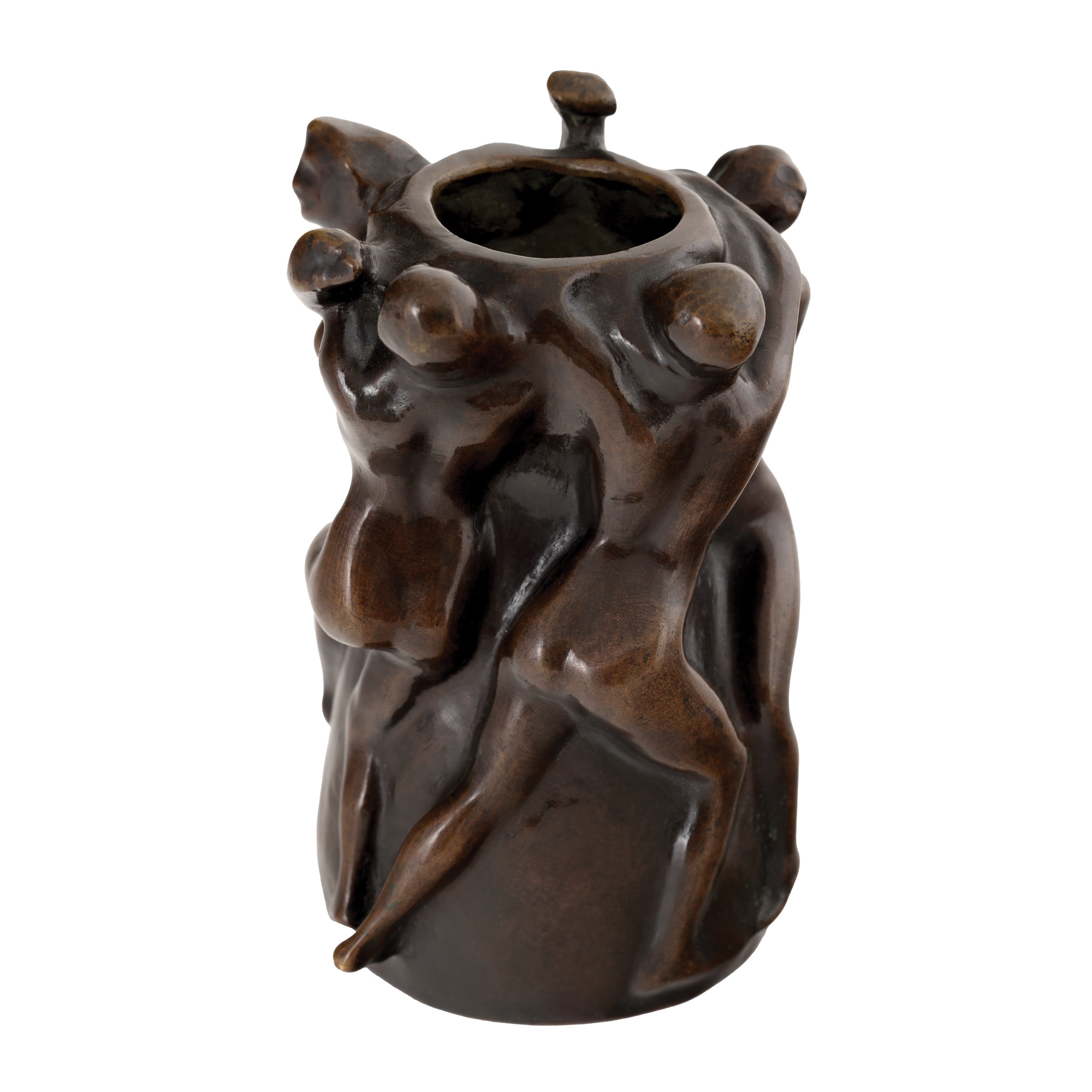
The artist has a distinct understanding of his material, so experimenting in various mediums is not foreign to him. Frederic Storck comes from a family dedicated to art; his father (Karl Storck) and his brother (Carol Storck) were also sculptors. He therefore grows up amongst two renowned artists and embarks on his journey into the world of art mastering the secrets of drawing. He attends the School of Fine Arts in Bucharest, where he is a colleague of Stefan Luchian. His journey to his first study center abroad (in Italy) will take place, "according to medieval tradition", on foot, just like his father had made the trip to Paris a few decades earlier. Initially, his vocation will be split between his passion for plastic arts and modeling, and music. On his journey to Italy, he will spend his days singing arias from "Nibelungen" or arias from "The Flying Dutchman". However, the familial inheritance that caused issues with his vocal cords did not allow him to fully enjoy his musical passion. He later arrives in the Munich academic environment and participates in the Glaspalast exhibition, where he is awarded a prize. In Bavaria, he becomes aware of the importance of anatomical study and working from a live model, therefore a series of sculptures designed to help the artist experiment with detailed reproduction stand out from this period. Interested in the properties of the materials he works with, he cuts the stone or marble himself, thus getting closer to the material. From 1906 he becomes a professor at the School of Fine Arts and has the task of introducing students to the world of drawing and modeling. He takes on a classical approach, which however distances itself from academicism, and dedicates a whole series of small scale works where his focus is on the human subject. A first version from this series was born in 1916 and was suggestively titled "The Dancers". The motif was revisited in both patinated plaster and bronze, a sign that the artist needed experimentation and close interaction with different types of materials used. Therefore, we note an imposing vessel in whose walls reside nymphs, the caryatids of his artistic universe, in a fascinating fairy dance.

References

OPRESCU, Gheorghe, "Fritz Storck", State Publishing House for Literature and Art, Bucharest, 1955.

Dimensions

depth 9 cm, width 10 cm, height 15 cm

Description

bronze, signed on the left side, "F.S."; mentioned on the right side, the foundry, "V.V. Rașcanu Factory Buc. 1922"

Research information

A version of the work is reproduced in "Sculptorii Storck," by Liliana Vârban, Ionel Ioniță, Dan Vasiliu, published by the Museum of the City of Bucharest, Bucharest, 2006, under the name "The Dancers."

Dating

1922

ADDITIONAL INFORMATION

For clarifications regarding the bidding procedure, hammer price costs, guarantee, payment, and collection terms for the winning lot, we recommend carefully reading/re-reading the Bidding Regulations.

For additional information regarding the lot and the auction, please contact the Art Consultants Department.

Similar lots
Interior

169. Interior [1922]

Mişu Teişanu

    Estimate EUR 1.000 - 1.800
    Sold EUR 1.000
Winter's Quiet

138. Winter's Quiet [1985]

Constantin Piliuţă

    Estimate EUR 2.000 - 3.500
    Sold EUR 6.500